Meshy and Formlabs link prompt-to-print 3D models in minutes
Meshy and Formlabs now let users go from text prompt to a printed part in as little as 48 hours, with a single click export into Form Now.
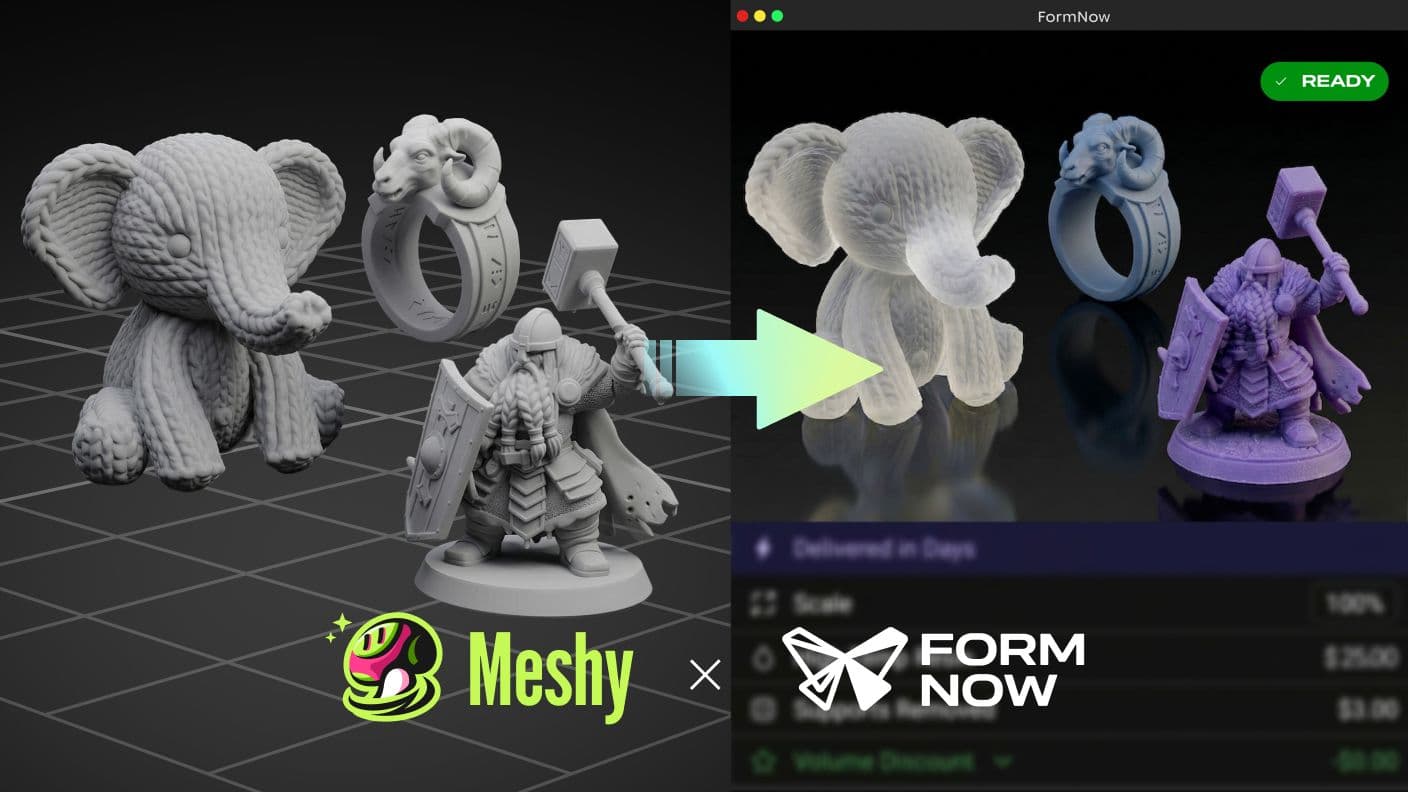
Meshy just turned its text-to-3D pitch into something much closer to a production pipeline. The company’s Formlabs integration, available to all Meshy users since April 8 and announced publicly at RAPID + TCT 2026 in Boston on April 14, lets a user generate a model from a prompt or photo, export it to Form Now with one click, pick a material and color, and order a finished part without leaving the Meshy workflow.
That matters because it removes the messiest part of the hobbyist process. Instead of bouncing between CAD, mesh cleanup, wall-thickness checks, slicer settings and a separate manufacturing service, Meshy says the pipeline now handles optimization automatically. The company says the result is a print-ready model in seconds, and that the full prompt-to-order path can take under five minutes. For character work, figurines and the kind of quick concept parts that dominate maker desks, that is a real shortcut.
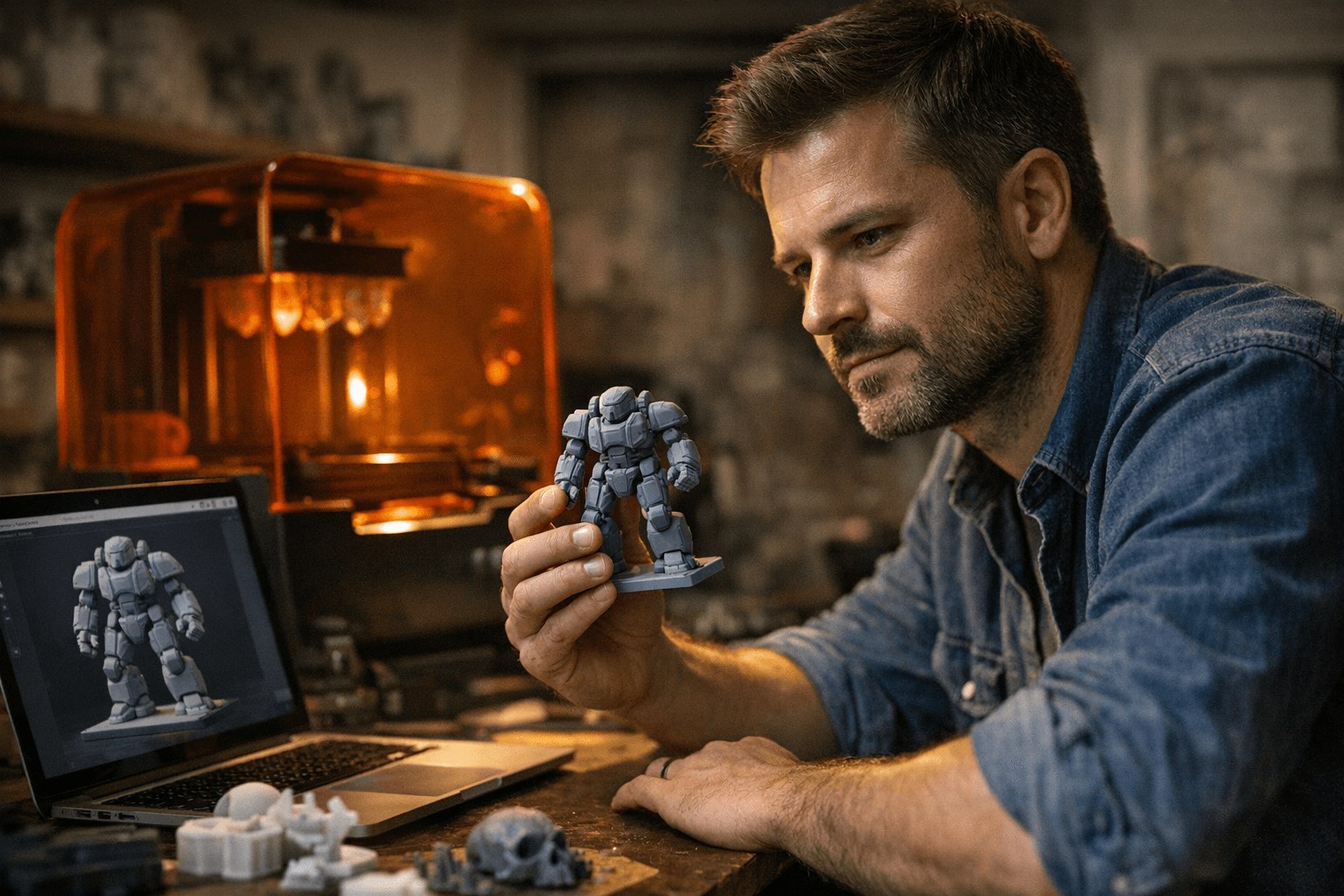
Formlabs is positioning Form Now as a manufacturing-as-a-service platform built for professional, low-cost parts in two days. Parts are produced at Formlabs’ facility in Billerica, Massachusetts, and the service has added seven standard resin colors. Meshy says the integration can deliver a printed part in as little as 48 hours, which puts a hard number on the promise: less waiting, fewer handoffs and no need to own a printer to get something physical in your hand fast.
The workflow shift is bigger than the shipping speed. Meshy has been steering toward this kind of output for a while. Its 2024 workspace redesign grouped tools into model generation, texture generation, remeshing, stylizing and animation, and its documentation says triangle topology is suitable for straightforward applications like 3D printing. That makes the Formlabs link feel less like a bolt-on and more like the next step in a pipeline that already assumes some models are meant to become objects, not just renders.
Still, the limits are easy to spot. Meshy’s own emphasis on character and figurine models suggests the sweet spot is decorative and concept-driven parts, not tight tolerance mechanical assemblies. The promise is also only as strong as the printability of the auto-generated mesh, the material choice and the user’s tolerance for a managed manufacturing path instead of full control. And like any AI-to-object workflow, the bigger questions hang around ownership, provenance and what happens when a prompt produces something that looks usable but is not truly ready for a functional build.
Even so, this is the clearest sign yet that generative AI is moving past image-making and into actual fabrication. For makers who want to get from idea to a finished object before the weekend is over, Meshy and Formlabs have cut a lot of the usual friction out of the path.
This article was produced by Prism’s automated news system from verified source data, official records, and press releases, then run through automated quality and moderation checks before publishing. The system is built and supervised by the people who set the standards it runs under. Read our full AI policy.
Did this article answer your question?