Modi and Luxon spotlight 3D-printed sports gear in Auckland showcase
Modi and Luxon examined 3D-printed athletic gear and bike frames in Auckland, a showcase built around industrial methods most home printers cannot copy.
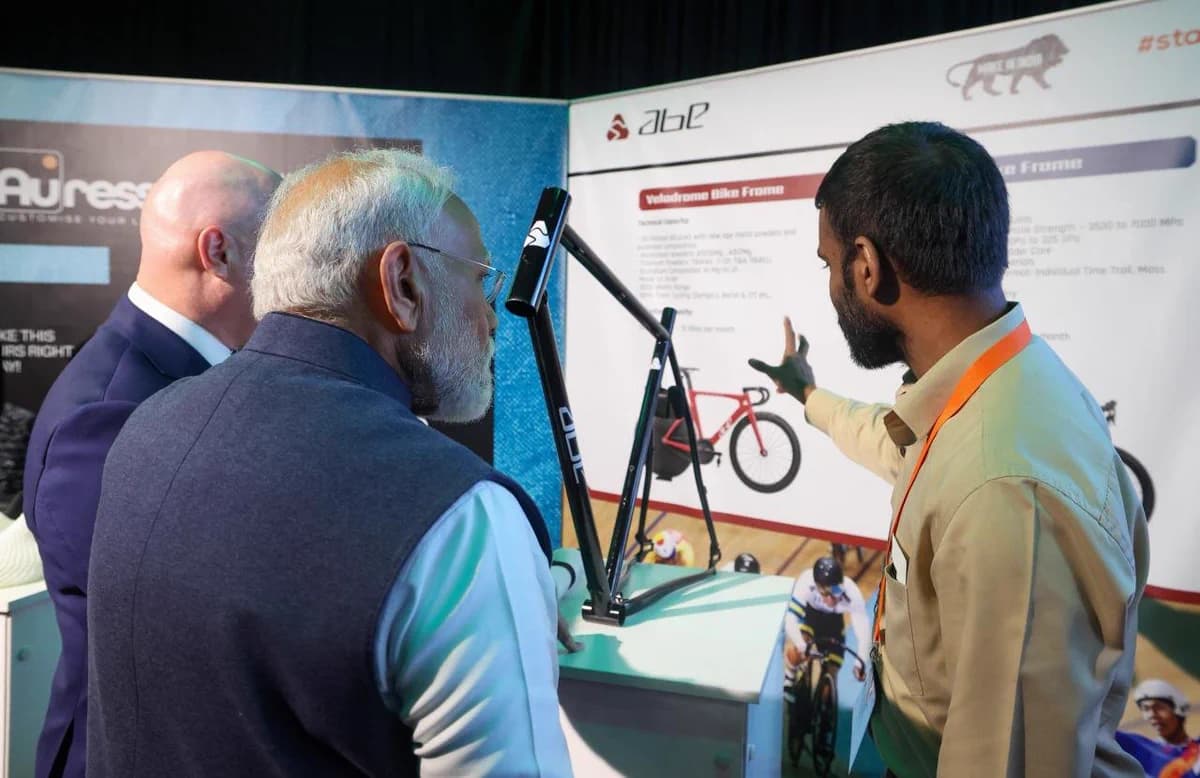
Narendra Modi and Christopher Luxon examined 3D-printed athletic equipment and bike frames at a sporting showcase in Auckland on Saturday, July 11, putting industrial-grade additive manufacturing into the middle of a high-level visit. The display sat squarely at the intersection of sport and technology, with parts that looked built for performance rather than the desktop printer on a hobby bench.
The Bharatiya Janata Party called it a “special Sporting Showcase” in Auckland, and MyGov India said the event was meant to show how technology, creativity and collaboration can deepen sporting ties between India and New Zealand. One MyGov India post described the occasion as celebrating “100 years of vibrant sports ties,” while High Performance Sport New Zealand said high-performance sport featured prominently in Modi’s visit.
The Hindu described Modi touring a New Zealand sports innovation showcase, adding another layer to a visit that was not just ceremonial but centered on performance engineering. The broader diplomatic backdrop also mattered: The Tribune said Modi and Luxon used the trip to push their strategic partnership and set a goal of doubling bilateral trade by 2030.
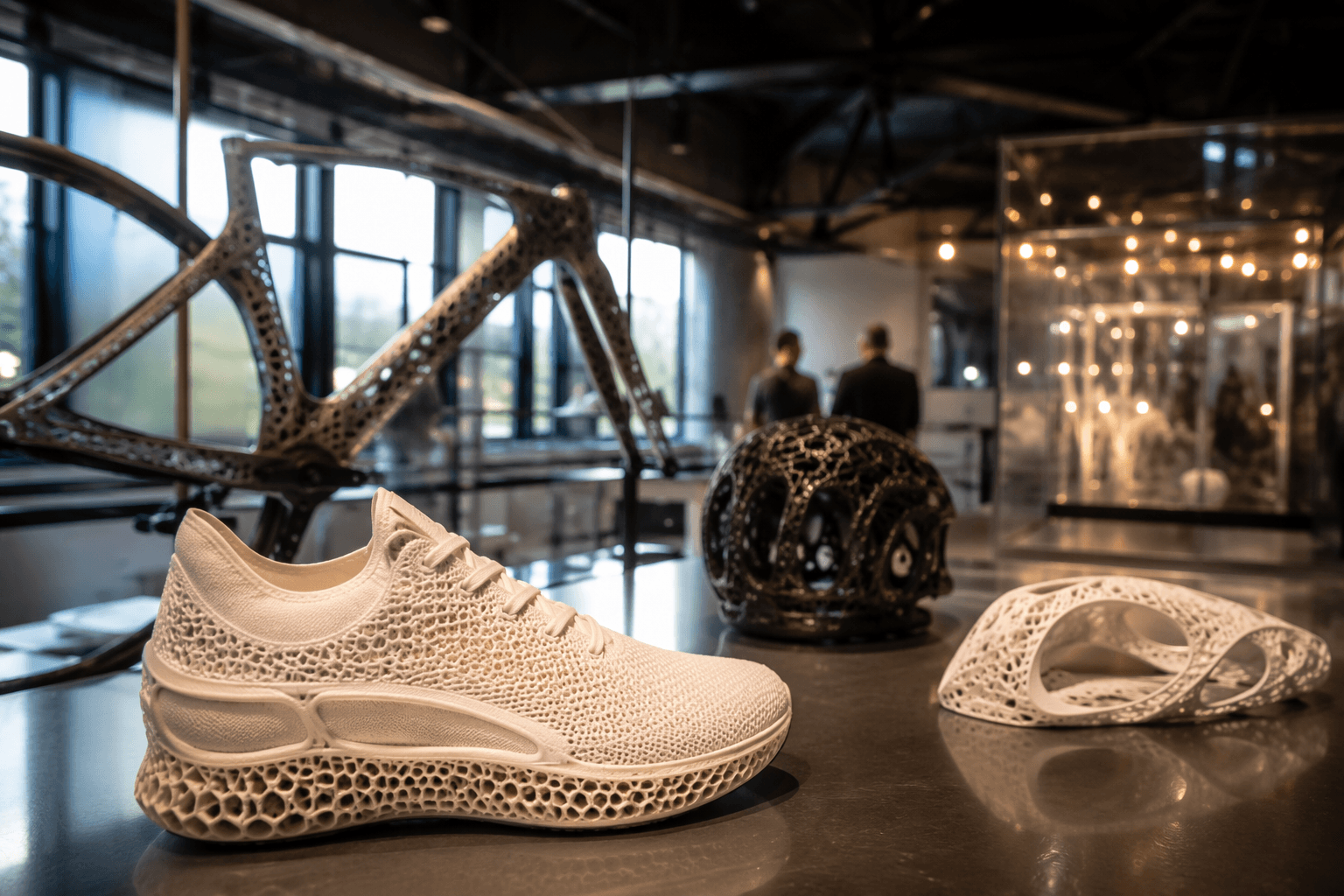
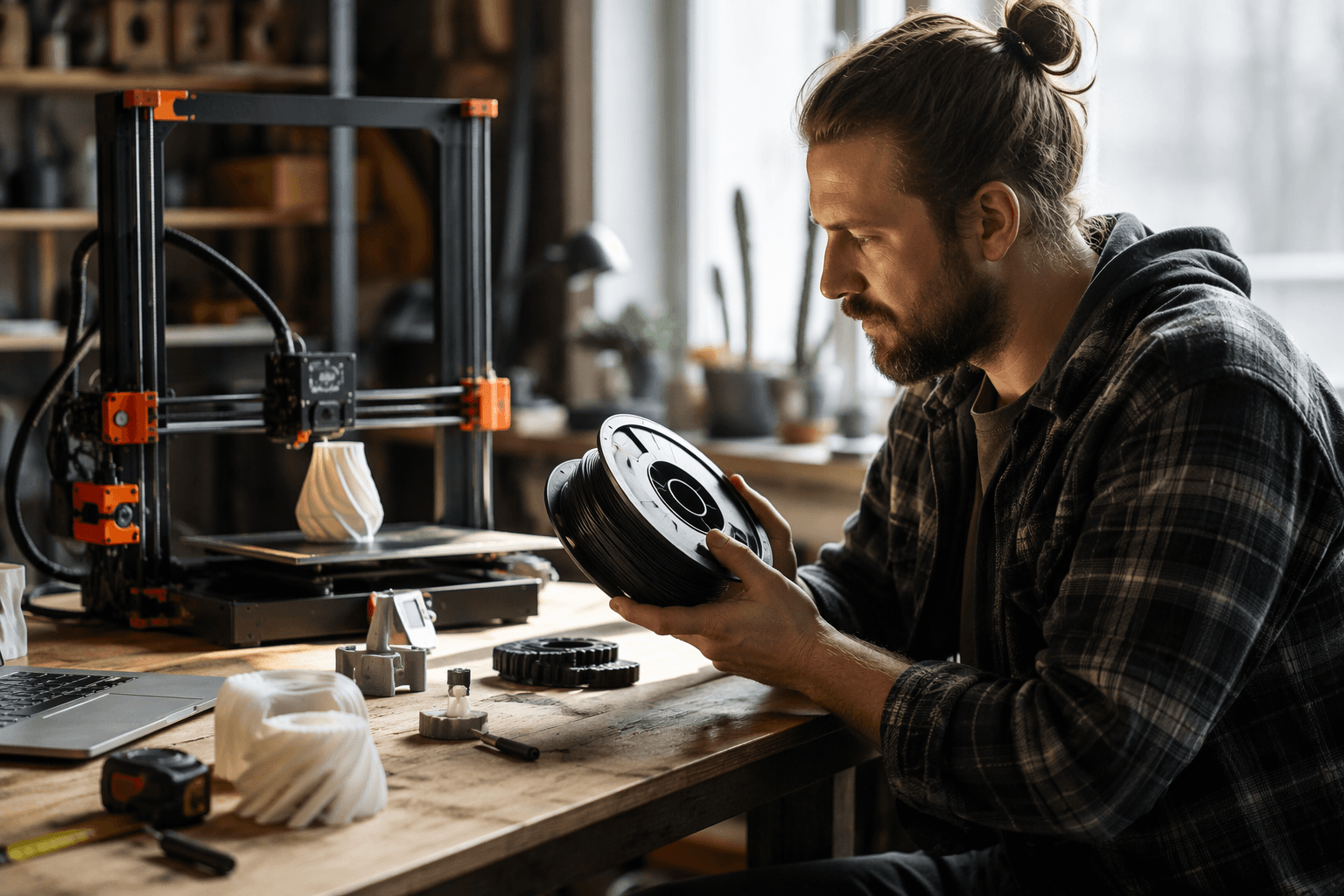
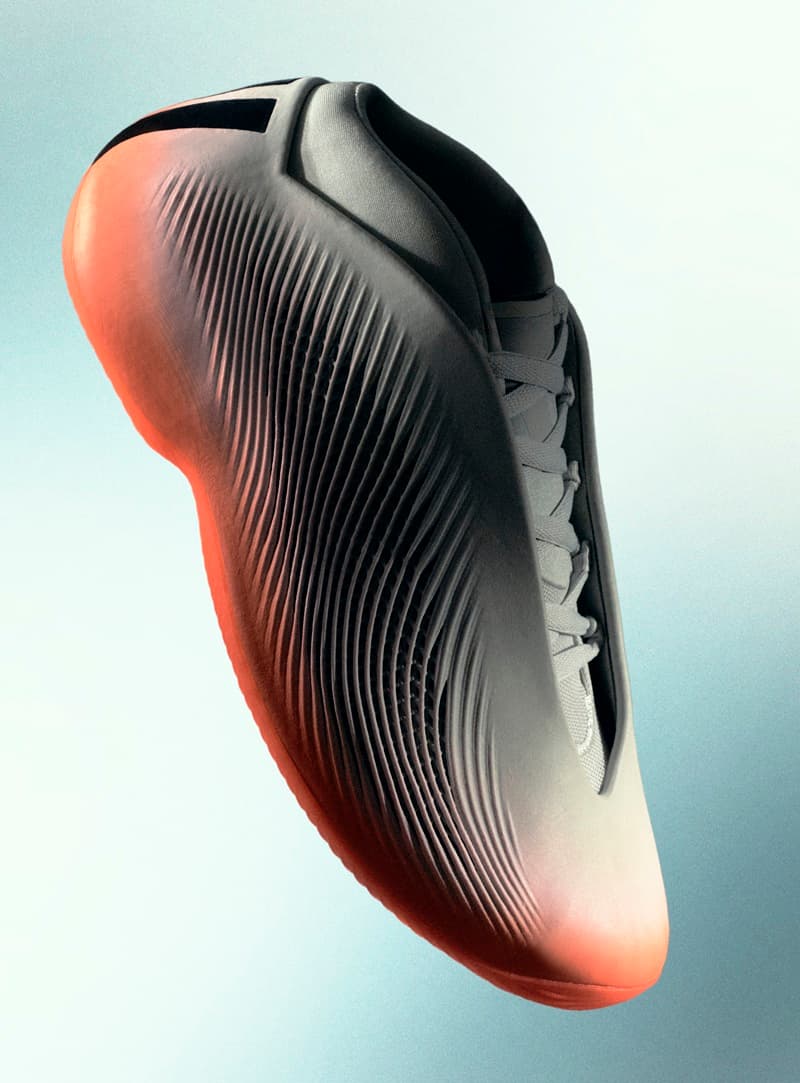
For 3D printing makers, the practical read is different from the photo-op gloss. 3D-printed bike frames and athletic hardware at this level usually point to industrial workflows, not the sort of one-off parts you can casually turn out at home. What matters at the bench is the design language hiding underneath, especially how lattice structures, lightweighting and load paths get used to chase performance without adding mass.
That makes the Auckland showcase useful even for printers that will never spit out a race-ready frame. The real takeaways live in the ideas behind the parts: how fit prototyping can shorten bike development cycles, how lattice design changes stiffness and weight, and how material choice shapes whether a print belongs on a test rig, a training setup or a finished machine. The showcase made that divide visible, with the politics out front and the manufacturing lesson underneath.
This article was produced by Prism’s automated news system from verified source data, official records, and press releases, then run through automated quality and moderation checks before publishing. The system is built and supervised by the people who set the standards it runs under. Read our full AI policy.
Did this article answer your question?