MTC and ASTM UK join £38m Airbus-led DECSAM to boost L-PBF accessibility
The MTC and ASTM International UK joined DECSAM, a £38m Airbus-led programme to make laser powder bed fusion more cost-competitive and sustainable, with potential trickle-down benefits for small labs.
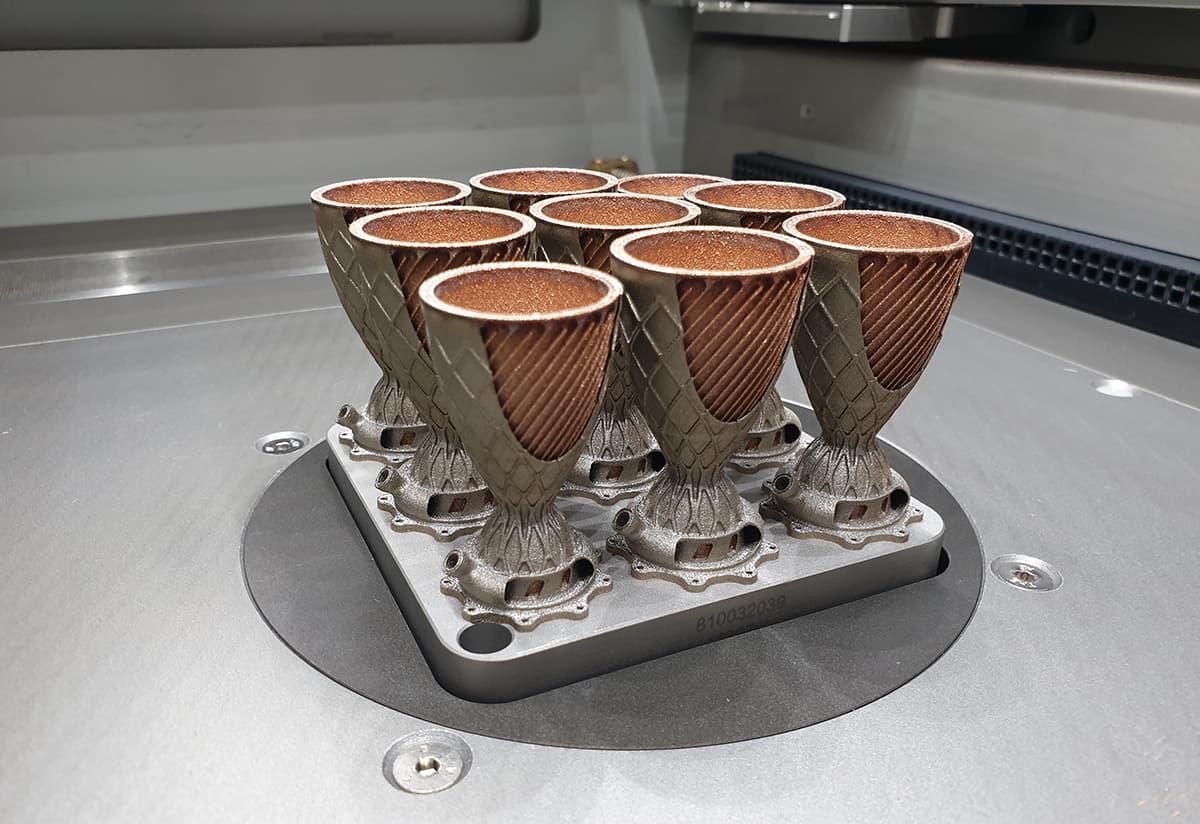
The Manufacturing Technology Centre and ASTM International UK joined DECSAM, a £38 million Airbus-led programme aimed at making laser powder bed fusion (L-PBF / PBF-LB) more cost-competitive and sustainable for flight-ready aerospace parts. The move strengthens the consortium’s push on productivity, materials qualification, and factory-scale digital threads that could reshape supply chains and tooling for small contract bureaus, education labs, and advanced maker spaces.
DECSAM is a four-year UK-led consortium running through June 2028, funded by Innovate UK, the Aerospace Technology Institute and the Department for Business & Trade. The programme focuses on four technical pillars: beam shaping and advanced scan strategies to boost throughput and part quality, in-situ monitoring with closed-loop control to improve repeatability, broader powder and qualification routes including recycled and repurposed powders, and validated process and parameter sets designed to cut post-processing and speed certification. Demonstrator targets include ground and flight demos such as floor beams and heat-exchange subsystems.
Partners are drawn from across industry and academia, with Airbus as programme lead and participants including Renishaw, GKN Aerospace Services, Authentise, Additive Manufacturing Solutions, APEX Additive, Domin, the University of Sheffield, ToffeeX, and others. The addition of the MTC brings applied manufacturing testbeds and scale-up capability, while ASTM International UK bolsters standards and qualification pathways that underpin certified aerospace manufacturing.
For the desktop and hobby 3D printing community, the practical value is indirect but real. Improvements in process repeatability and validated process windows make it more likely that suppliers will publish reliable, certified parameter sets and material data sheets. Wider routes to qualified powders, including work on recycled and repurposed feedstock, could reduce single-source pressure and lower material costs over time. Factory-scale digital thread work promises better traceability and data standards that education programs and small shops can adopt to demonstrate quality and provenance.
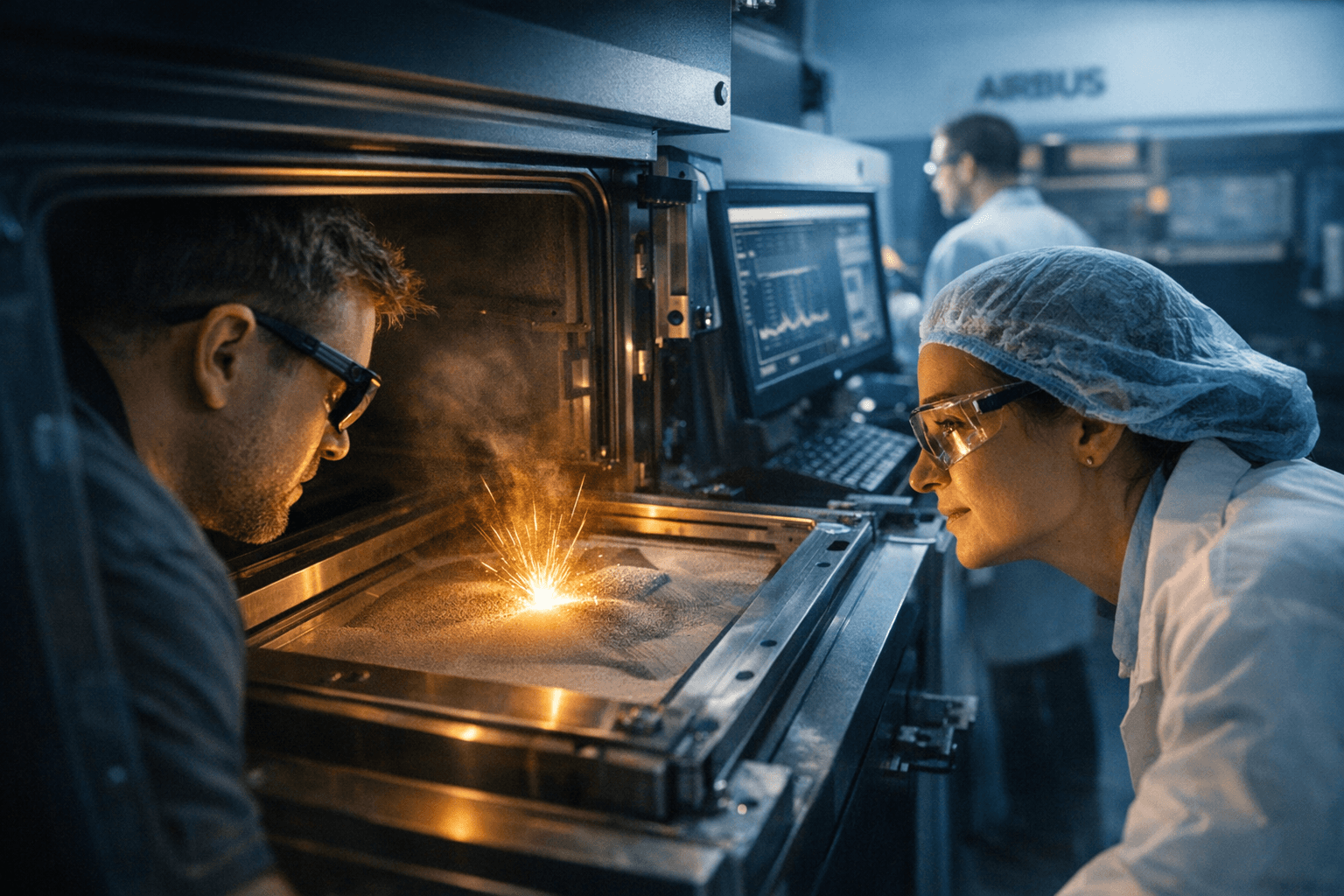
Expect the earliest tangible outcomes to be tooling, validated parameter packages, and standards updates that trickle down from aerospace projects to advanced education labs and small service providers. Things that matter to bench operators include clearer qualification routes for powders, reference process windows for common alloys, and documentation that reduces guesswork when scaling parts from prototype to flight-worthiness.
Monitor consortium outputs and standards developments over the coming months and years; DECSAM runs to mid-2028, with demonstrators and standards work likely to arrive in phases. Those who keep an eye on supplier datasheets, published process windows, and ASTM updates will be best placed to apply aerospace-grade lessons to the desktop shop.
This article was produced by Prism’s automated news system from verified source data, official records, and press releases, then run through automated quality and moderation checks before publishing. The system is built and supervised by the people who set the standards it runs under. Read our full AI policy.
Did this article answer your question?