Nano Dimension's ATARU Black Enables Rapid Tooling for Low-Volume Injection Molding
Nano Dimension’s ATARU Black resin endured more than 150 reinforced-PP injections and produced dozens of ABS and POM parts in SKZ trials, offering a viable route for rapid additive tooling.
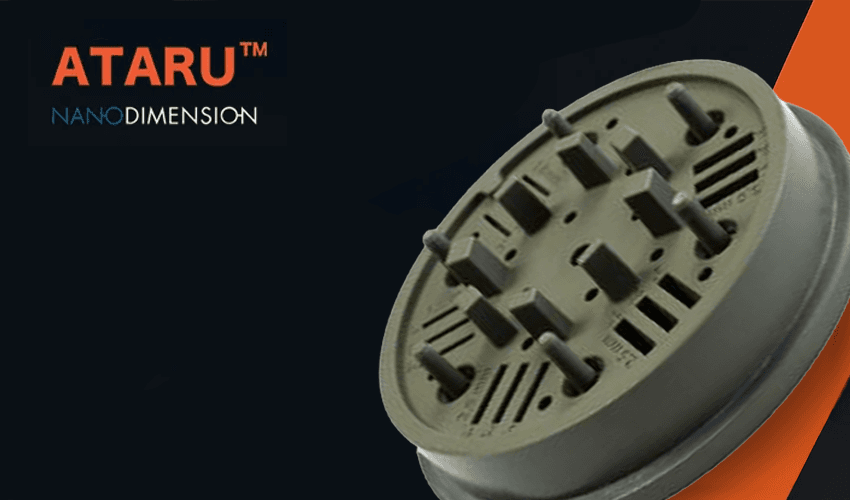
Nano Dimension’s ATARU Black resin demonstrated unexpected durability in independent tooling trials, pushing 3D-printed molds closer to practical low-volume injection molding. The German Plastics Center SKZ used industrial DLP printing to fabricate a Stonehenge benchmark mold and evaluated print accuracy, thermal stability and wear under repeated injections of common thermoplastics.
SKZ reported that ATARU Black molds produced more than 100 parts from ABS and more than 50 parts from POM without visible damage. The highest endurance was with glass-fiber reinforced polypropylene (PPGF30), where molds survived over 150 injections before issues appeared. Those numbers place ATARU Black well ahead of many conventional 3D-printable resins, which typically show rapid thermal softening or wear in injection cycles.
Key material properties explain the performance. ATARU Black has a glass transition temperature higher than 300°C, giving strong resistance to the heat of molten thermoplastics. The resin’s Young’s modulus is around 5.7 GPa while retaining usable elongation, which balances stiffness and toughness in a way that helps printed cavity features resist deformation and wear. SKZ accompanied mechanical testing with thermal imaging and a set of detailed process parameters that document how the molds were printed, post-cured and mounted for injections.
For makers, small manufacturers and contract manufacturers who use additive tooling, those specifics matter. Industrial DLP systems with defined exposure and post-cure recipes give printed molds dimensional stability and surface finish necessary to run dozens to a few hundred parts without immediate tool replacement. That can shave lead time and cost when tooling up for product validation, pilot runs or short production batches that would otherwise require milled aluminum or steel molds.
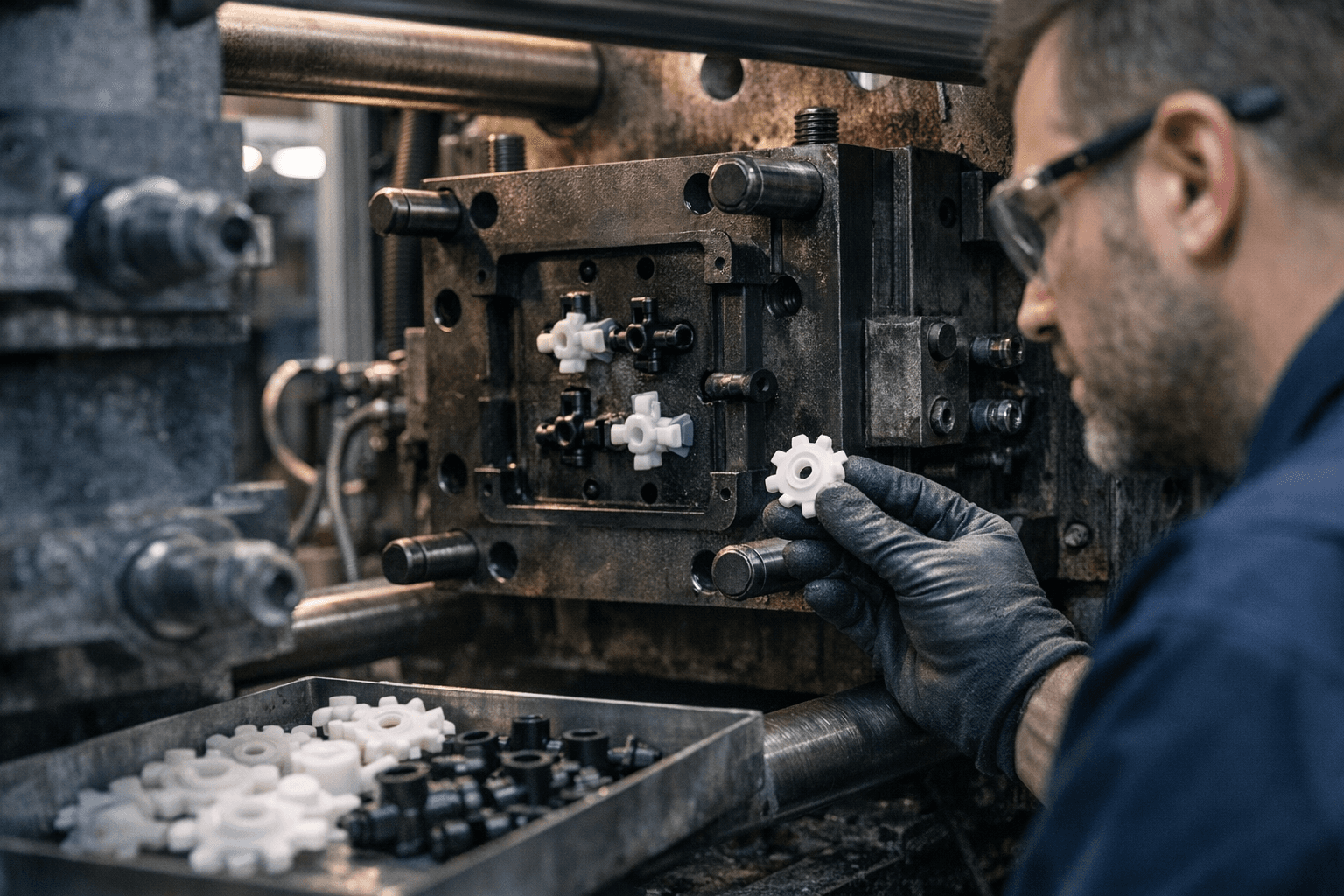
The report does not claim ATARU Black will replace metal tooling for high-volume manufacturing. Steel and hardened aluminum still outperform polymer tooling for cycle counts in the thousands and for parts requiring high clamping forces. However, ATARU Black narrows the gap for runs in the dozens to low hundreds and makes a practical tradeoff between speed, cost and durability for many desktop-to-industrial workflows.
If you plan to try ATARU Black, check the SKZ process parameters and thermal-imaging results to match your DLP machine and injection conditions. Expect to iterate on print orientation, wall thickness and post-cure to maximize life. Wider adoption will depend on more independent validations across varied geometries and injection presses, but for now ATARU Black gives a tangible path from prototype to low-volume production without committing to metal tooling.
Know something we missed? Have a correction or additional information?
Submit a Tip