Nanoscribe Reaches 400 Sales, Industrial Demand Drives Adoption
Nanoscribe marked a major milestone when it sold its 400th system on December 24, 2025, underscoring rising industrial demand for high resolution additive manufacturing. The company said Quantum X and Photonic Professional systems are increasingly used in optics manufacturing and photonics packaging, signaling a shift from lab research to production workflows.
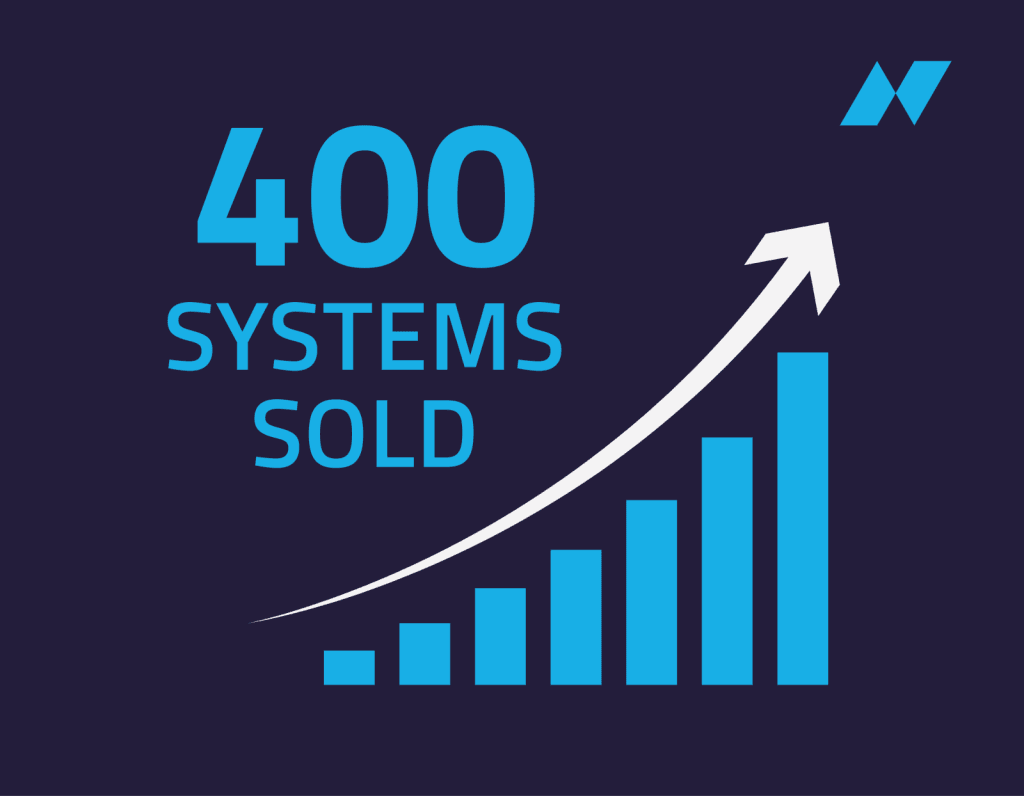
Nanoscribe reached a milestone sale of its 400th system on December 24, 2025, a clear sign that ultra fine resolution additive manufacturing is moving beyond academic labs into industrial supply chains. The German firm that pioneered two photon polymerization, known as 2PP, cited growing deliveries to companies working in optics manufacturing and photonics packaging as central to the uptick in sales during 2025.
The sale highlights two product lines that industrial buyers are taking into production. The Quantum X and Photonic Professional systems deliver submicron feature control that matters for lenses, waveguides, and packaging components where precision and surface quality determine optical performance. As these applications transition from research to production, designers and production engineers will encounter new options for prototyping and short run manufacture that were previously confined to university clean rooms.
For the 3D printing community that follows the trickle down of manufacturing technologies, the practical value is threefold. First, service bureaus and contract manufacturers will expand offerings for microfabrication, making 2PP produced components available without large capital investment. Second, design considerations for optics and photonic devices will increasingly factor in additive possibilities such as integrated alignment features and complex freeform surfaces that were impractical with subtractive methods. Third, supply chain managers should revisit sourcing and qualification plans, since the availability of production capable 2PP systems alters lead times and opens local options for critical components.

This momentum comes alongside broader regional investments and community level activity that point to a fuller ecosystem. Investments in applied technology facilities are enabling wider access to advanced printers, student projects using desktop 3D printers continue to multiply in classrooms, and outreach programs are linking makerspaces with local industry. Those developments matter for educators, small shops, and makers who need practical paths into advanced microfabrication skills and workflows.
If you are evaluating options, check local service providers for 2PP capability, update part specifications to leverage micro additive geometry where it improves function, and consider collaboration with nearby applied tech centers that are expanding access. The 400th sale is not just a number. It signals that high resolution 3D printing is gaining industrial traction, and that designers and regional communities now have stronger reasons to plan for micro additive manufacturing in production and education.
This article was produced by Prism’s automated news system from verified source data, official records, and press releases, then run through automated quality and moderation checks before publishing. The system is built and supervised by the people who set the standards it runs under. Read our full AI policy.
Did this article answer your question?