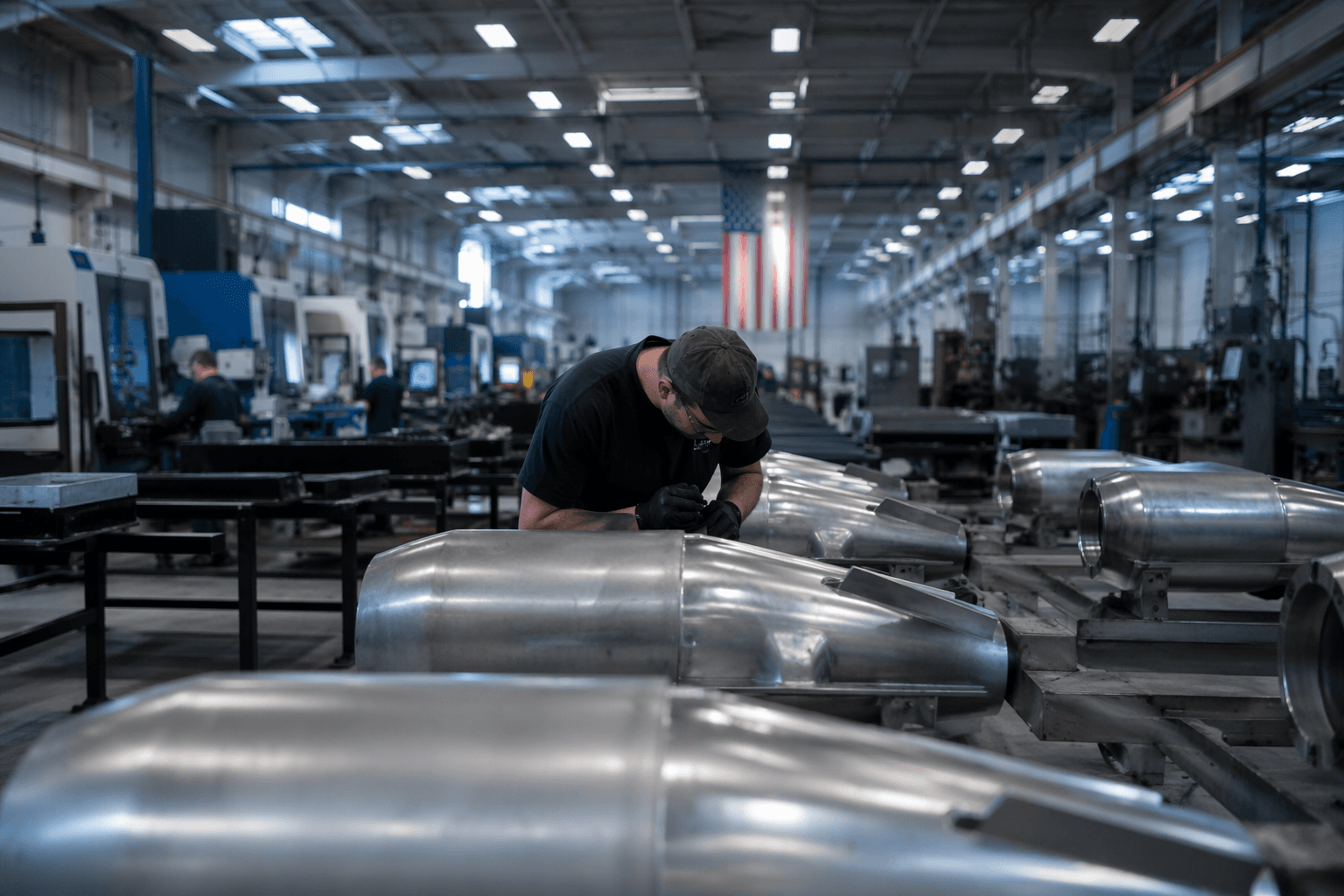
Netherlands Naval Sector Tests Large-Scale Polymer 3D Printing for Prototype Boat Hulls
Netherlands naval sector tests large-scale polymer 3D printing to produce a prototype boat hull and components, enabling rapid design iteration for small surface craft.
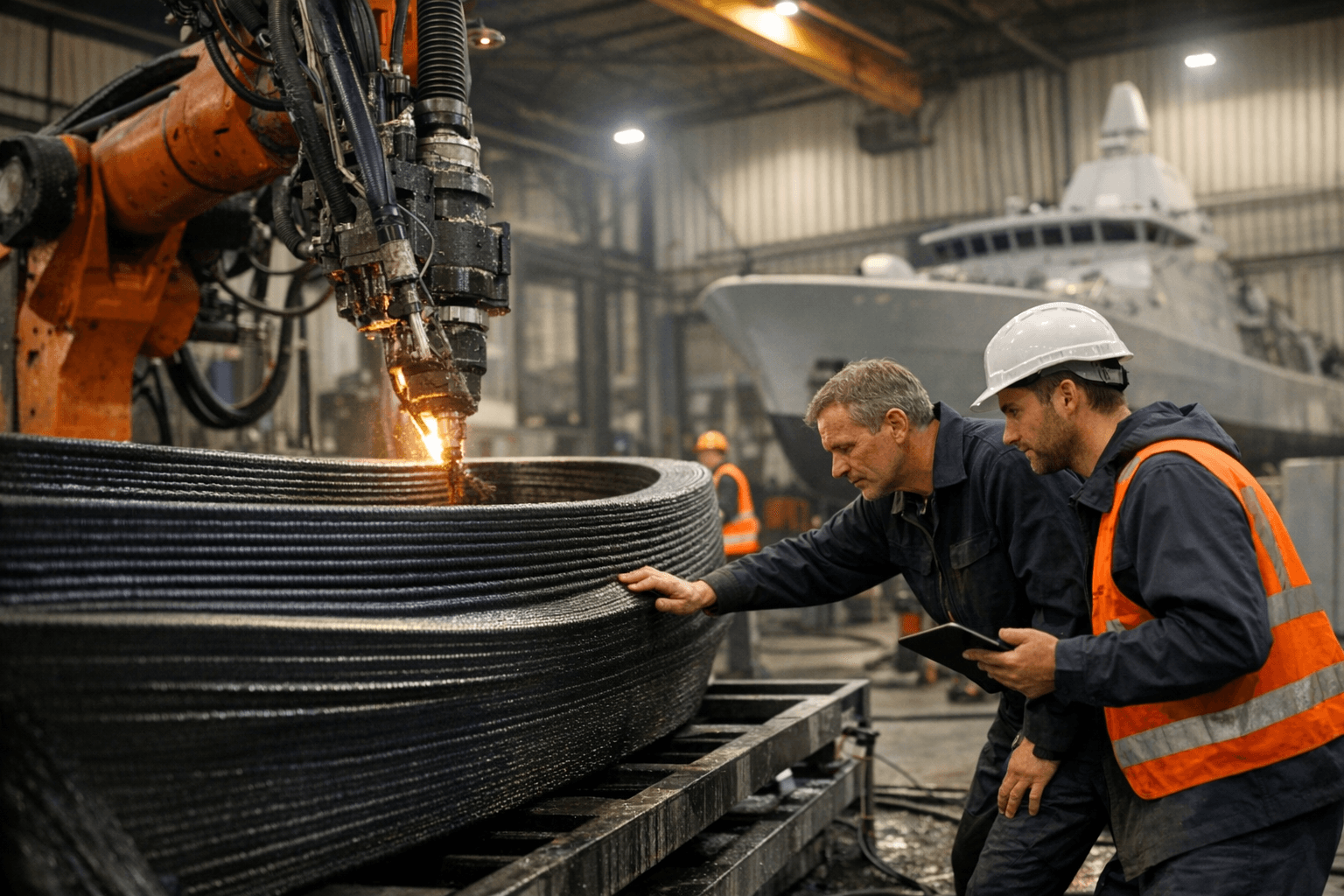
The Netherlands’ naval sector is experimenting with large-scale polymer 3D printing to produce a prototype boat hull and a set of components, a pilot project carried out on February 24, 2026 that uses additive manufacturing to speed design iteration for small surface craft. The trial focused on fabricating a single prototype hull and related parts with polymer extrusion and other polymer-based processes rather than traditional metalworking or fiberglass layup.
Those involved described the work as a pilot project in which additive manufacturing directly produced structural elements of a small surface craft. The project produced both a full prototype hull and discrete components, demonstrating how polymer 3D printing can move beyond small fixtures and into full-scale parts for naval applications. The emphasis was on large-scale polymer processes suited to the dimensions of small craft hulls rather than component-scale desktop printing.
The practical aim of the experiment was rapid design iteration: engineers could adjust CAD models and move to a new printed hull or replacement component without the lead times associated with cutting molds or machining metal. That capability drove the decision to target small surface craft as the first application within the Netherlands naval sector, where hull geometry and component fit often require multiple physical prototypes before finalizing designs.
The pilot kept the scope focused on polymer materials and prototype workflows. By producing a boat hull and several components in a single trial, the Netherlands naval sector tested not only printability of large polymer structures but also downstream considerations such as assembly and part integration for small surface craft. The trial’s results establish a practical data point for naval engineers considering additive manufacturing for prototyping roles that previously relied on fiberglass or metal fabrication.
This experiment represents a concrete step in applying polymer additive manufacturing to naval prototyping. The pilot project’s production of a prototype boat hull and components on February 24, 2026 provides a baseline for further tests on durability, fit-up, and lifecycle of printed hulls, and it signals ongoing interest in polymer 3D printing within the Netherlands’ defense and shipbuilding community.
This article was produced by Prism’s automated news system from verified source data, official records, and press releases, then run through automated quality and moderation checks before publishing. The system is built and supervised by the people who set the standards it runs under. Read our full AI policy.
Did this article answer your question?