NIT Jamshedpur Opens 3D Printing and Reverse Engineering Lab, Starts Training Cohort
NIT Jamshedpur opened a 3D Printing and Reverse Engineering lab and launched its first training cohort to teach additive manufacturing, CAD/CAM reverse engineering and prototyping.
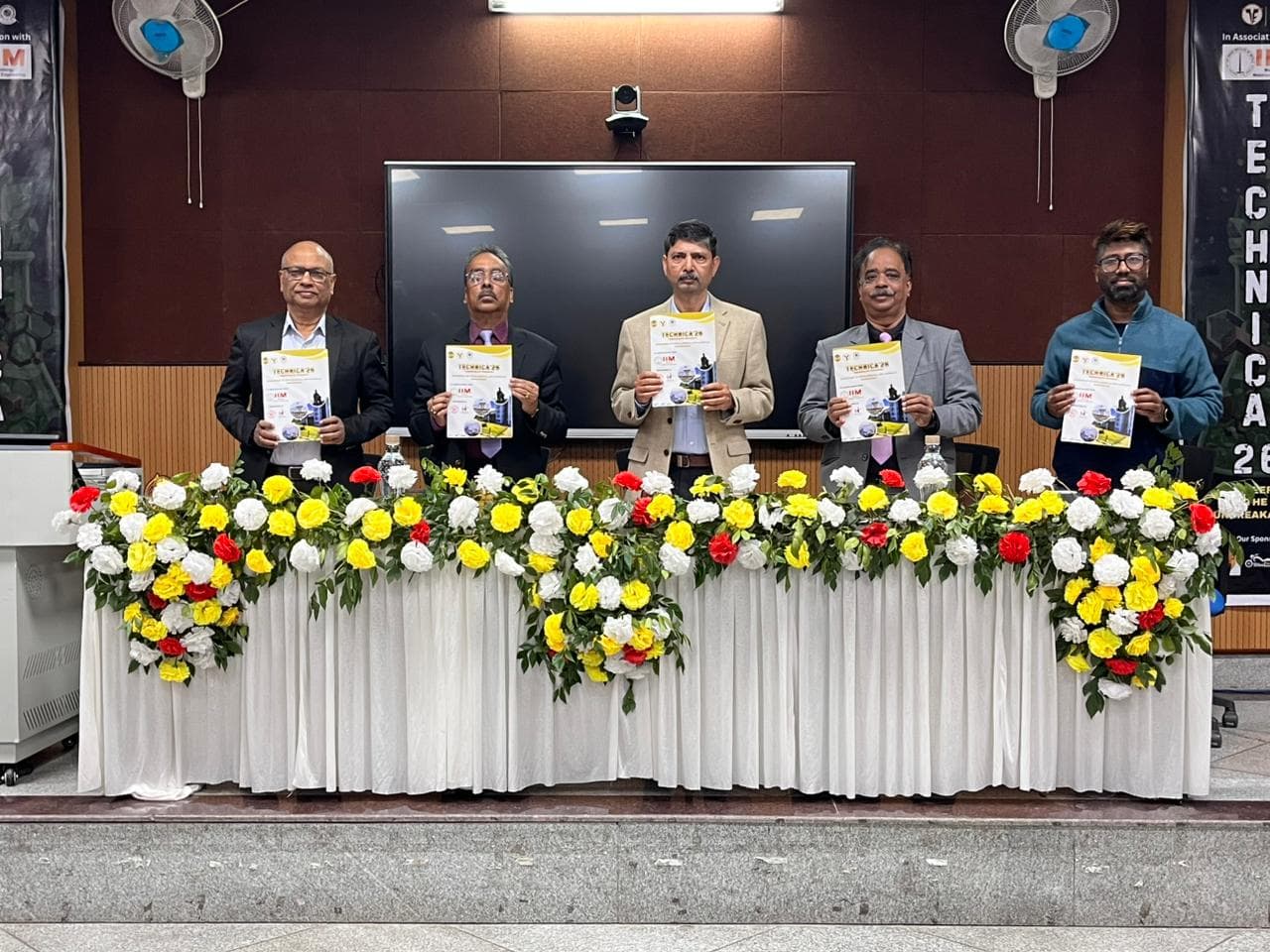
NIT Jamshedpur formally opened a 3D Printing and Reverse Engineering Laboratory on January 16, 2026, and began its first training cohort aimed at students, researchers and faculty. The new facility centers on practical instruction in additive manufacturing, CAD/CAM reverse engineering and end-to-end prototyping workflows, positioning the institute to accelerate digital-to-physical development and strengthen Industry 4.0 skills across campus and the wider region.
The lab gives participants a hands-on environment to move from CAD models to working prototypes, and to apply reverse engineering techniques that recover digital designs from existing parts. For teaching programs, this closes the gap between theory and practice by embedding the full prototyping chain - from geometry capture and CAD refinement to CAM preparation and final build - into coursework and student-led projects. For researchers, the setup shortens iteration cycles for experimental fixtures, proof-of-concept builds and materials trials. For faculty, it offers a platform to supervise multidisciplinary projects that connect mechanical design, materials and product development.
Practical value for local industry and makers is immediate. The facility is intended to support rapid conversion of digital designs to functional prototypes, enabling quicker validation of new parts, bespoke solutions for low-volume needs and faster turnaround for repair components. By teaching reverse engineering workflows alongside additive processes, the lab can help teams recreate legacy parts, validate design changes and feed validated prototypes into development pipelines. This kind of capability reduces dependency on long external supply chains and supports localized manufacturing responses for regional companies and startups.
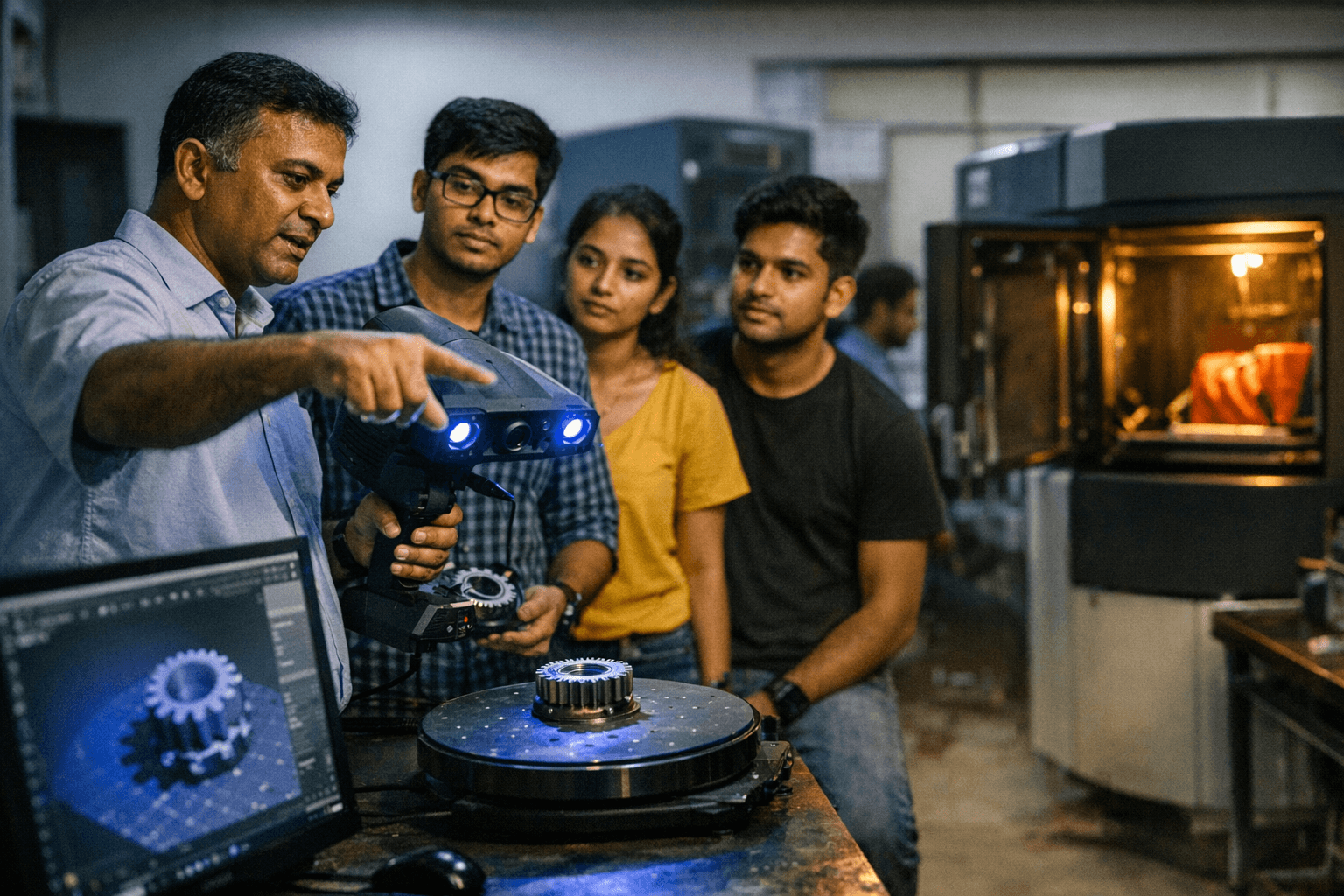
The inaugural training cohort will seed a pipeline of trained personnel who understand the workflow from scan or CAD file to printable geometry and prototype testing. That skill set is central to Industry 4.0 adoption: digital thread awareness, integration of CAD/CAM tools and hands-on knowledge of prototyping constraints. Embedding these skills into curriculum and research projects also opens doors for interdisciplinary collaboration across departments, and for innovation-led projects that respond to industry needs in the region.
What this means for readers is tangible: expect more student projects and prototype showcases coming out of NIT Jamshedpur, and a growing pool of locally trained talent able to support small-scale manufacturing and R&D. The lab’s activities will be worth watching for teams seeking rapid prototyping support, research partners looking to test ideas quickly, and anyone tracking how academic makerspaces are feeding regional Industry 4.0 momentum.
This article was produced by Prism’s automated news system from verified source data, official records, and press releases, then run through automated quality and moderation checks before publishing. The system is built and supervised by the people who set the standards it runs under. Read our full AI policy.
Did this article answer your question?