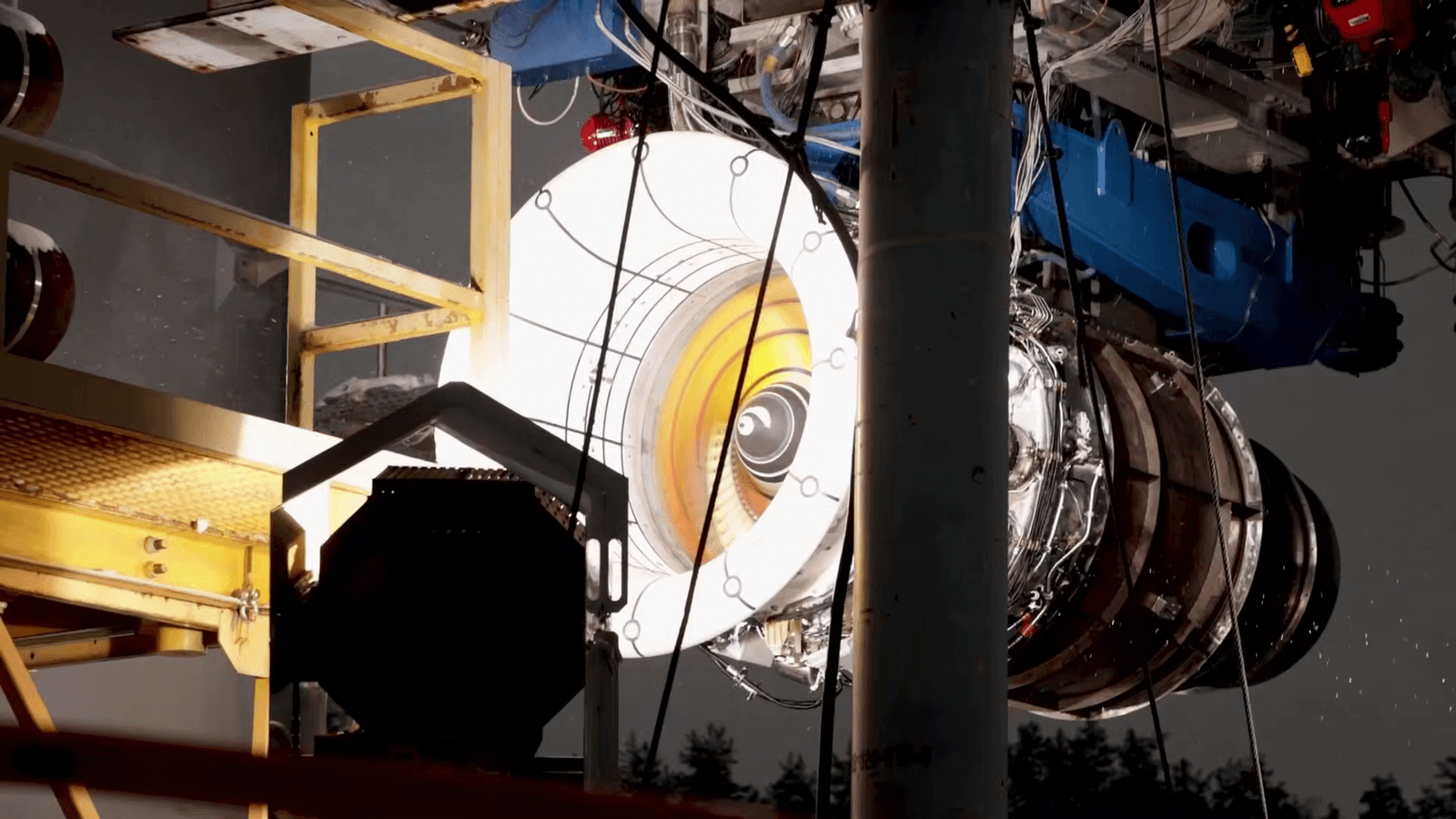
NMIS demonstrates cold spray copper rocket nozzles with cooling channels
Cold spray moved from repair territory to rocket hardware, with NMIS showing copper nozzles and cooling channels built at up to 10 kilograms an hour.
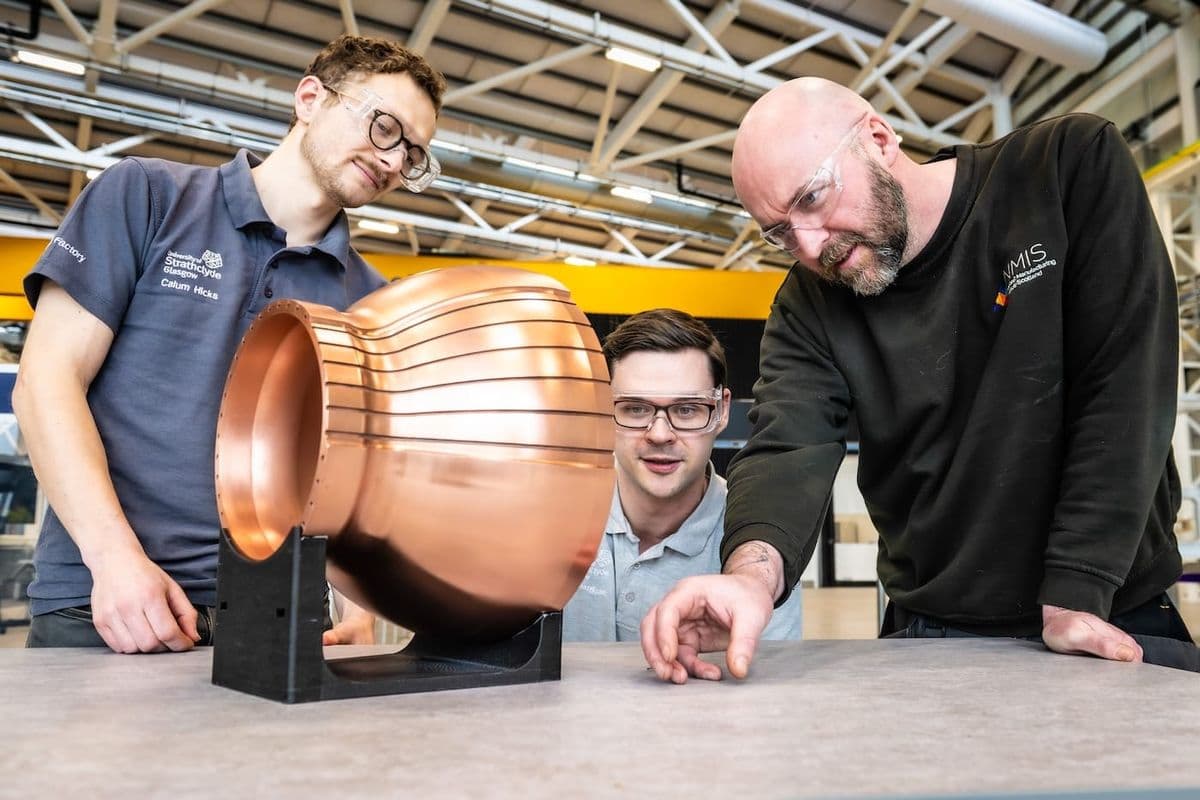
National Manufacturing Institute Scotland pushed cold spray additive manufacturing into a much harder class of part by showing how it could build complex copper rocket nozzles with internal cooling channels that are awkward to make any other way. The demonstrator was less about space drama than process capability: copper deposited in solid state, at high pressure, and at a rate of up to 10 kilograms per hour.
That throughput number is the part to watch. Non-fusion AM processes often run into a wall when production speed, material waste, or part size start to matter, and NMIS put those issues front and center by arguing that cold spray could cut lead times from months to days. For copper hardware, that is a real manufacturing argument, not a lab curiosity. Copper is conductive, corrosion-resistant, and notoriously demanding when geometry gets complicated, especially when a design needs intricate internal passages rather than just a chunky exterior shape.
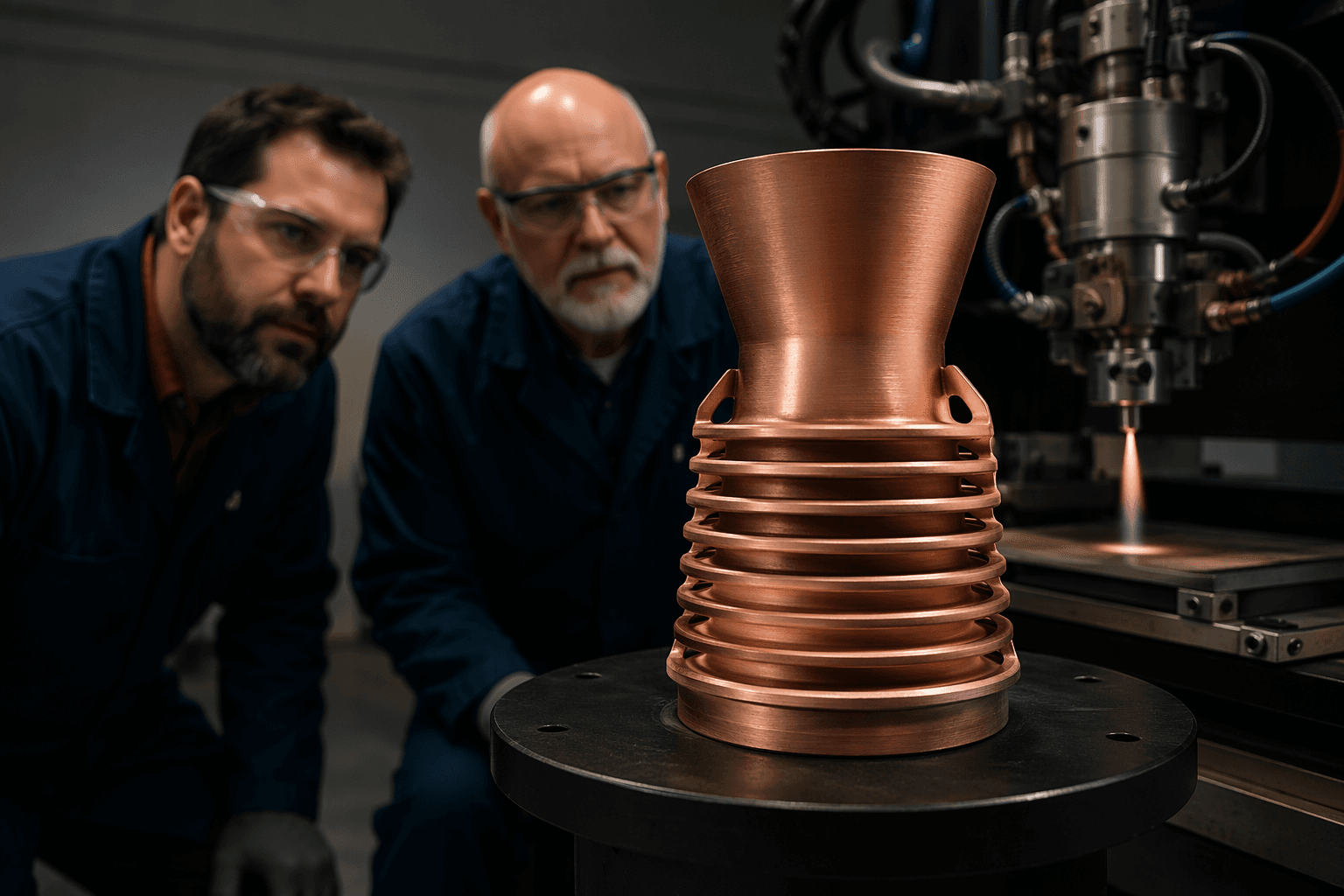
The nozzle demonstrator made that point clearly. Cooling channels are one of the features that separate a showpiece from a usable engine component, because they are exactly the kind of geometry that can be difficult to produce by conventional means. Calum Hicks, NMIS senior technologist, described the project as a milestone in applying advanced manufacturing to complex rocket engine components, while Ryan Devine, a senior research and development engineer at NMIS, stressed the value of moving beyond experimentation and into practical application.
That caution still matters. The part has not yet been validated through full rocket engine testing, so this is not flight qualification and it is not a finished engine program. It is a strong demonstration of what cold spray can do when the brief shifts from making a sample coupon to making a large, functional copper part with real internal complexity. If that path holds, the process could become useful well beyond rockets, supporting repair work, faster prototyping, and more resilient supply chains in aerospace, energy, and shipbuilding.
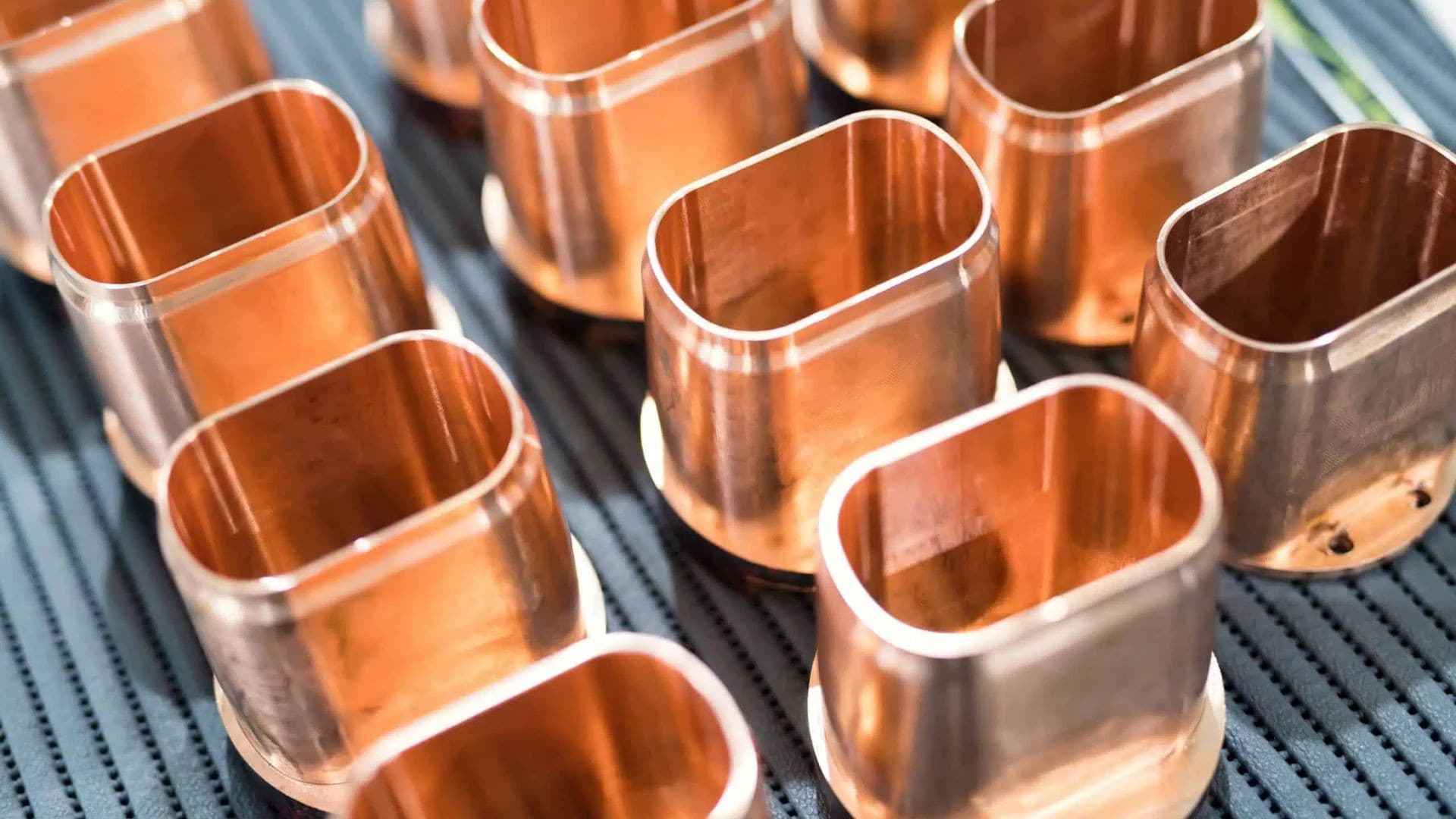
The big takeaway is simple: NMIS showed cold spray as a production method with a practical edge, not just a novelty. By building copper in solid state and keeping the focus on throughput, waste, and internal geometry, it made a convincing case that the real breakthrough is the process itself.
This article was produced by Prism’s automated news system from verified source data, official records, and press releases, then run through automated quality and moderation checks before publishing. The system is built and supervised by the people who set the standards it runs under. Read our full AI policy.
Did this article answer your question?