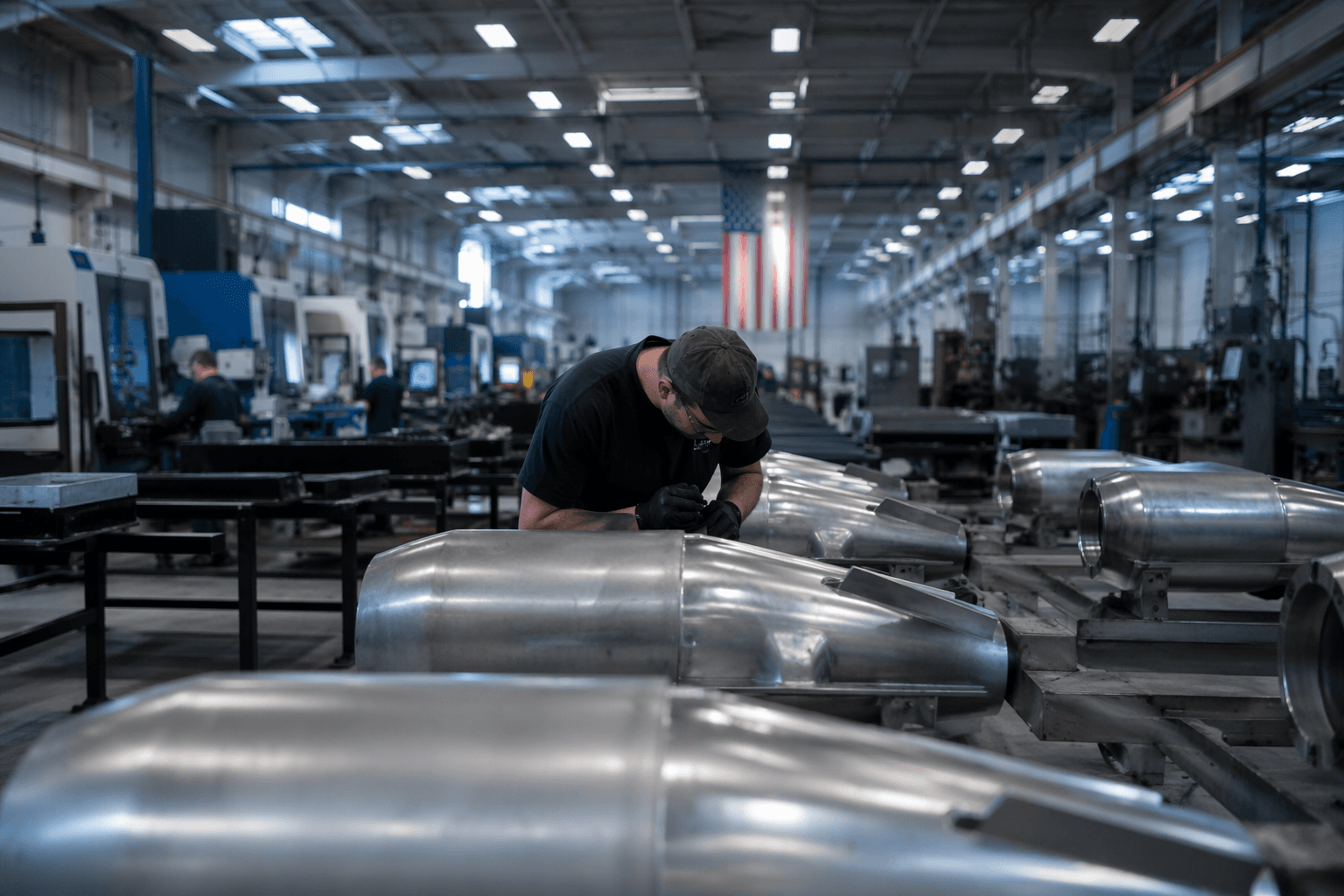
Oil Supply Issues Could Raise 3D Printing Material Prices
Oil-market pressure could hit filament and resin next, with PLA, PETG, ABS, ASA, and specialty resins all exposed through feedstock, freight, and energy costs.

A tighter oil market could show up first on the 3D printing shelf, not the fuel pump. Kerry Stevenson’s April 24 Fabbaloo market watch warned that conflict in the Gulf could ripple into filament and resin prices, with shortages and higher costs flowing through feedstock, shipping, packaging, energy, and inventory risk.
That matters because the maker aisle is tied to petrochemicals in ways many print farms barely notice until a reorder lands. The U.S. Energy Information Administration defines petrochemical feedstocks as refined or partially refined petroleum fractions used to make chemicals, synthetic rubber, and plastics. The U.S. Department of Energy says petrochemicals derived from oil and natural gas make more than 6,000 everyday products and high-tech devices possible, while the American Fuel & Petrochemical Manufacturers says the chain often starts with natural gas liquids and naphtha made from crude oil during refining.
For printers, the practical takeaway is simple: a spool or bottle does not need to be oil-based end to end to feel oil-market pressure. PLA, PETG, ABS, ASA, and specialty resins can all pick up cost from freight, packaging, industrial chemicals, warehouse risk, and energy prices. Even bio-based filament is not fully insulated when the rest of the supply chain gets more expensive or less predictable.
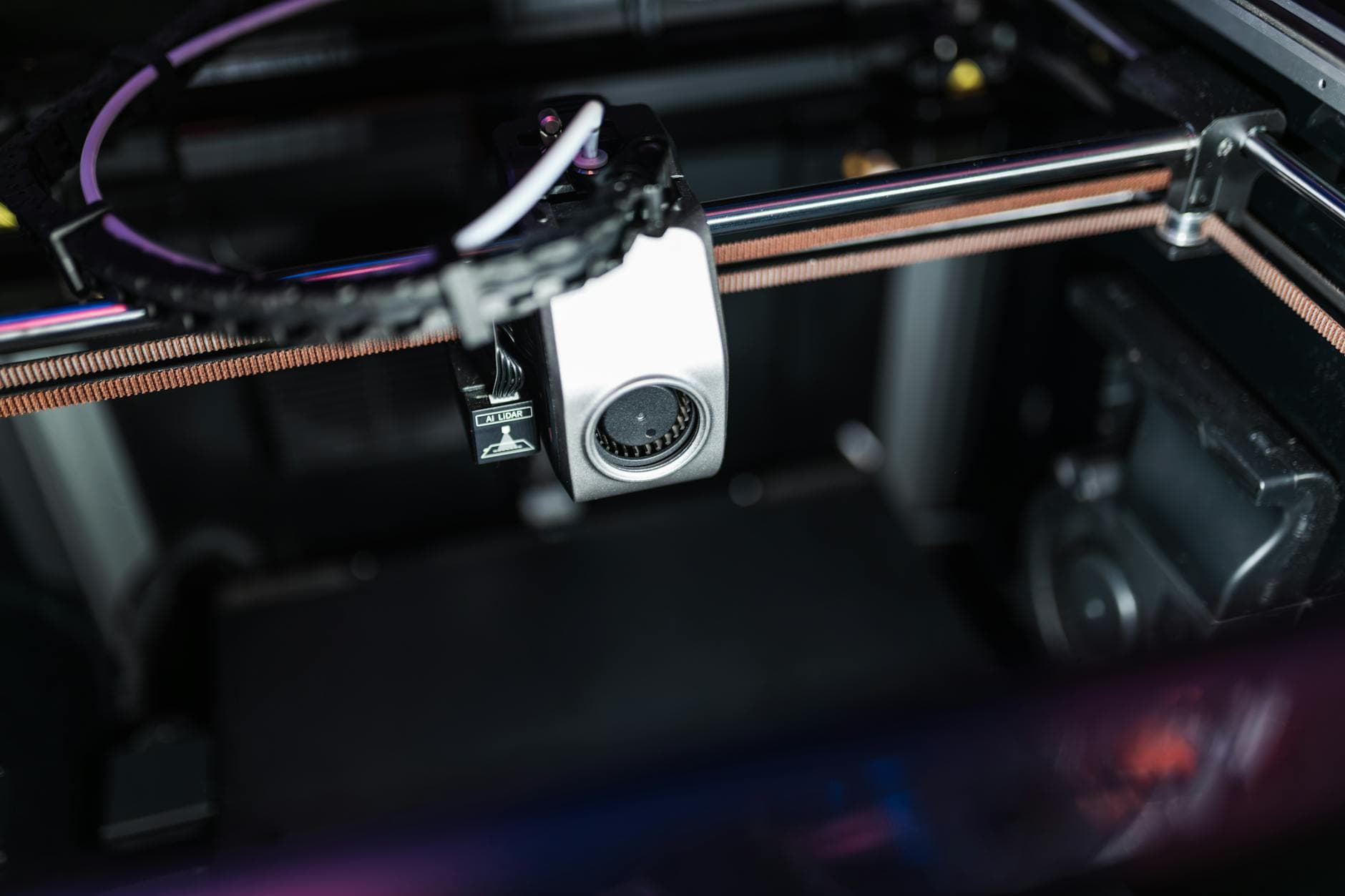
The warning signs will likely arrive in familiar ways. Watch for shorter sale windows, smaller color selections, longer backorders, tighter stock from favorite brands, and price changes that hit more than one material at once. If multiple retailers start trimming discounts at the same time, that is usually a stronger signal than one brand nudging a single spool higher. A market that is merely nervous often looks like slower inventory turns; a market under strain starts looking like gaps on the shelf.
For regular printers, the next buying cycle may favor buying sooner on the materials you use every week, especially if you rely on specific colors, brands, or resin formulations. If your queue is full, locking in a few spools now could protect your project budget from the next freight or feedstock spike. If you print less often, waiting and watching the next restock cycle may be enough. Either way, the hidden cost of ownership is no longer hidden for long when oil supply gets shaky.
This article was produced by Prism’s automated news system from verified source data, official records, and press releases, then run through automated quality and moderation checks before publishing. The system is built and supervised by the people who set the standards it runs under. Read our full AI policy.
Did this article answer your question?