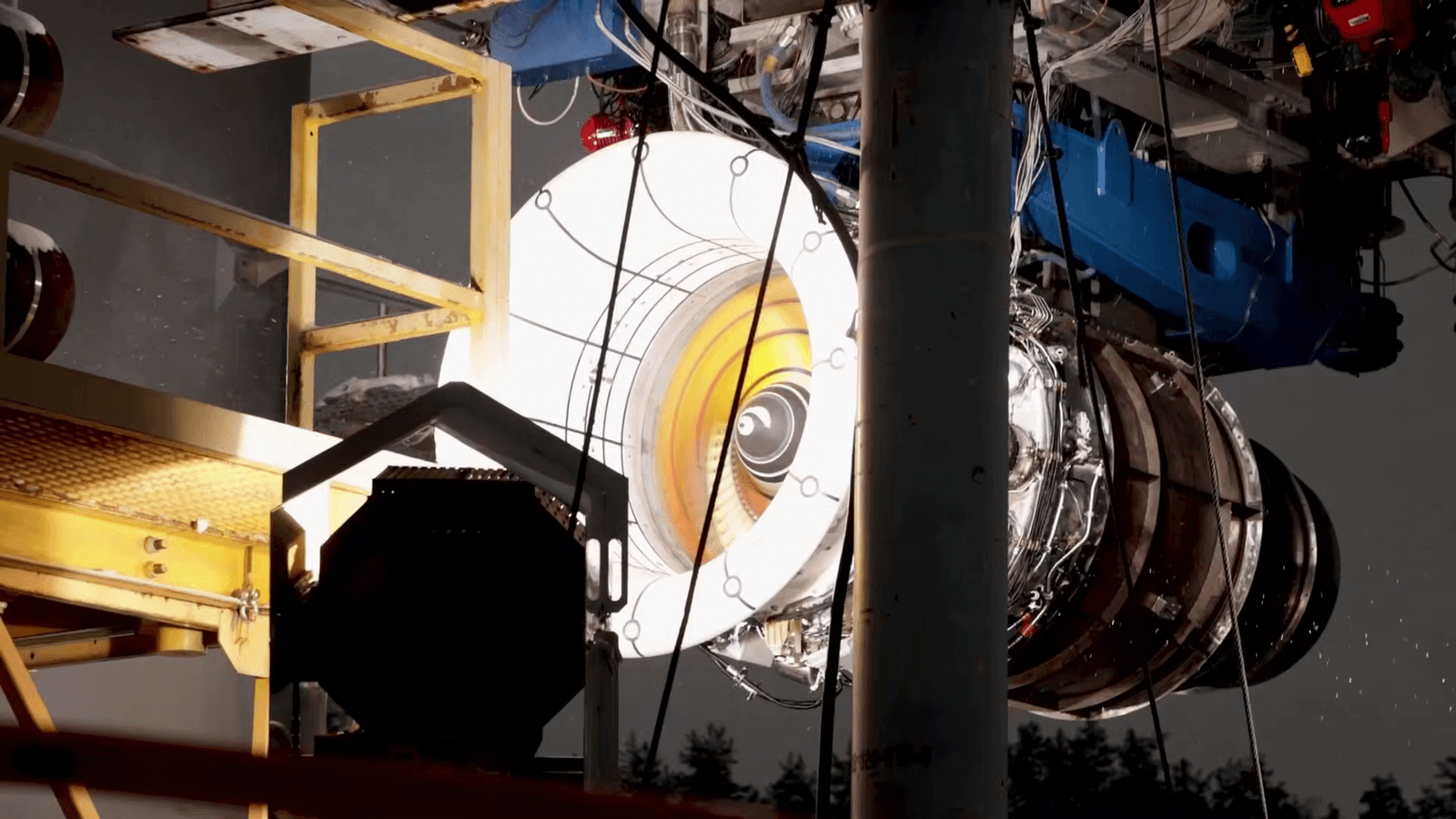
ORNL develops crack-resistant DuAlumin-3D for aerospace and auto parts
DuAlumin-3D targets the crack problem that derails aluminum prints, and ORNL says it stays strong past 300°C while reaching more than 99.9% density.
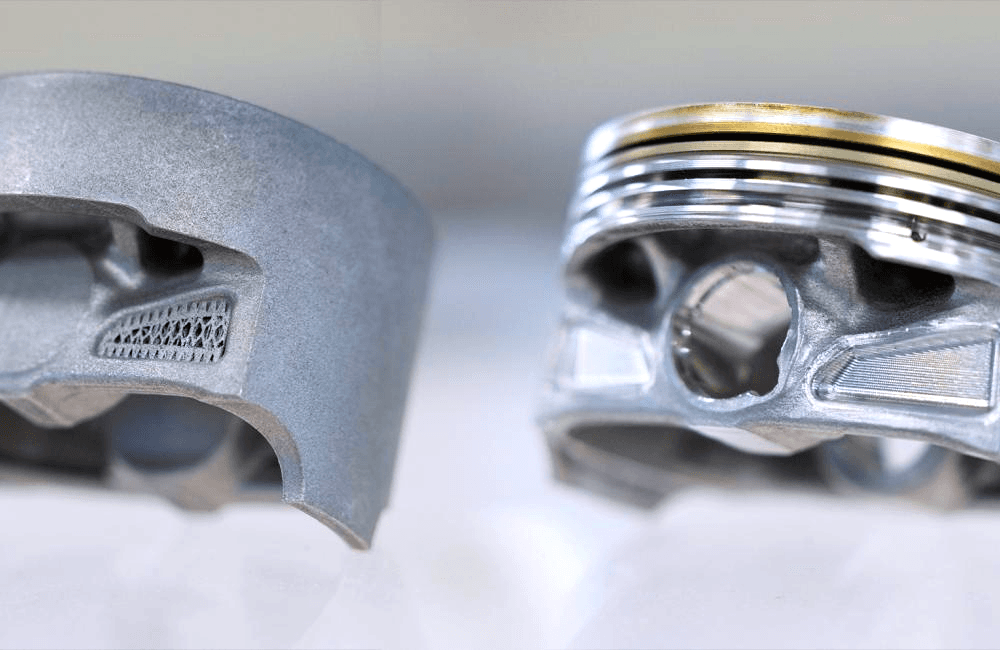
Cracking has been the dirty little problem behind a lot of failed aluminum prints, and Oak Ridge National Laboratory built DuAlumin-3D to hit that bottleneck head-on. The alloy was aimed at high-temperature automotive components, but ORNL also sees a lane for lightweight aerospace parts and heat exchangers, where aluminum’s weight savings only matter if the material can survive printing without tearing itself apart as it cools.
The chemistry is part of the story. ORNL’s technical report gave DuAlumin-3D a nominal composition of Al-9Ce-4Ni-0.5Mn-1Zr by weight, and the lab designed it for laser powder bed fusion, where rapid cooling can create the refined microstructure that gives the alloy its thermal stability. That matters because ORNL says most aluminum alloys lose a large fraction of their strength above about 200°C, which is exactly where a lot of conventional aluminum starts running out of road.
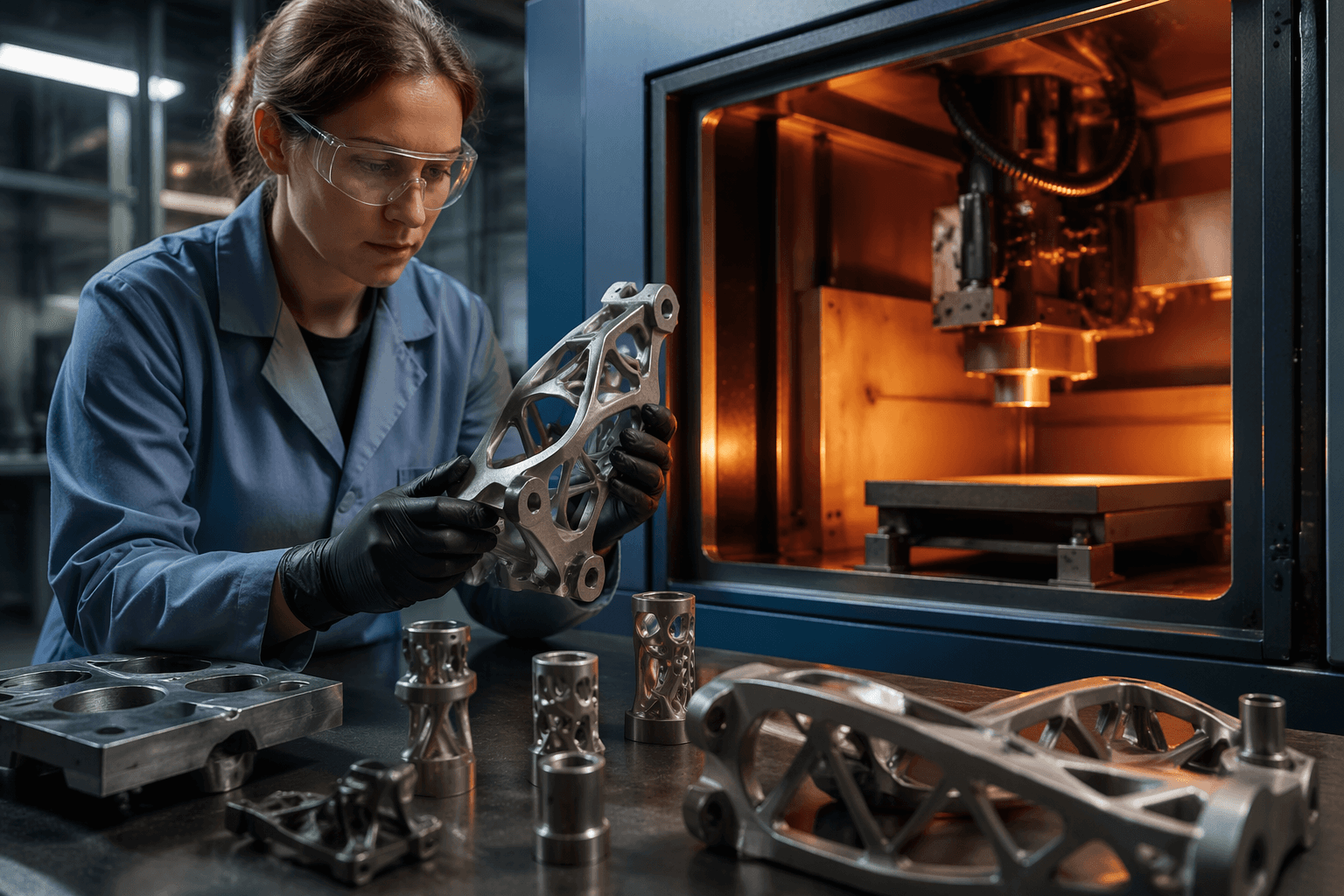
ORNL tested DuAlumin-3D in both as-printed and heat-treated conditions and reported tensile properties that beat benchmark wrought 2219-T61 across a wide temperature range. The lab later said the alloy has the best-known creep resistance of any aluminum alloy at 300°C, retains more than half its strength at 300 to 315°C, and stays stable up to 400°C. ORNL also said the material reached more than 99.9% density in testing and showed strong fatigue strength at 350°C. In practical terms, that puts it about 150°C hotter than other aluminum alloys the lab compared it against.
ORNL said the alloy’s development took under three years, and the payoff is not just a better lab sample. The lab estimates DuAlumin-3D could save about $3 billion in annual fuel costs if adopted by 10% of the U.S. automotive sector. General Motors already used the material in a 2025 medium-duty truck engine project that won an R&D 100 Award, and DuAlumin-3D itself shared a 2022 R&D 100 Award with General Motors, Beehive Industries and The University of Tennessee, Knoxville. ORNL also said the alloy moved closer to industrial adoption through work with Boeing and GE Aerospace.
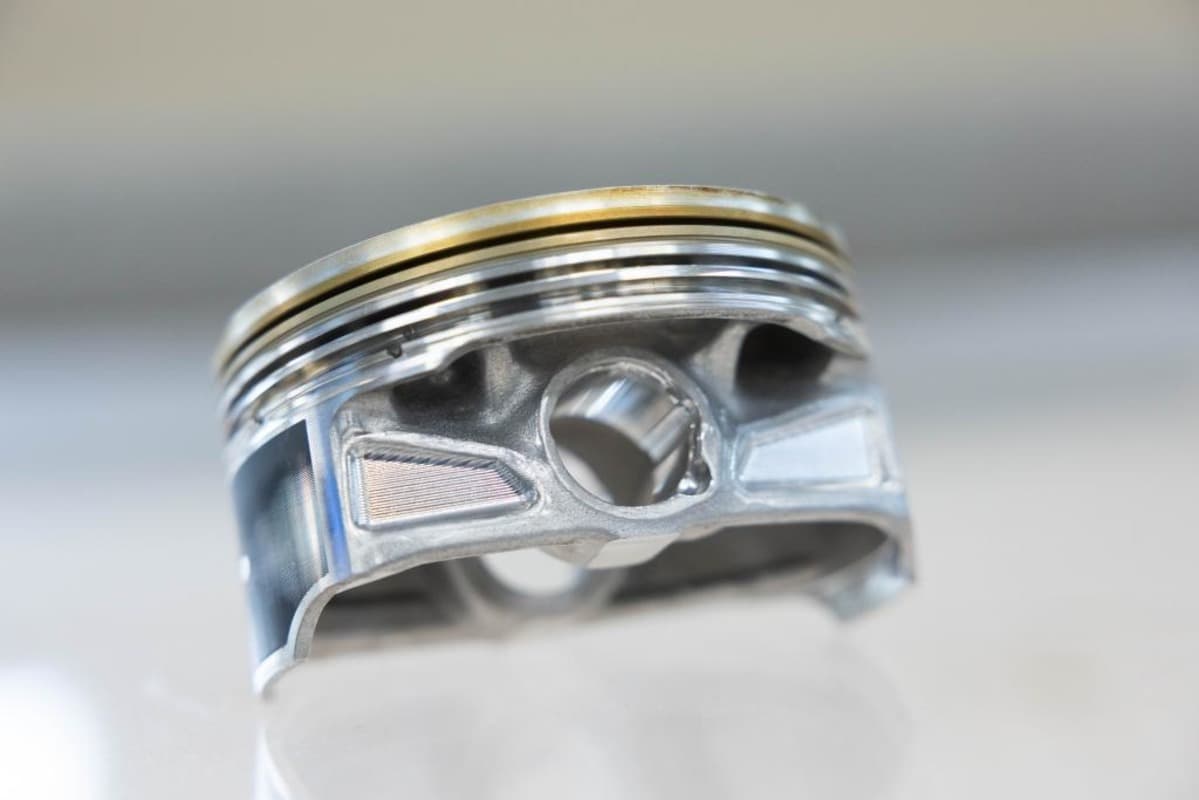
That is the real takeaway here: the win is not a shinier aluminum alloy on a spec sheet, it is a material that can make it through laser powder bed fusion without cracking and still hold together where heat usually ruins the party.
This article was produced by Prism’s automated news system from verified source data, official records, and press releases, then run through automated quality and moderation checks before publishing. The system is built and supervised by the people who set the standards it runs under. Read our full AI policy.
Did this article answer your question?