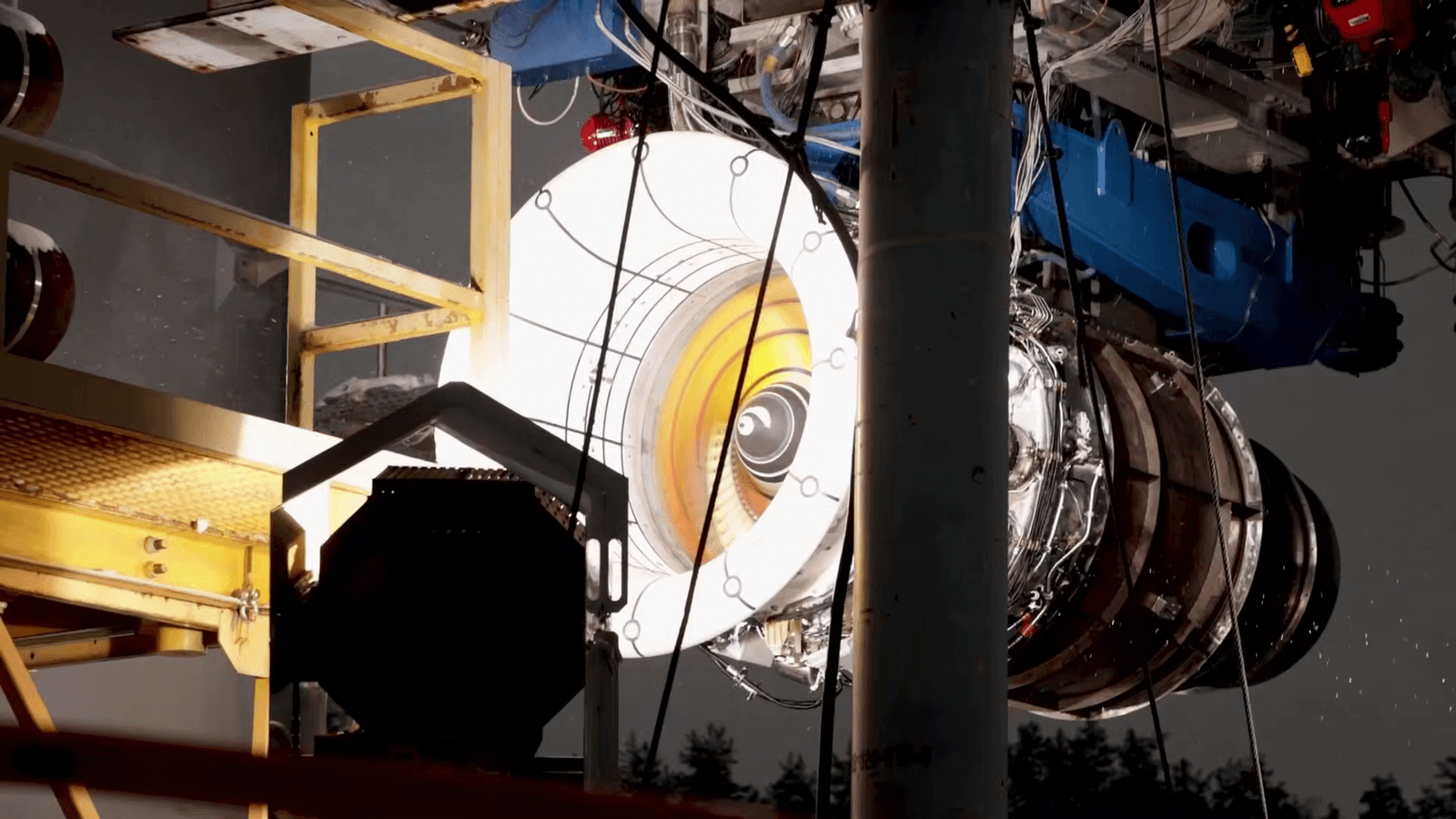
ORNL uses 3D printing to lower micro-hydropower costs
3D printing cut micro-hydropower costs by up to 40% per kilowatt by turning one-off waterway parts into printable, castable, and machinable geometry.

The real bottleneck is the part, not the water
Micro-hydropower fails on economics long before it fails on engineering. Oak Ridge National Laboratory’s pitch is simple: if a low-head site needs custom hardware, odd geometry, and parts that still have to survive decades of water pressure, additive manufacturing can make the project pencil out. ORNL says the approach cut cost by up to 40% per kilowatt compared with traditional methods, which is exactly the kind of number that changes a side project into a build worth doing.
The opportunity is bigger than most people think. The United States has roughly 90,000 dams, but fewer than 3% currently generate electricity. About 51,000 dams are classified as having micro-hydropower potential, with individual sites capable of producing up to 100 kilowatts, and ORNL says roughly 29 gigawatts of untapped hydropower energy remains across thousands of sites. That is not a resource problem. It is a manufacturing problem.
Why small hydro gets expensive fast
On paper, a micro-hydro install sounds straightforward: move water, spin a runner, make power. In practice, every site throws its own geometry at you. Flow changes seasonally, the intake shape is rarely clean, and the parts have to fit around existing civil work instead of forcing the site to fit the machine. That means custom housings, custom supports, custom transitions, and a lot of one-off fabrication that gets brutally expensive at low volume.
That is where additive manufacturing starts to look less like a novelty and more like a cost-down tool. When the part count is low and the geometry is specific to one dam, one canal, or one river crossing, traditional tooling is overkill. A print, a mold, or a hybrid print-and-machine workflow can be cheaper than building a whole production line for a handful of units.
How ORNL and Cadens split the problem
Cadens, based in Rome, Wisconsin, had already built Turbine Builder software to specify hydropower components and operates a micro-hydro lab for testing AM parts in controlled conditions. The limitation was familiar to anyone who has tried to prototype a weird mechanical assembly: earlier testing was constrained to parts small enough to make economically on local commercial systems. That is a hard ceiling when the part you need is the thing that defines the entire water path.
ORNL’s Manufacturing Demonstration Facility stepped in to see whether big area additive manufacturing could fill that gap. The team balanced standardization with site-specific customization by using a large PVC pipe as the main waterway, then tailoring 3D printed polymer parts to fit the real-world installation. The printers and CAD tools were not replacing the whole hydropower system. They were making the awkward, site-specific parts affordable enough to build.
What got printed, what got cast, and what got machined
The prototype was not a single monolithic print, and that is the useful lesson. The project used big area additive manufacturing, CAD, and a 3D Platform Workbench 400 Series system to fabricate multiple components for a Fixed-Kaplan S-turbine testbed. ORNL’s December 2020 report says the effort successfully fabricated a draft tube, thimble, runner housing mold, PVC end fitting, two PVC pipe supports, and a runner system.
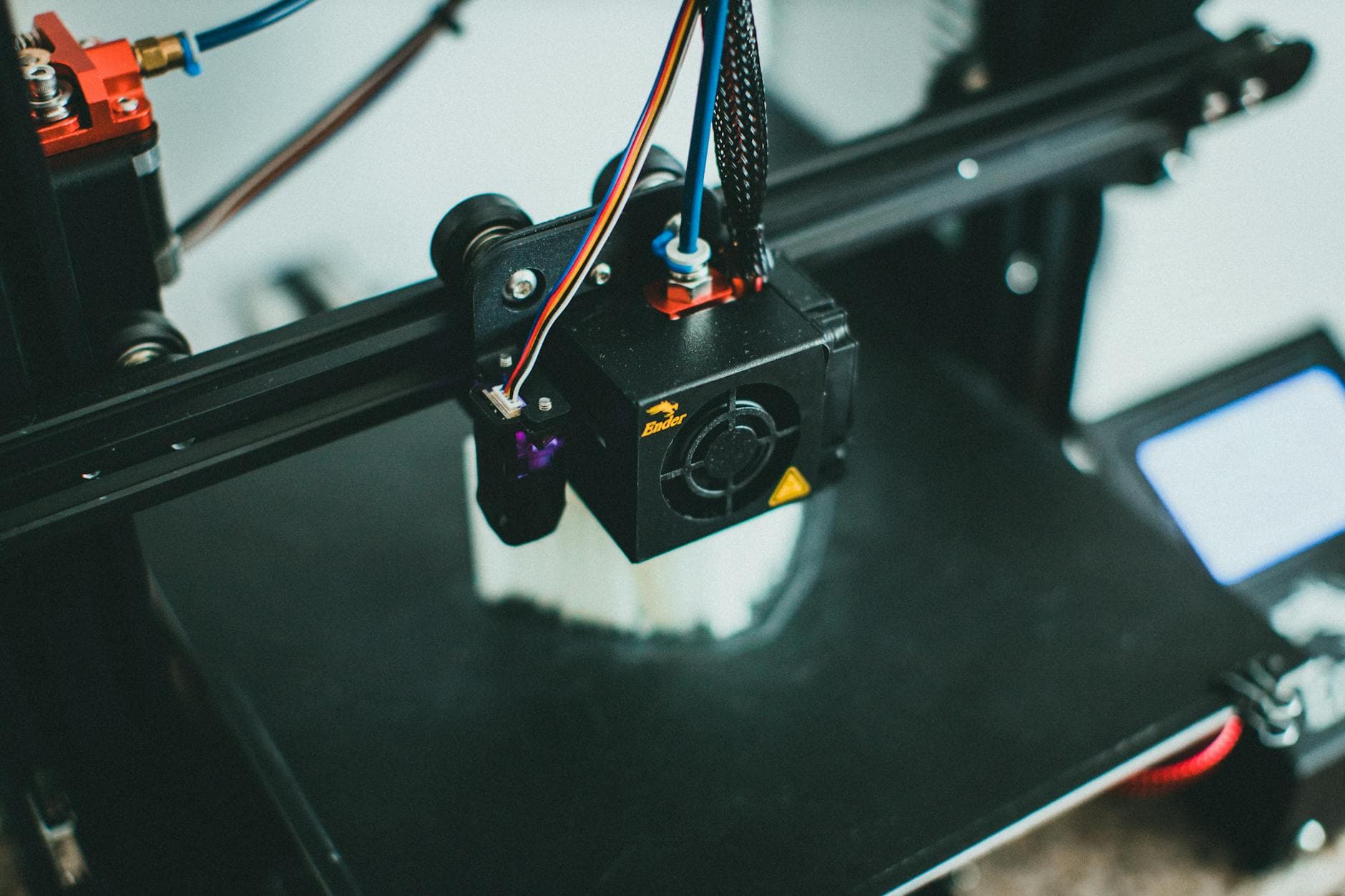
The draft tube is the standout example. ORNL printed it in two halves using 20% carbon-fiber reinforced ABS, then sealed the assembly into a 688-pound unit. That is a very maker-friendly move in concept, even if the scale is industrial: split the geometry, print the tricky shell, join it, and reinforce it with the right material for the job. For the runner housing, the team did something even smarter for cost control. Instead of printing the final housing, it printed a mold, cast the housing in fiberglass, then finished it with CNC machining and spray-coat sealing.
That hybrid workflow is the real blueprint here. The printed part does not always need to be the final part. Sometimes the best use of additive is making the tool that makes the part.
The testbed proves the workflow, not just the prototype
Cadens’ setup has been running continuously at its test facility for more than six years, generating data for design and energy-conversion research. ORNL’s newer success story describes the testbed as a 30-foot-long installation at Cadens’ facility in Rome, Wisconsin, and says it has become a platform for broader work in material and component testing, simulation model optimization, and energy storage solutions. That matters because the value of a printed hydropower component is not just that it exists. It is that it can be iterated, tested, and refined without turning every revision into a budget crisis.
For builders, the lesson maps cleanly onto other low-volume mechanical projects. If you are replacing a hard-to-source pump component, building an outdoor water system, or designing a one-off mechanical assembly with strange clearances, the winning move is often the same: print the geometry-heavy pieces, cast or machine the wear-focused ones, and reserve expensive traditional fabrication for the surfaces that truly need it.
Why this is bigger than one turbine
ORNL and DOE have been pushing hydropower modernization as a broader manufacturing problem. A 2022 ORNL workshop led to a March 2023 report on advanced manufacturing and materials for hydropower, and that report points to aging infrastructure, supply-chain issues, environmental mitigations, and evolving operational standards as core challenges. It also identifies additive manufacturing, novel machining, casting, and on-site manufacturing as part of the answer.
The scale of the existing fleet shows why that matters. DOE and ORNL say hydropower produced 6.2% of all U.S. electricity in 2022, and the U.S. hydropower fleet included 2,252 plants with 80.92 gigawatts of capacity. If the big system already matters this much, the overlooked small sites matter even more because they are the places where cost kills projects first.
The basic rule from this work is hard to miss: when the site is weird, the demand is small, and the geometry is too specific for mass production, 3D printing starts winning. ORNL’s micro-hydro case shows the formula clearly, print the custom parts, cast the parts that need bulk, machine the critical interfaces, and stop pretending every project deserves a full traditional manufacturing stack.
This article was produced by Prism’s automated news system from verified source data, official records, and press releases, then run through automated quality and moderation checks before publishing. The system is built and supervised by the people who set the standards it runs under. Read our full AI policy.
Did this article answer your question?