ORNL wins additive manufacturing award for nuclear construction molds
ORNL’s 3D-printed nuclear molds helped cast 8-by-8-by-20-foot shielding columns in just 14 days, winning SME’s 2026 Aubin AM Case Study Award.
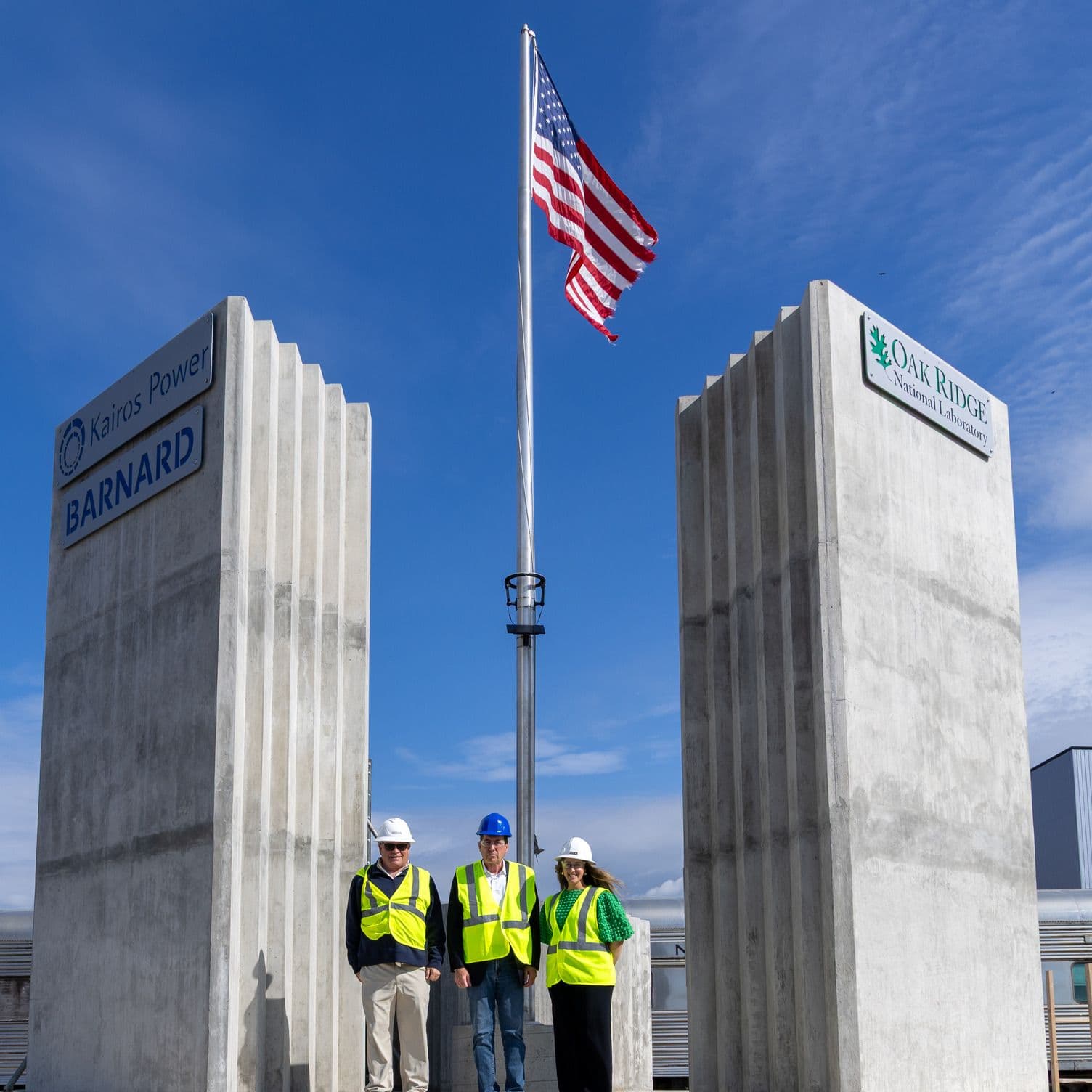
Oak Ridge National Laboratory turned a nuclear construction challenge into a showcase for additive manufacturing, winning the 2026 SME Aubin Additive Manufacturing Case Study Award for a project that used large-format 3D printing to make high-precision molds for Kairos Power’s reactor shielding structures. The award was presented April 14 in Boston at the SME AM Awards and TCT Awards Gala, and judges pointed to the project’s technical rigor, industry collaboration, and potential national impact.
At the center of the work was ORNL’s Manufacturing Demonstration Facility, which teamed with the University of Maine, Kairos Power, and other industry partners across the United States to build reusable composite molds for advanced reactor construction. ORNL said the effort showed digital manufacturing could cut weeks off the schedule while still meeting strict nuclear standards, a big deal in a sector where concrete structures can account for as much as 60 percent of schedule risk.

The parts themselves were anything but small. The team used the molds to cast bio-shield strongback columns measuring about 8 feet by 8 feet by 20 feet, along with radiation shielding wall panels as long as 27 feet. Some of the panels used complex interlocking joints that reduced or eliminated grout, and critical surfaces were held to precision as tight as one-sixteenth of an inch. The molds also withstood wet concrete pours reaching 12 feet high.

That kind of performance matters because the reusable molds were designed, printed, and delivered in about two weeks, compared with the six to eight weeks often needed to fabricate traditional steel molds. ORNL said the forms completed four full casting cycles for the columns and three for the wall panels without measurable loss of quality, and their modular design allowed quick updates as the work moved forward.
ORNL has been building toward this point for years. The lab said earlier Janus shielding demonstration forms, about 10 feet by 10 feet each and stacked three high to make a column, were precursors to the forms now used for the Hermes reactor facility. Hermes, Kairos Power’s low-power demonstration reactor in Oak Ridge, received a construction permit from the U.S. Nuclear Regulatory Commission on December 14, 2023, began construction on July 30, 2024, and started installation of nuclear safety-related concrete on May 8, 2025.
The timing matters because Hermes is a benchmark for the next wave of advanced reactors. Kairos Power says it is the first and only Generation IV reactor approved for construction by the NRC and the first non-light-water reactor permitted in the United States in more than 50 years. ORNL and Kairos Power deepened their relationship with a $27 million strategic partnership announced February 19, 2026, aiming to accelerate technologies for Hermes and future commercialization.
For the 3D printing world, the message is bigger than one award. When a nuclear project trusts printed molds to shape safety-related concrete, additive manufacturing stops looking like a prototyping shortcut and starts looking like infrastructure. That shift is how desktop materials, process confidence, and public perception eventually move together, one high-consequence build at a time.
This article was produced by Prism’s automated news system from verified source data, official records, and press releases, then run through automated quality and moderation checks before publishing. The system is built and supervised by the people who set the standards it runs under. Read our full AI policy.
Did this article answer your question?