Patent filing sparks Voron 3D printer controversy over open-source design
A June 5 utility model set off a Voron scare, but the filing points to a prosthetic printer, not a simple grab of the open Voron 2.4 design.
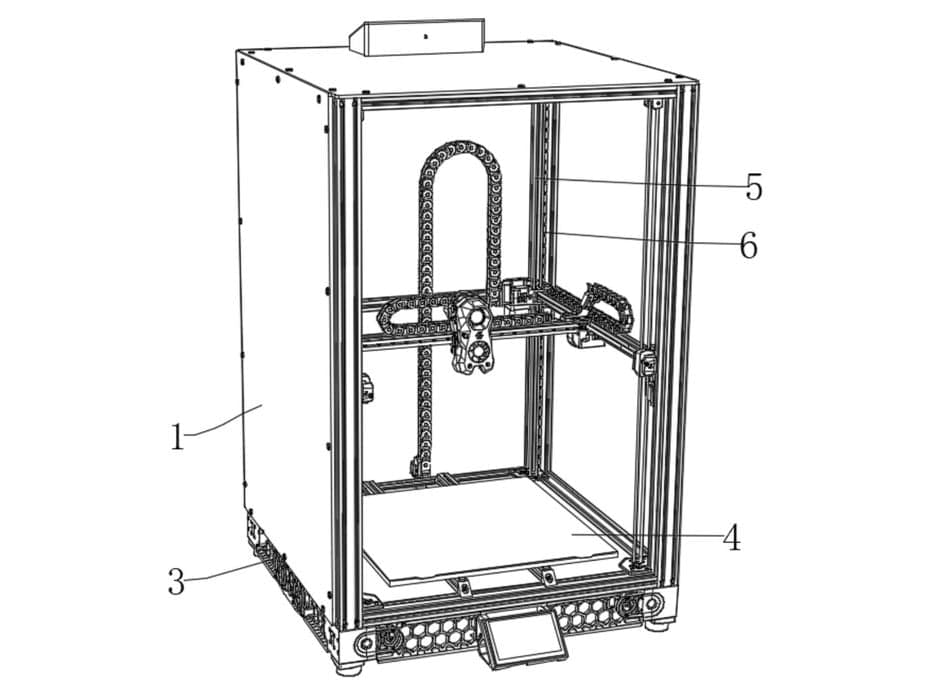
A June 5 Chinese utility model filing set off a familiar panic in the Voron community after online posts treated CN224323579U as if it had simply patented an open-source Voron printer. The filing is assigned to Civil Affairs Vocational University and Tianjin Yiheng Technology Co., Ltd., and secondary writeups describe it as a compact, high-speed FFF printer aimed at prosthetic and orthotic manufacturing.
That detail matters, because the first wave of reaction came from a drawing that looked uncomfortably close to the Voron Design 2.4. In a hobby scene built on remixing, revisions, and shared CAD, a suspiciously similar diagram can travel faster than the paperwork behind it. By the time people were arguing online, the discussion had already drifted from what CN224323579U actually claims to whether the Voron shape itself had somehow been captured by a private filing.
Voron’s own documentation is where the confusion runs into a wall. The project says all Voron designs are open source, with CAD, STLs, and manuals posted on GitHub, and the Voron Design Forum says the group releases its designs under the GPLv3 open source license. The Voron 2.4 first shipped in May 2020, and the Voron-2 GitHub repository lists VORON V2.4r2 as the latest release dated February 23, 2022. By 2025, community documentation said more than 15,000 Voron printers had been built.

That timeline is why this scare spread so easily. Open-source hardware depends on clean attribution and a clear paper trail, but patent drawings, translated summaries, and reposted screenshots often strip away the context that tells builders what is actually being claimed. A design can look similar without being identical, and a utility model aimed at better Z-axis stability for tall prosthetic parts is not the same thing as a blanket patent on the Voron 2.4.
The practical lesson is simple and unglamorous: verify the patent number, the assignees, the publication date, and the exact technical purpose before deciding an open design has been stolen. CN224323579U may have echoed the Voron silhouette closely enough to trigger alarm, but the episode shows something else just as clearly, that in open-source printer circles, trust can crack fast when legal wording, translation gaps, and a recognizable frame all collide at once.
This article was produced by Prism’s automated news system from verified source data, official records, and press releases, then run through automated quality and moderation checks before publishing. The system is built and supervised by the people who set the standards it runs under. Read our full AI policy.
Did this article answer your question?