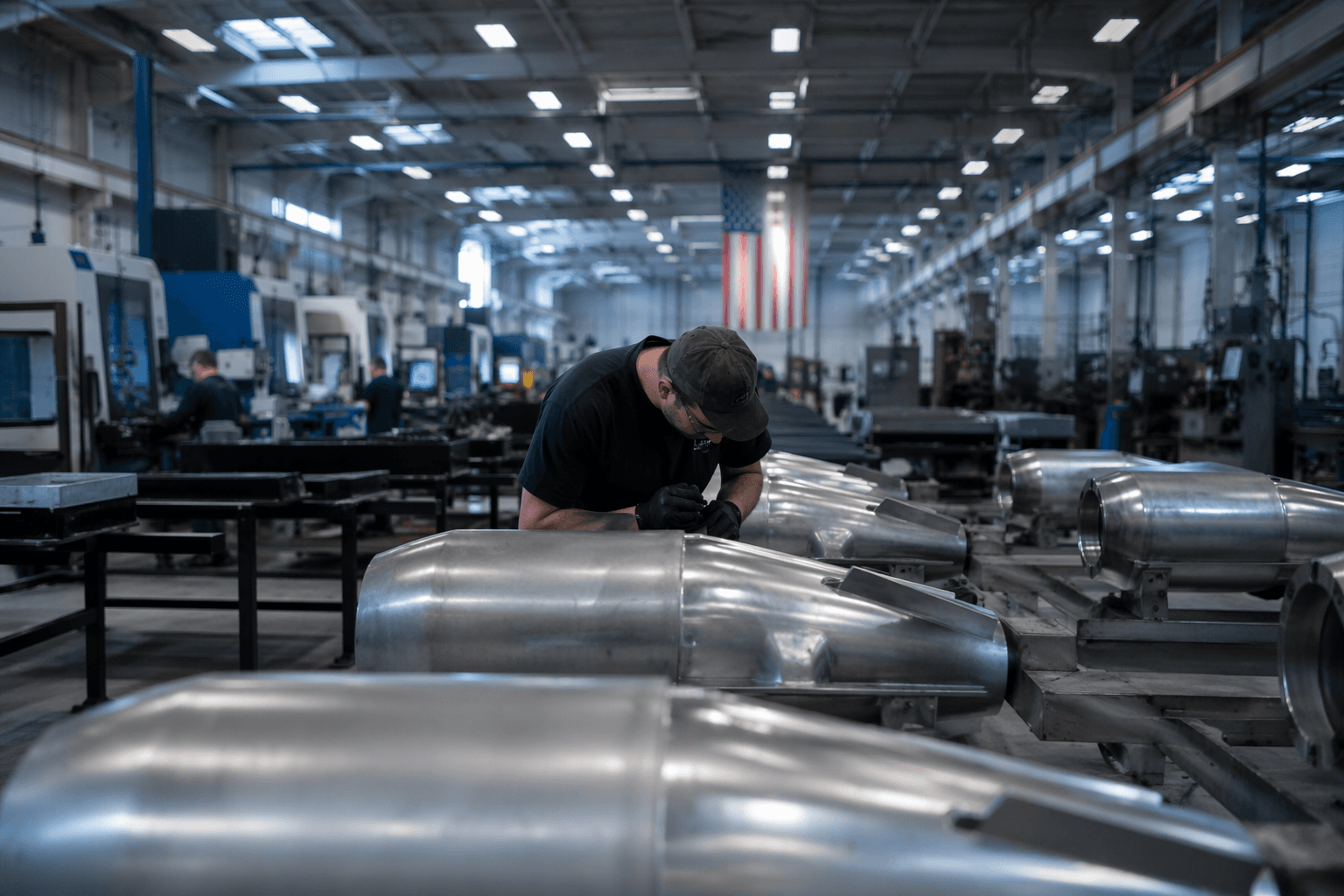
Patent outlines lights-out AI-driven 3D printer for patient-specific implants
A patent filing describes an AI-driven, lights‑out 3D printer that aims to deliver patient-specific implants in "about seven days" with minimal human touch time.
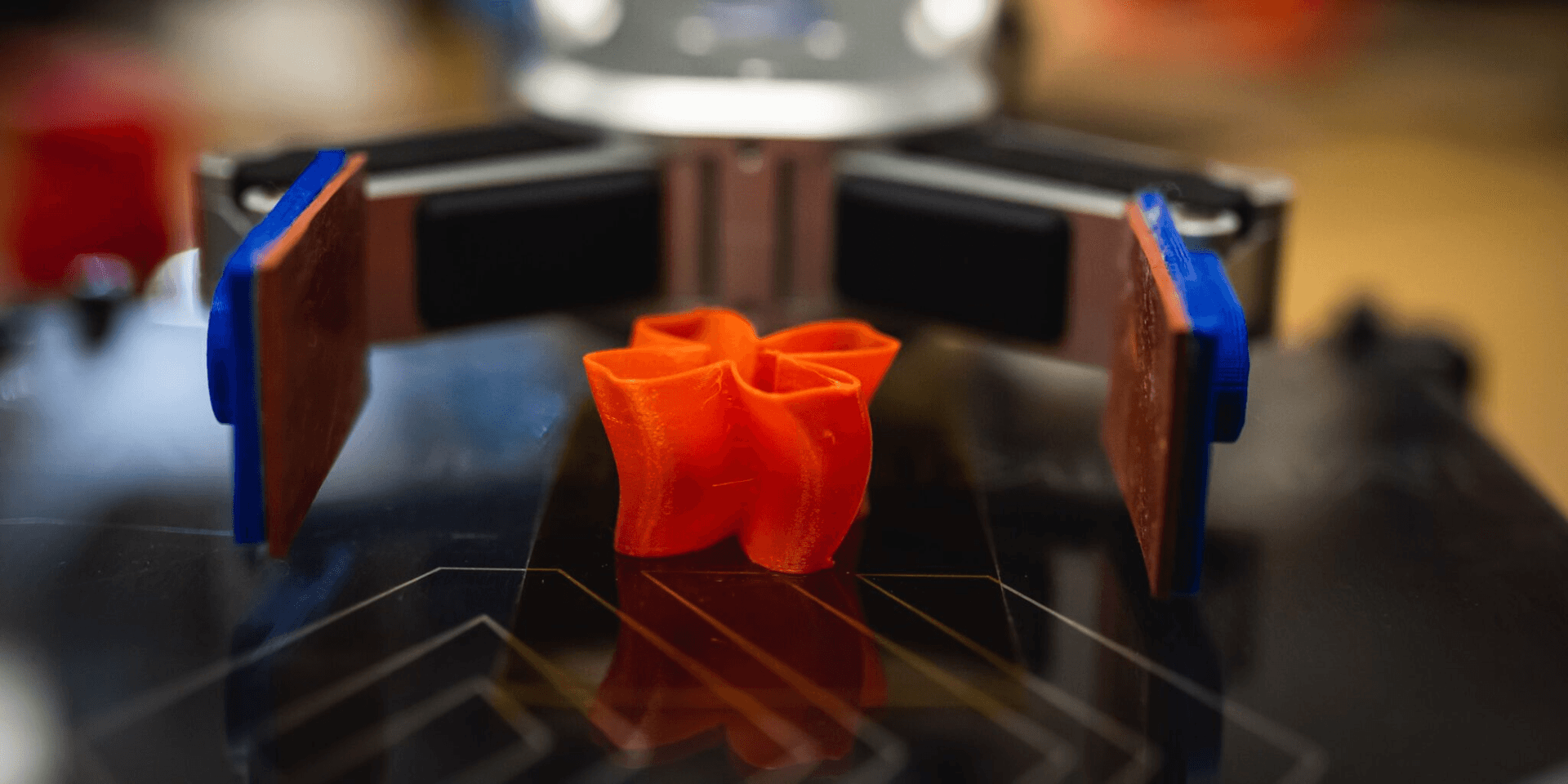
“A new patent filing describes an AI driven 3D printer that could automate patient specific implant production with minimal human touch time.” The filing frames a closed end-to-end cycle that the patent claims can take “about seven days,” a timeline the document calls “a long wait when a patient is in a surgical queue.”
“Custom implant workflows are still manual in many hospitals. Imaging data goes out, CAD happens elsewhere, and a service bureau runs validated builds before shipping parts back for surgery.” The patent proposes automating those steps, imaging through to shipping, into a single, automated pipeline intended to reduce handoffs between hospital imaging, external CAD shops, and service bureaus that currently validate builds before parts return for surgery.
On process control the patent is explicit: “The patent proposes that the system does not stop at selecting temperature and speed. It also tries to predict and then enforce path level choices that influence quality, especially extruder travel routes.” The filing singles out toolpath and nozzle movement as primary variables, arguing that even with stable temperature and speed the “order and path of nozzle movement can degrade quality if the toolpath crosses sensitive regions,” a “very FFF specific example” used to show why path-level control matters for fused filament fabrication implants.
The filing describes a software safety net: “The code modifying module can flag commands that violate the chosen environment conditions and rewrite them, with nozzle travel path called out as a primary variable.” That module is presented as active governance over printable code - flagging and rewriting commands that would otherwise produce defects - rather than only setting global print parameters.

The patent uses the phrase “lights‑out” to describe the intended operational level and situates its proposal amid scaling and distribution trends: “A hint of what’s to come was shown in a Chinese news piece about a rather large 3D print farm.” The article also links the concept to distributed production services, noting “Remember 3D Hubs? It’s gone, but now that functionality returns with 3dfabs.” The item is categorized under news and printer and tagged ai, custom, fff, healthcare, implant, patent; it was reported by Kerry Stevenson on February 26, 2026.
Significant gaps remain in the filing as reported: no patent application number, publication number, assignee, inventor names, filing jurisdiction, or filing date are provided, and the article gives no materials, regulatory, sterility, or clinical validation details. Those unknowns mean the patent currently reads as a technical roadmap rather than an operational product spec. If the path-control and code‑modifying ideas are implemented at scale, they could compress the current imaging → CAD → validated-build → shipping sequence toward the filing’s “about seven days” target, but patent identifiers and regulatory pathways are needed before hospitals or makers can plan integration.
This article was produced by Prism’s automated news system from verified source data, official records, and press releases, then run through automated quality and moderation checks before publishing. The system is built and supervised by the people who set the standards it runs under. Read our full AI policy.
Did this article answer your question?