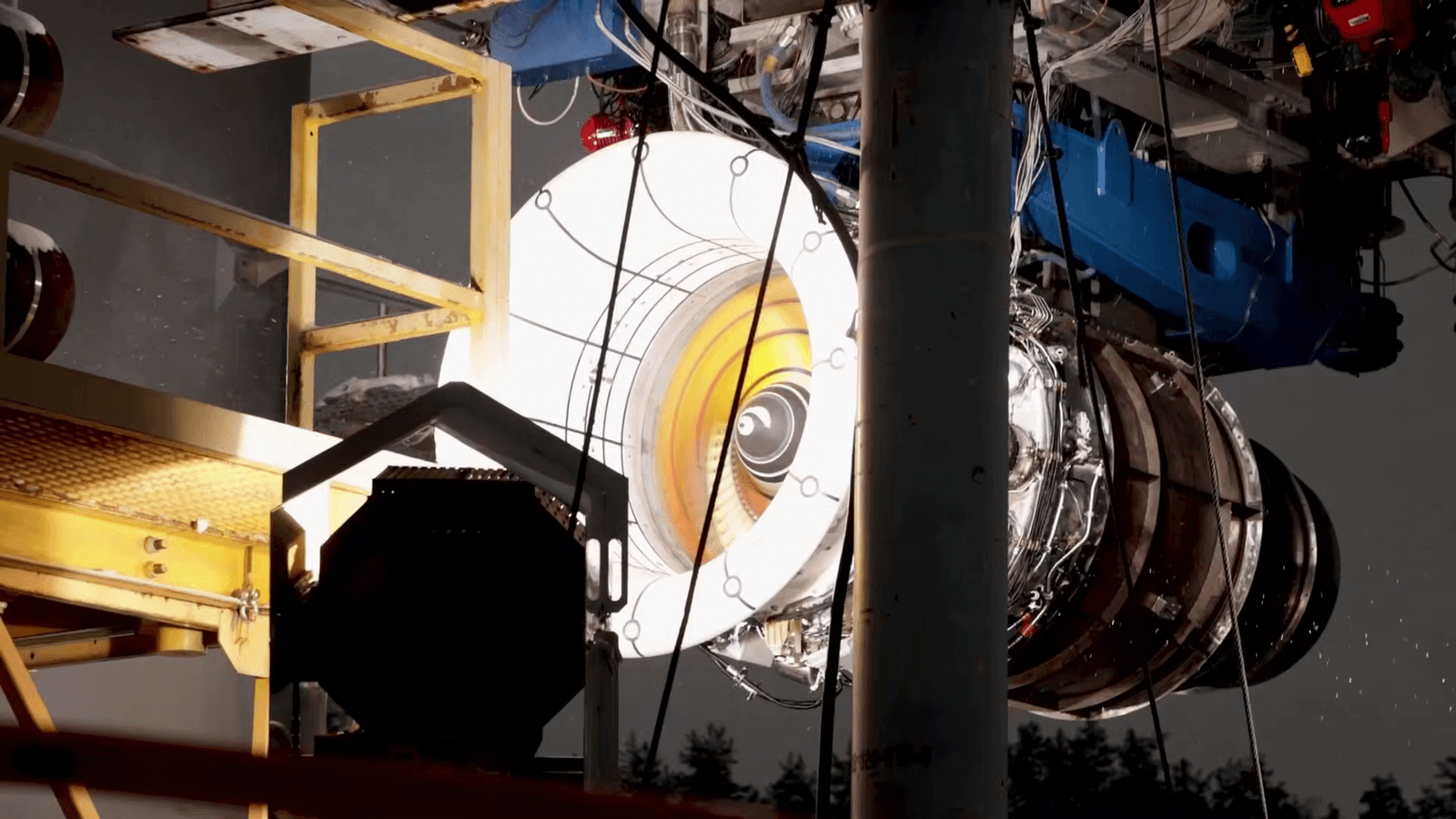
Photocentric spins out CosmicMaker to print parts in space
Photocentric has spun out CosmicMaker Ltd. after three parabolic flights, pushing its LCD-based printer toward lunar and orbital parts production.

Photocentric has turned its space-printing experiments into CosmicMaker Ltd., a standalone company built around a simple but expensive question: what is worth printing in orbit instead of launching from Earth? After three parabolic flights aboard Novespace’s Airbus A310 Zero G out of Bordeaux, the company is betting that the answer is functional parts, repair hardware and mission-critical tools, not just proof that microgravity printing can work.
The new company is aimed at manufacturing parts on the Moon and in space, and Photocentric describes CosmicMaker as an autonomous manufacturing platform for space applications. The European Space Agency goes a step further, calling it a compact, autonomous in-space manufacturing platform for microgravity. That language matters because the pitch here is not novelty printing, it is logistics. ESA has said in-space manufacturing will be crucial as missions move farther from Earth, since crews will need to make essential parts, repair equipment and create tools on demand without waiting for resupply.
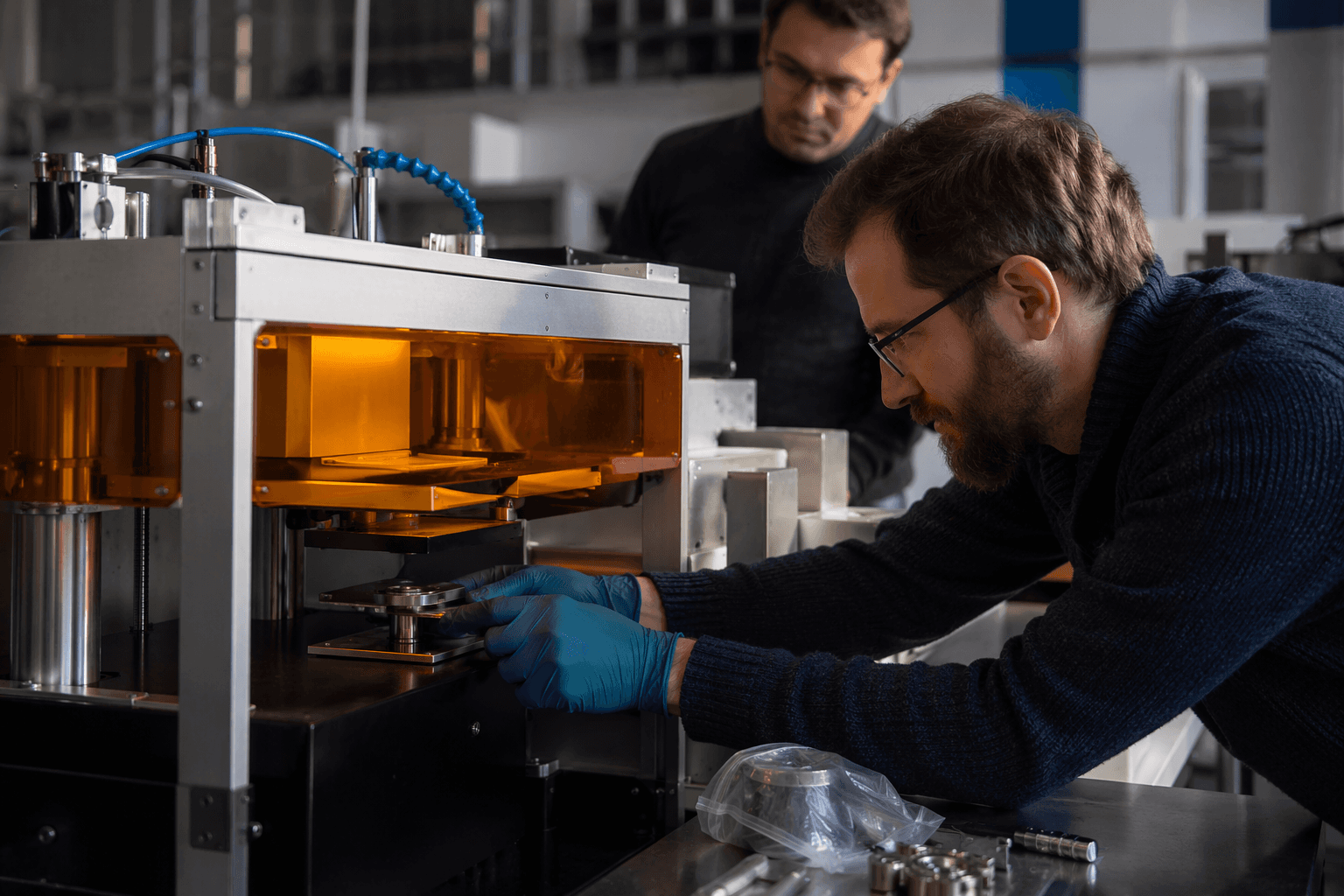
Photocentric’s test program has been building toward that goal for years. The company says it patented LCD-based 3D printing in 2015 and later won a Queen’s Award for Innovation in 2020 for the invention. Its latest space-focused effort, CosmicMaker II, is a £0.5 million UK Space Agency-sponsored project that uses three 3D printers based on Photocentric’s enclosed-chamber LCD process. The point of that project is bluntly practical: validate printing plastics and ceramics in zero gravity.
The hardware has already taken its first flight steps. Photocentric says CosmicMaker had its first successful parabolic flight in 2026, and the test campaign ran across conditions from 2g to 0g, a nasty swing for any manufacturing process. DLR said the Airbus A310 Zero-G took off from Bordeaux-Mérignac Airport on 19 May 2026 for its 46th parabolic flight campaign, with a typical campaign made up of three flight days and about 31 parabolas per day. That is the kind of punishing, repetitive stress test that reveals whether a printer is spaceworthy or just space-themed.
For now, CosmicMaker still looks more like a long-range R&D bet than a mature market. But Photocentric is already advancing discussions about sending the system to the International Space Station for in-space testing, which would be the next real check on whether orbit printing can do something shipping from Earth cannot. If it can survive that step, the bigger market may not be lunar hype at all. It may be the ugly, necessary work of manufacturing where the breakdown happens.
This article was produced by Prism’s automated news system from verified source data, official records, and press releases, then run through automated quality and moderation checks before publishing. The system is built and supervised by the people who set the standards it runs under. Read our full AI policy.
Did this article answer your question?