Ploopy Bean debuts as open-source 3D-printable pointing stick mouse
Ploopy turned the ThinkPad nub into a desktop mouse you can print, remap, and repair, with QMK and VIA baked in from the start.
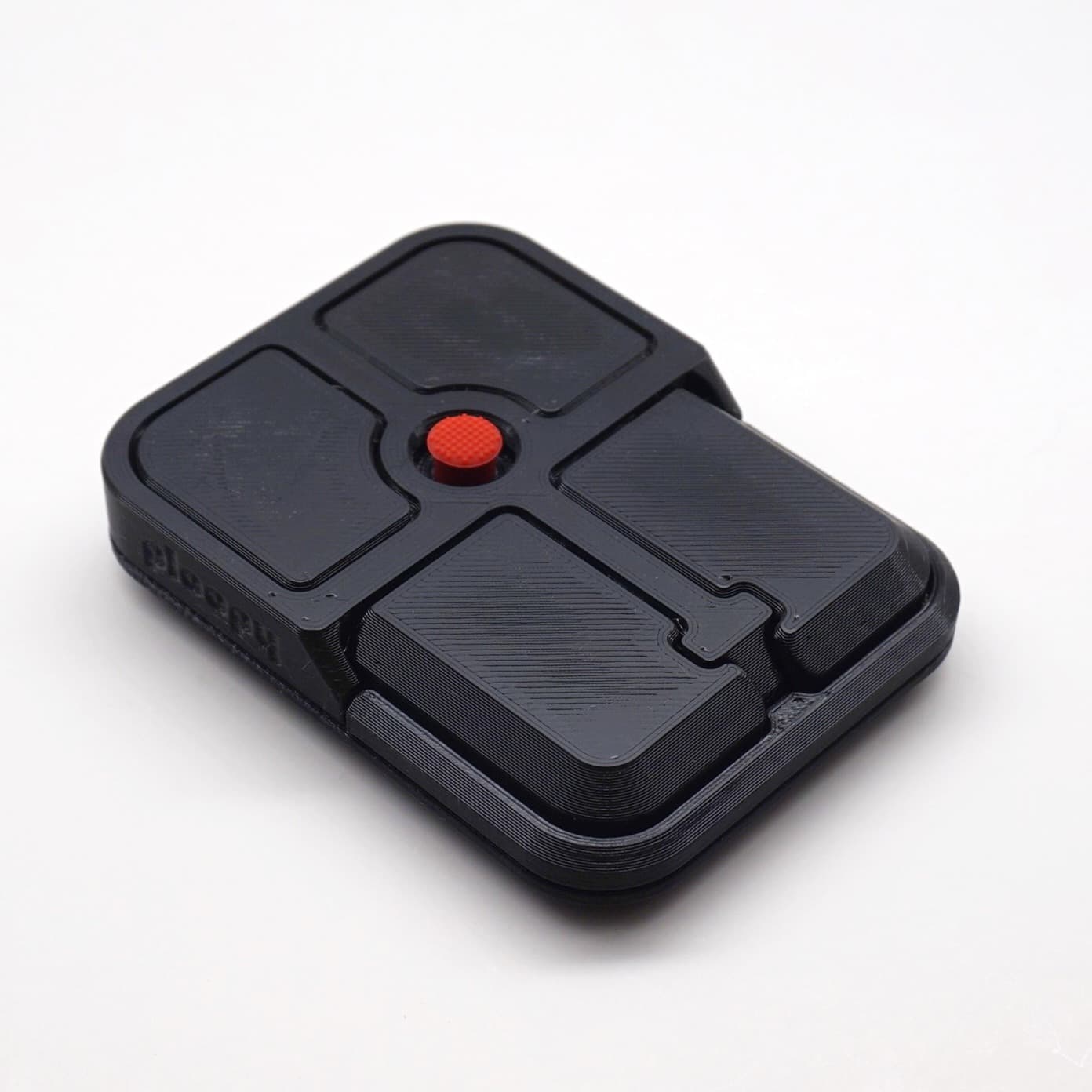
Ploopy has turned the laptop pointing stick into something makers can print, tune, and rebuild at home. The Bean is a 3D-printed, open-source pointing stick mouse, or “nub mouse,” that ships with QMK preloaded, supports VIA for fast button remapping, and is being offered as a preorder kit for C$69.99, about US$51.
That price buys a very specific kind of cursor control. The Bean is aimed at users who like the ThinkPad-style TrackPoint experience, where the hand can stay close to the keyboard while the cursor moves from a pressure-sensitive stick. Ploopy says the Bean pushes that idea further than it has been taken before, this time as a standalone USB desktop device rather than something buried in a laptop palm rest.
The hardware is unusually open, even by maker standards. Ploopy says all of the mechanical, electrical, and firmware files have been released on GitHub, including documentation for making, assembling, programming, and modifying the device. The repository says the firmware is released under GPLv3 and the hardware design files under CERN OHL v2-S, which means owners are not just buying a mouse, they are getting a modifiable platform.
That matters for the people who already treat peripherals the way others treat hotends or motion systems: as parts to tune. The Bean uses four Omron D2LS-21 buttons, a USB Type-C connection, and a pointing stick that Ploopy says can detect touches as small as 3 microns. Early specs put its size at 84 x 64 x 16 mm, a compact footprint that keeps the device in the same minimalist lane as the pointing-stick concept itself.
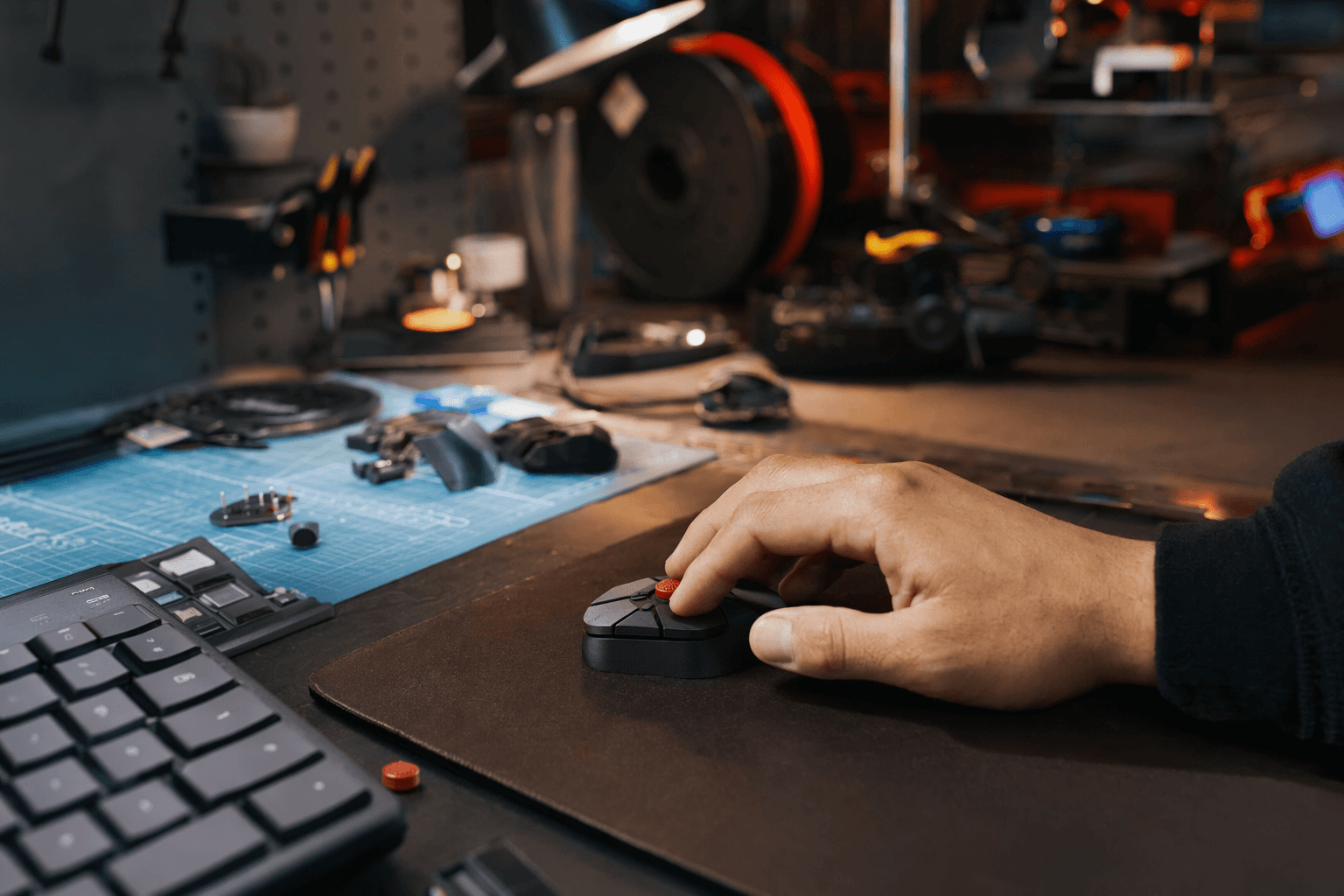
The Bean also fits neatly into Ploopy’s larger hardware catalog. The Toronto, Canada company has already built a reputation around open-source input gear with products like the Classic, Adept, Trackpad, Thumb, Mouse, Nano 2, Knob, and Headphones. The pattern is consistent: repairability, replacement parts that can be 3D-printed, and the kind of radical transparency that invites community mods instead of locking them out.
Reaction has already split along familiar lines. Some early commentary treats the Bean as a USB version of Lenovo’s TrackPoint nub, while others argue that moving the stick into a separate external mouse changes the original ergonomics and misses the point. That tension is exactly what makes the Bean interesting: it is not just another mouse launch, but a test case for how far open-source hardware can go when it meets an everyday interface people already have strong opinions about.
This article was produced by Prism’s automated news system from verified source data, official records, and press releases, then run through automated quality and moderation checks before publishing. The system is built and supervised by the people who set the standards it runs under. Read our full AI policy.
Did this article answer your question?