Polymaker Blue Sparkle PLA Causes Widespread Printability Complaints
A high-engagement Reddit thread on r/3DPrintingCirclejerk on December 27, 2025 flagged severe printability problems with Polymaker's blue sparkle PLA, drawing broad community attention. The reports matter because they highlight potential material issues that can ruin prints, waste time and filament, and require extra testing before committing to big projects.
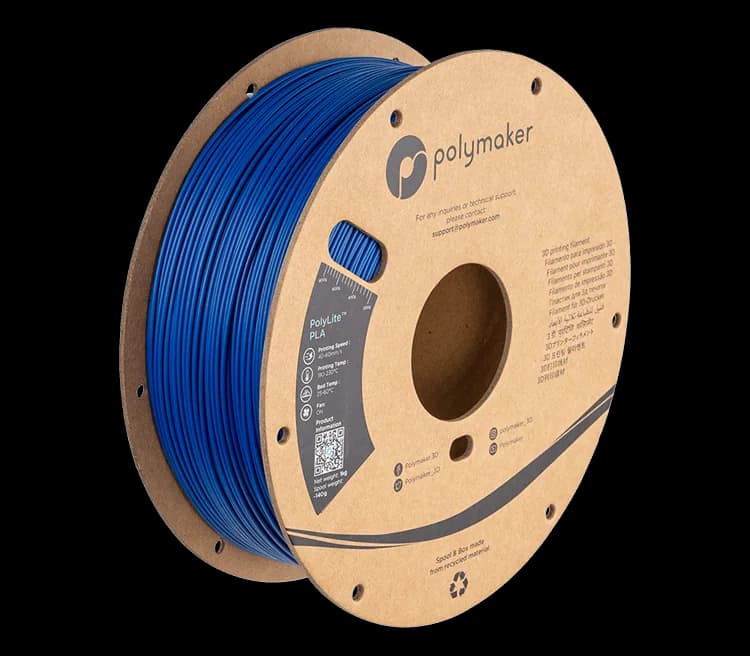
Community members rallied on December 27, 2025 after multiple posts described the same set of troubling behaviors in Polymaker's blue sparkle PLA. Posters reported excessive warping, brittle finished parts, poor layer adhesion and spools that arrived badly wound or dented. The thread drew sustained engagement as users compared failed prints and troubleshooting experiences.
Several contributors speculated that additives used to produce the sparkly color or embedded glitter particles were undermining the filament’s mechanical performance. Those were community hypotheses rather than confirmed causes, but the repeated pattern across several batches and users raised concern that the aesthetic additives could be compromising adhesion or filament integrity despite the material’s attractive appearance.
The practical fallout is immediate for anyone planning a print run with this filament. Problems described in the thread can lead to failed prints, structural weakness in functional parts and material waste. Posters emphasized plain precautions: test a new filament batch with calibration prints before committing to a large or critical project; inspect the spool carefully on arrival; and photograph dents or poor winding in case you need to contact the seller or manufacturer.
Users shared troubleshooting steps that numerous members found useful. Drying the spool before printing, lowering print speed and temperature, increasing first-layer adhesion, and using a brim or raft were common adjustments that reduced some failures for some users. Those fixes did not universally eliminate problems, but they provide immediate, low-effort steps to try if you already have the filament and need a quick attempt at salvage.
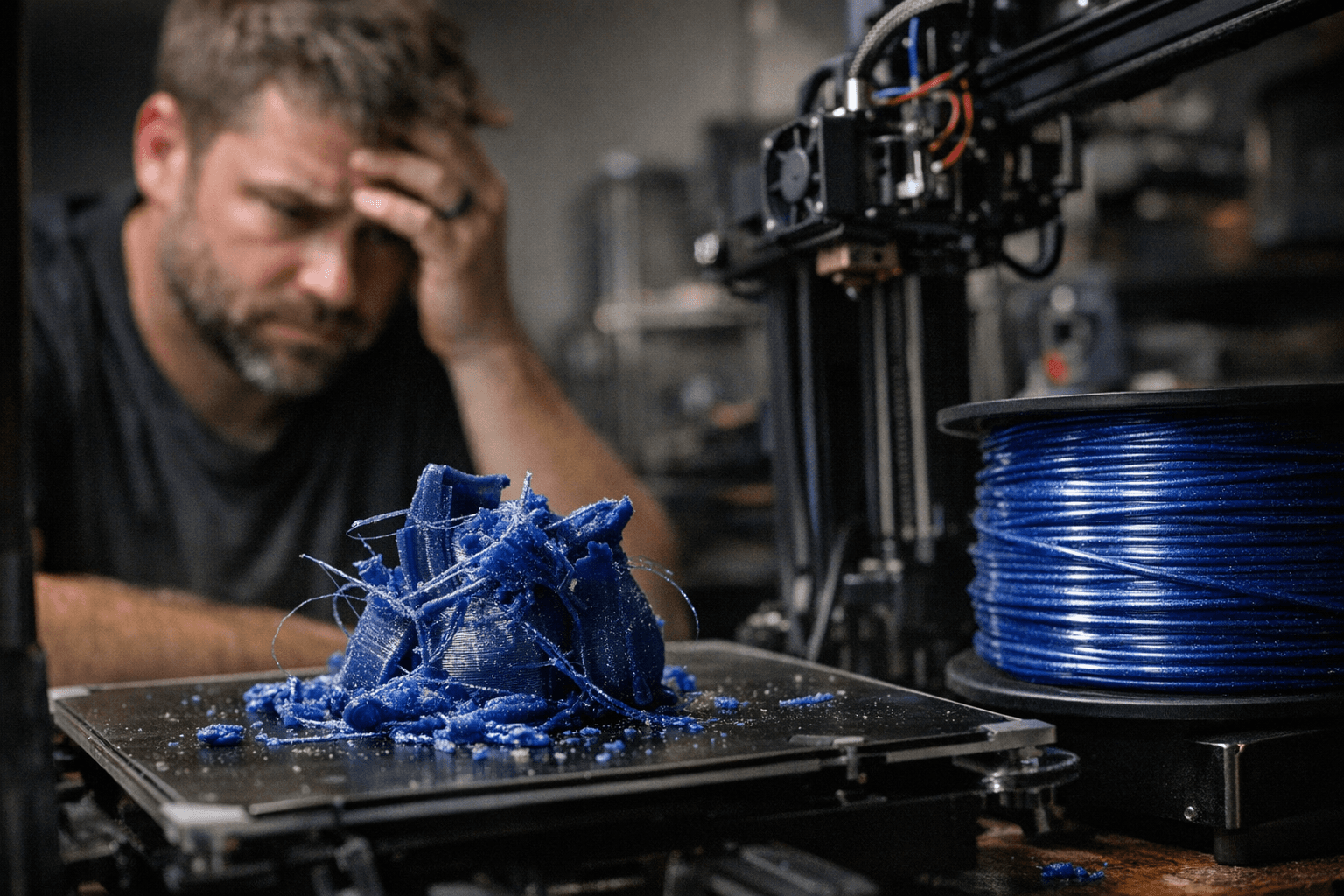
If you encounter similar issues, run small calibration prints to evaluate layer bonding and part toughness, note the filament batch or lot number, and document spool condition. Retain purchase records and consider contacting your supplier or Polymaker support if defects persist. Testing and documentation make returns or exchanges more straightforward and can help the community identify whether the issue is limited to specific batches.
This episode is a reminder that visually striking filaments can behave differently from standard PLA. Verify performance before putting a filament into production, and use calibration prints and conservative settings when experimenting with any decorative or additive-rich materials. Community reporting like the December 27 thread remains one of the fastest ways to flag recurring manufacturing or formulation problems, and sharing detailed failure data helps others avoid the same costly mistakes.
This article was produced by Prism’s automated news system from verified source data, official records, and press releases, then run through automated quality and moderation checks before publishing. The system is built and supervised by the people who set the standards it runs under. Read our full AI policy.
Did this article answer your question?