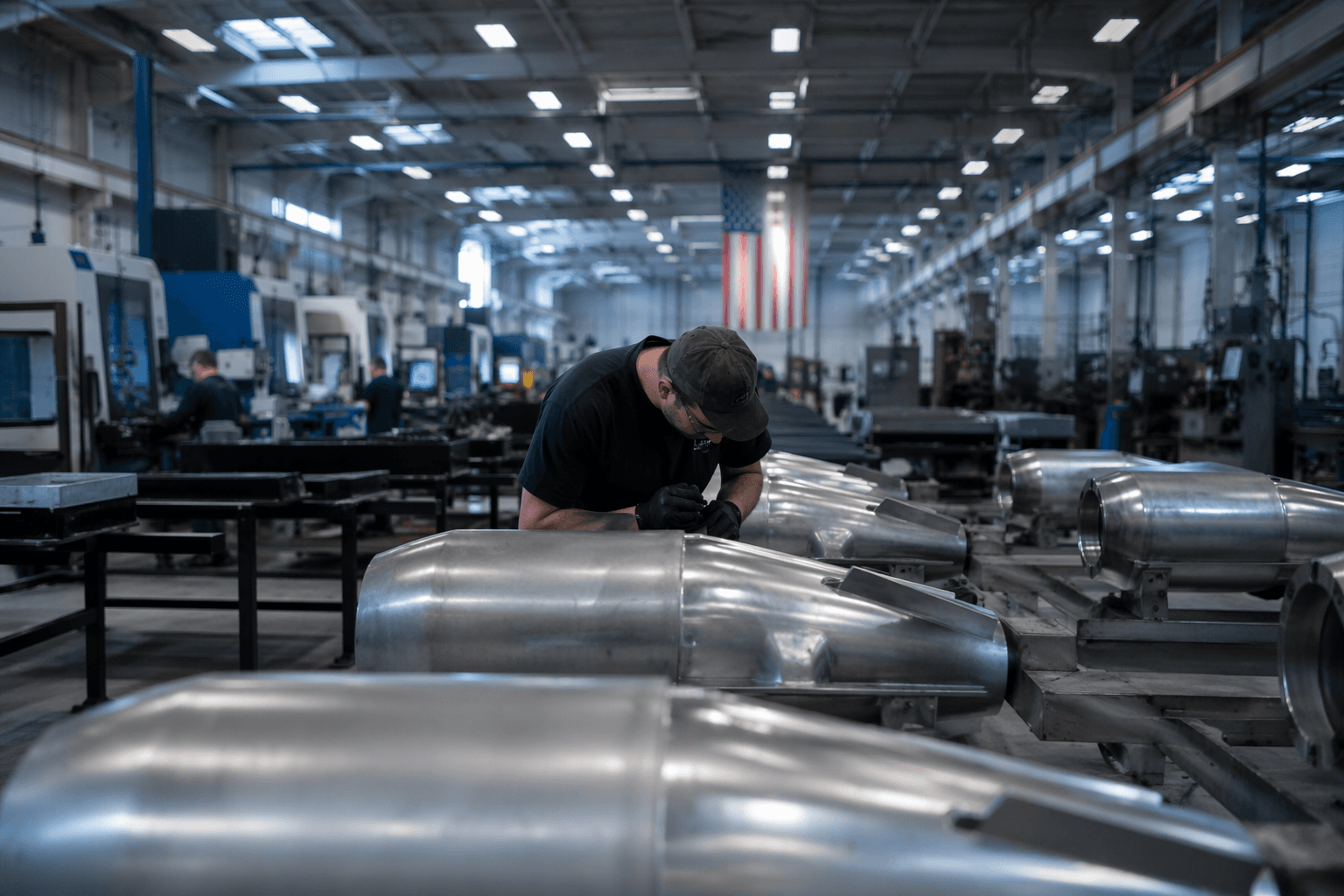
Precision Additive Launches PA-300, AI-Driven High-Speed LPBF Metal 3D Printer
Precision Additive launched the PA-300, an AI-driven LPBF metal 3D printer the company says is its fastest printer ever and built for qualification-ready, mission-critical parts.
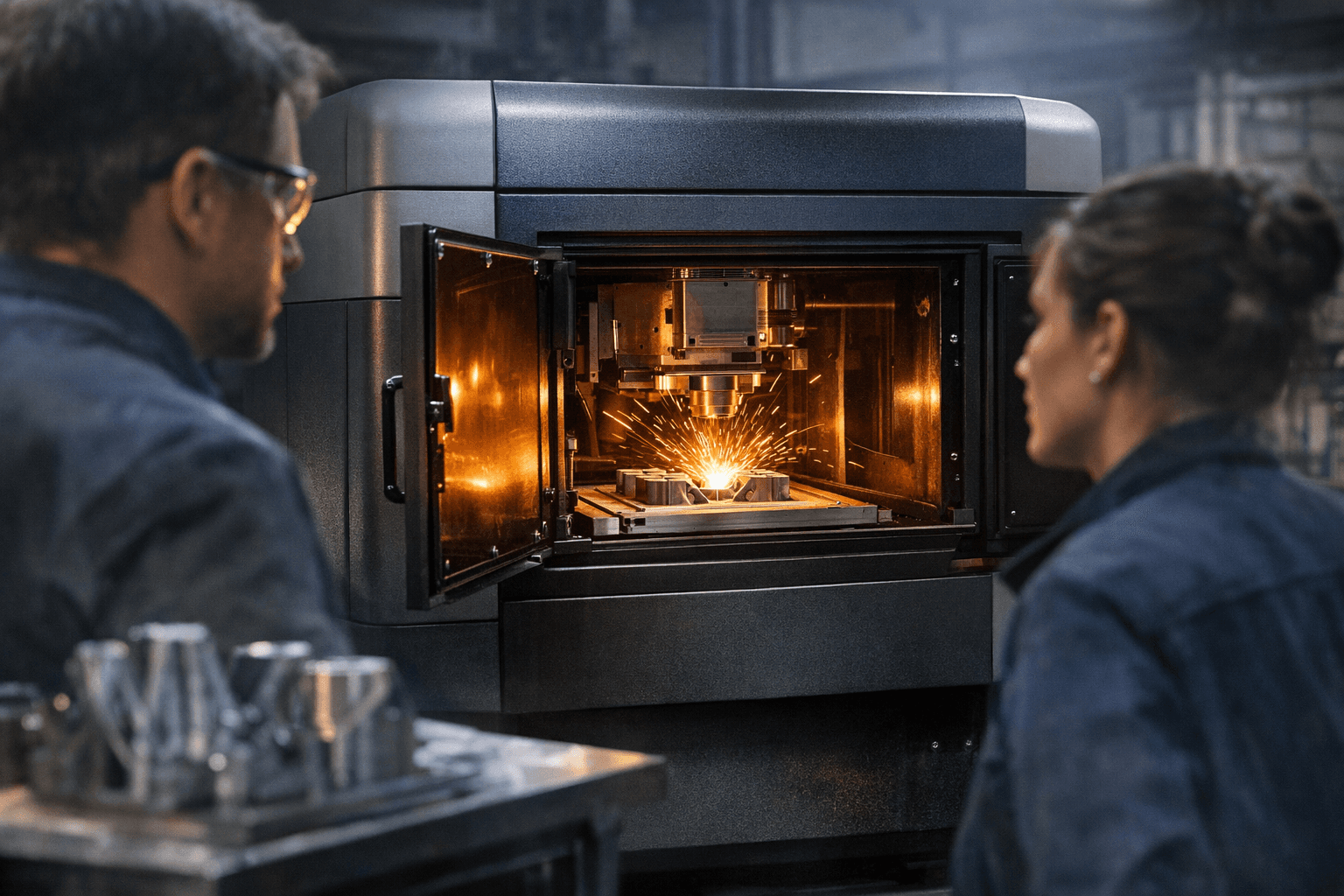
Precision Additive unveiled the PA-300, a new laser powder bed fusion (LPBF) metal 3D printer the company says combines a proprietary high-performance laser, embedded AI, and a data-driven qualification framework to move metal AM toward production-scale, qualification-ready parts.
The company, headquartered in Noblesville, Indiana, announced the PA-300 on January 28, 2026. Precision Additive described the machine as built to produce high-quality, qualification-ready components for defense, aerospace, energy, medical, and other mission-critical applications that demand reliable US-based manufacturing. "It's the fastest printer ever made using its proprietary SSLM laser technology and built with intelligence powered by AI architecture," the company said in its announcement.
Technically, the PA-300 is centered on a proprietary SSLM laser and an AI stack Precision Additive says was developed in deep collaboration with NVIDIA. The company says its AI framework supports real-time process optimization, predictive quality assurance, and scalable qualification workflows. Precision Additive also promotes a qualification framework it calls Precision Additive Qualification (PAQ) that it says ensures consistent, repeatable results from build to build.
The company lists materials and capabilities that matter to production users: the PA series is configured to print alloys including magnesium, tungsten, and copper. Precision Additive and companion materials notes emphasize that the platform and PAQ make it possible to print magnesium alloys, a capability that could be significant for teams tackling lightweight structural parts if safety and qualification protocols are demonstrated. Precision Additive also highlights advanced optics, machine controls, and data-driven process validation as part of its system architecture.
Performance claims include a manufacturer statement that the PA-300 is the company's fastest printer ever and external coverage has indicated the SSLM laser "reportedly enables build speeds up to 10 x faster than other PBF-LB AM machines." Precision Additive frames its AI as embedded monitoring that corrects deviations in real time and as a tool for predictive quality assurance; the company states that "Embedded AI continuously monitors the build and automatically corrects deviations in real time."
Precision Additive positioned the PA series for secure domestic production and defense supply chain resilience. Jon Haase, Chief Strategy Officer and President of Government Business, said: "As defence programmes face fragile supply chains and increasing reliance on foreign sources for high-complexity parts, domestic manufacturing capability has become essential to readiness. The PA machines are designed to restore secure US-based production. These machines are critical to US defence and exceed international printers."
Some technical and marketing claims warrant verification before the PA-300 is treated as an industry benchmark. Public materials vary on what SSLM stands for, alternately listing it as "Scanning Super Laser Melt" and "Selective Stepped Laser Melting," and Precision Additive has not published full benchmarking methodology or detailed PAQ documentation in the public materials reviewed. Availability, pricing, lead times, and independent test data were not disclosed in the announcement.
For builders, suppliers, and procurement teams, the PA-300 is a machine to watch: it promises higher throughput, embedded AI controls, and support for challenging alloys that can expand onshore manufacturing options. Next steps will be technical whitepapers, machine demonstrations, alloy qualification data, and third-party benchmarks that confirm whether the printer meets the aggressive speed and qualification claims.
This article was produced by Prism’s automated news system from verified source data, official records, and press releases, then run through automated quality and moderation checks before publishing. The system is built and supervised by the people who set the standards it runs under. Read our full AI policy.
Did this article answer your question?