Prusa Research's New Open Community License Sparks Maker Community Debate
Prusa Research released CORE One CAD files under a new Open Community License, but legal commentators say the license's "commercial use" wording may be a translation error.
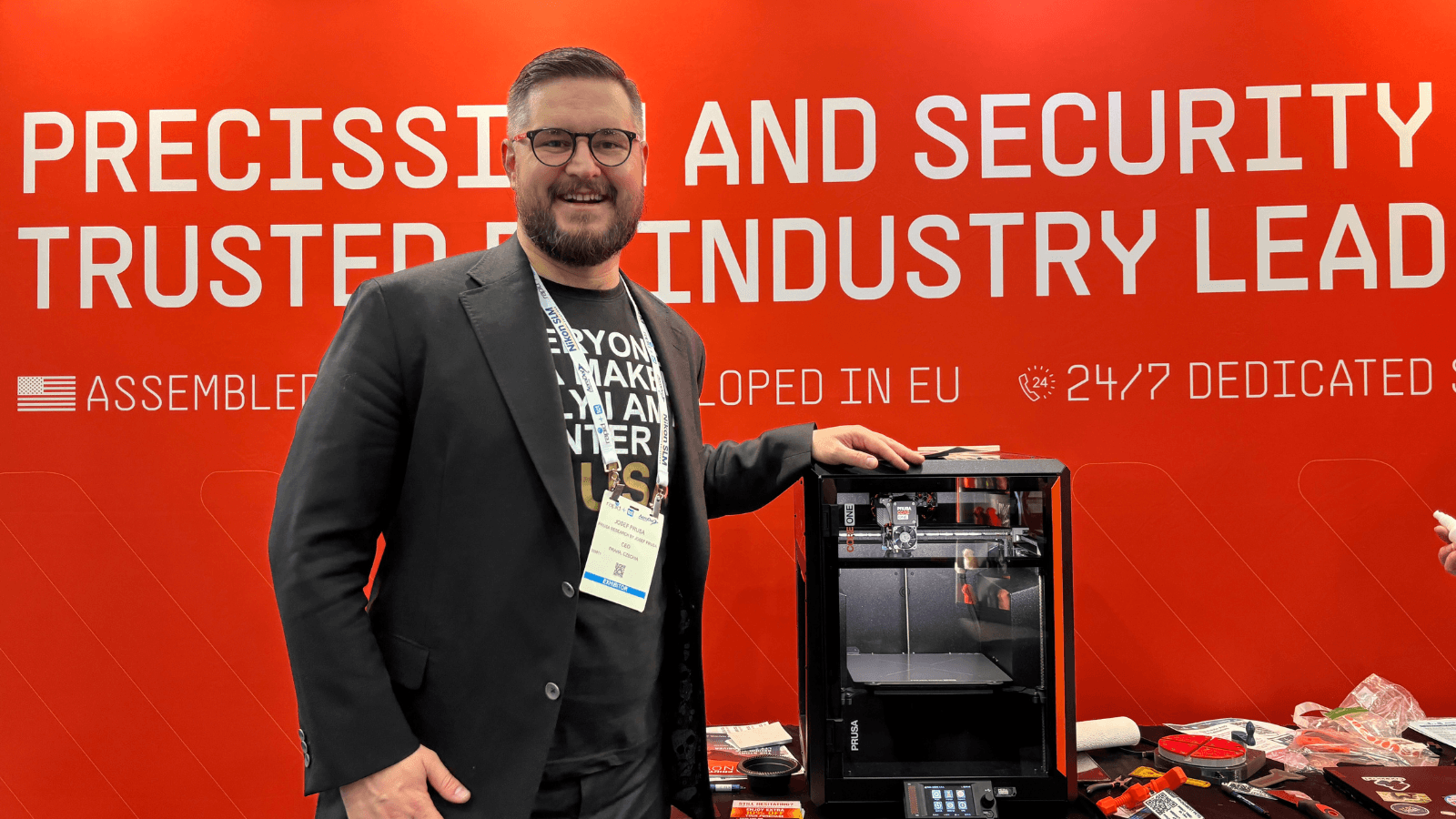
Prusa Research's new Open Community License arrived with a clear purpose: stop patent trolls from preying on the maker community. What it sparked instead was a community-wide argument about whether the license itself might cause as many problems as it solves.
The Czechia-based printer manufacturer released CAD files for both the CORE One and CORE One L enclosures under the newly drafted OCL v1, putting its own hardware on the line to demonstrate confidence in the license. The move came alongside a concrete act of legal muscle: Prusa Research attorneys filed a request with the U.S. Patent and Trademark Office to invalidate what the company characterized as a bogus patent. The patent at issue had been asserted against a maker whose snap-together action figure design was patented by a third party without his knowledge; that party then sold the figurines and sent takedown notices not just to alleged infringers but to the original creator himself. Prusa is also funding the legal defense of Soozafone, a popular Printables creator who had published models under a Creative Commons license and subsequently ran into patent trouble of his own.
Josef Průša framed the OCL as a direct response to existing licenses that "were created with different conditions and applications in mind," according to Hackster Io's coverage of his blog post on the release. The goal, Průša stated, is to build a coalition around the OCL and defend designers who publish under it.
But on March 19, 2026, Adafruit published a critical line-by-line analysis of OCL v1, and the legal community's reaction has been pointed. Kyle E. Mitchell, writing at /dev/lawyer, described the license as "an unusual non-commercial hardware-software combo license" and flagged what he believes is a drafting error in one of its core clauses. The OCL states: "YOU MUST NOT modify the product and/or its components for any commercial purpose other than your internal production use." Mitchell called this formulation redundant. "No need to say 'YOU MAY solely do X', and then also say 'YOU MUST NOT do the opposite of X,'" he wrote, adding: "Perhaps it was a translation error."
Mitchell's commentary, published under the alias Writing Kemitchell, also identified a deeper structural problem: the license never defines "commercial" or "non-commercial." Without those definitions, he noted, U.S. courts would be left reading contextual hints, including the license's apparent association of "commercial" with "BUSINESS USER." He also flagged that the phrase "derived from" carries significant interpretive weight in determining whether the share-alike provisions apply to work done on 3D printers versus work done with them, and said the current wording is too imprecise for a generic license meant to be adopted by anyone for any kind of project.
Mitchell did credit Prusa on one point: "Versioning is good. I'd've liked to see a more distinctive name."
Not everyone is reading the OCL through a legal skeptic's lens. One commenter on MakerWorld offered a different kind of worry entirely, directed not at ambiguous clauses but at a potential industry overcorrection: "[P]lease for the love of all that is good, do not use this nasty behavior as a reason to introduce DRM headaches into the 3D printer ecosystem. It will just cause a ton of issues, and I hope this is not the intent, but I do worry."
The historical stakes behind the debate are real. Tom's Hardware noted that MakerBot took a similar pivot in 2012, patenting its technology and moving to proprietary printers after open-source clones undercut its sales. The result was a collapse of community trust that Prusa Research itself was built to fill, becoming the dominant open-source printer manufacturer and launching Printables as a design-sharing platform that also lets creators sell downloads.
Whether OCL v1 threads that needle, protecting makers without restricting them, depends heavily on whether Prusa addresses the drafting concerns critics have already raised.
This article was produced by Prism’s automated news system from verified source data, official records, and press releases, then run through automated quality and moderation checks before publishing. The system is built and supervised by the people who set the standards it runs under. Read our full AI policy.
Did this article answer your question?