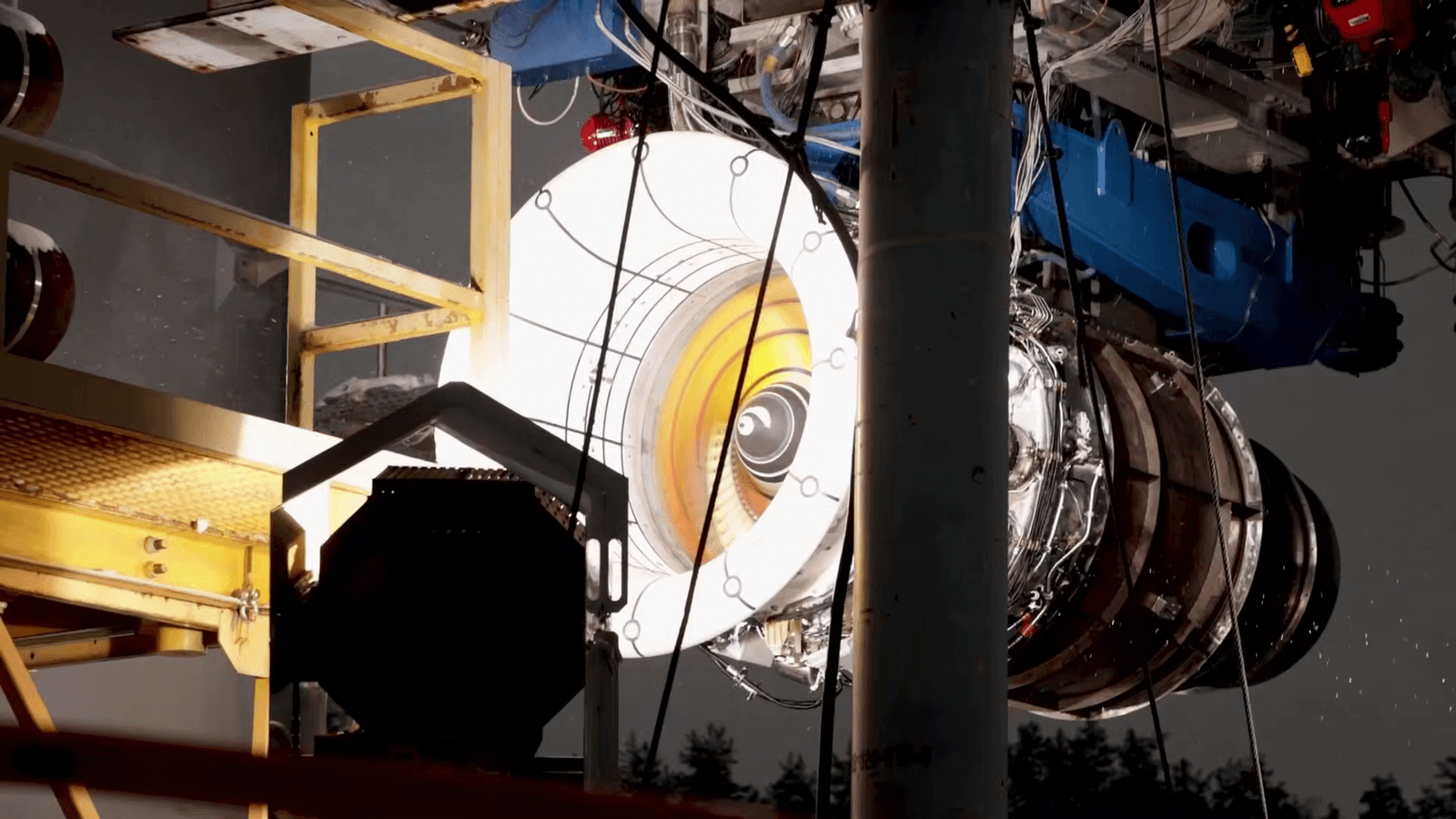
R3 Printing emerges with production-focused 3D printer platform
R3 Printing is shipping a base extrusion platform now and an Ultra on August 31, betting on uptime, thermal headroom, and broad materials handling.
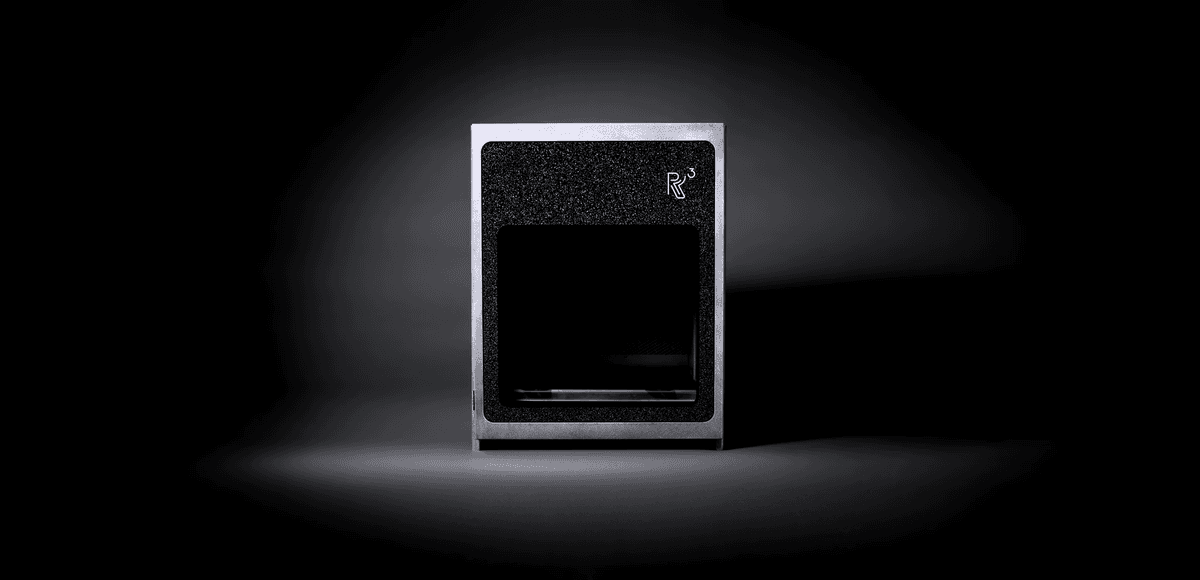
R3 Printing came out of stealth with a familiar but still important pitch for desktop extrusion’s next phase: build a material-extrusion platform that can hold up in production, not just on a bench. After eight years of development, the company put the R3 Printer up for order and set the R3 Printer Ultra to begin shipping on August 31, 2026.
That push makes more sense once you look at where the company came from. Founders Paul Sieradzki and Petra Wood had already been running a 3D printing service when they hit the wall many service bureaus know too well: existing technology could not scale cleanly. R3’s own description says desktop systems were unreliable and labor-intensive, while enterprise machines were built and priced in a way that shut out the very businesses they claimed to serve. The company has framed its mission as making additive manufacturing more scalable, efficient and profitable for businesses, and this launch reads like a direct attempt to close that gap.
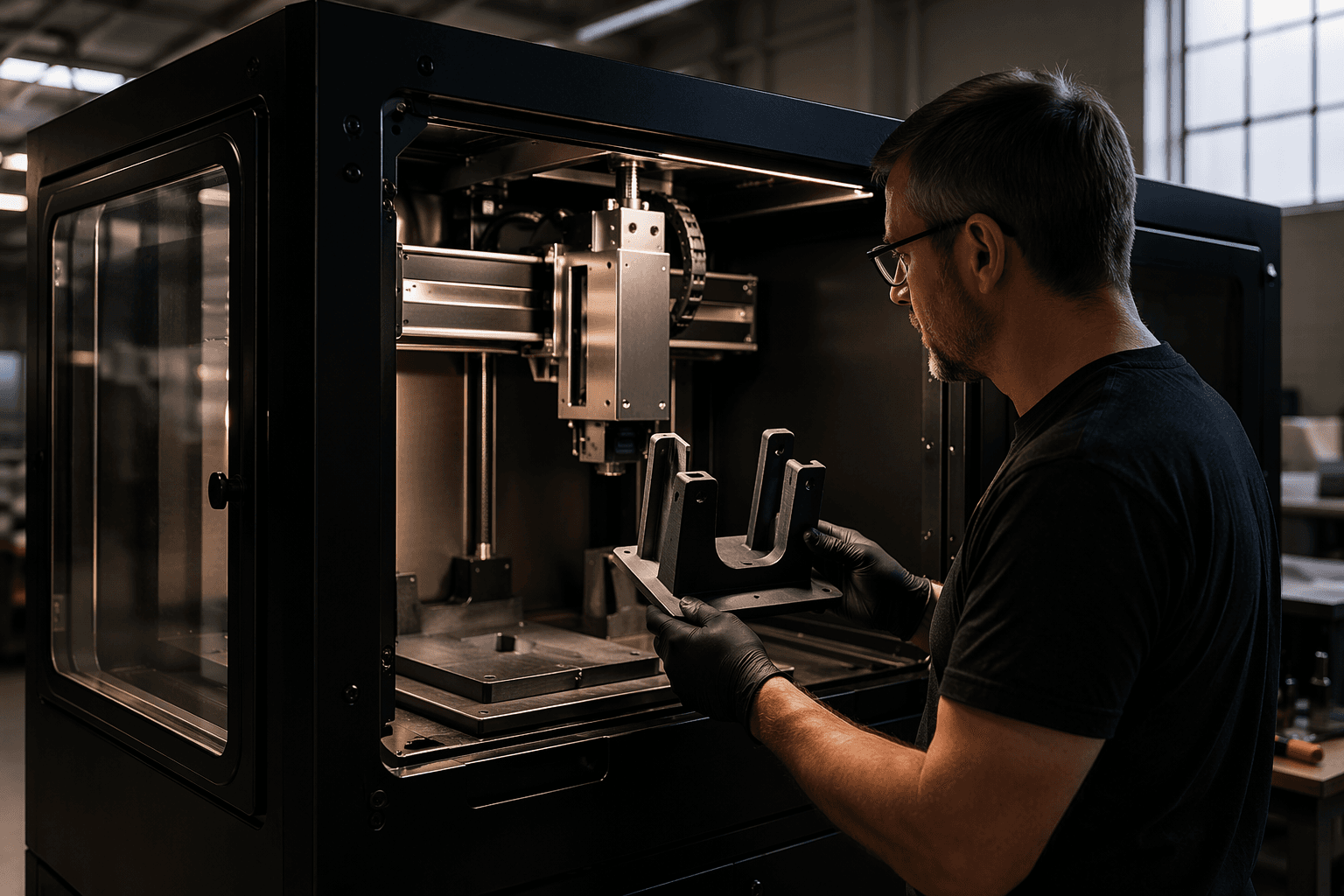
The product split tells you where R3 sees the market. The base R3 Printer is aimed at the vast majority of production applications and is built around advanced materials and reinforced polymers. Its supported material list is broad by any practical FDM standard, covering ASA, PC, PA, CoPA, PP, PPS, PPE, PPA, PVDF, ABS, PLA, PETG, PCTG, HIPS, PVA and BVOH. The Ultra goes further up the stack, targeting ultra-performance polymers such as PEEK, PEKK and PEI/Ultem. R3 says the Ultra needs a 20-amp outlet, and third-party coverage places it with a 150°C chamber and a 235°C bed, which lines up with a machine built for the hotter end of the materials chart.
There is also a longer arc here than a simple product launch. Public filings show R3 Printing, Inc. was formed as a Delaware corporation on March 12, 2018, and the company reported 11 granted utility patents plus 6 pending utility patent applications as of December 31, 2024. That kind of paper trail suggests the platform has been under development for years rather than rushed out to catch a trend.
For serious hobby and prosumer users, the takeaway is straightforward. R3 is not selling novelty features or a flashy desktop gimmick. It is betting that the next round of meaningful FDM progress will come from better thermal control, more disciplined materials handling and fewer compromises in day-to-day production, the same things that separate a promising printer from one that can actually live on a factory floor.
This article was produced by Prism’s automated news system from verified source data, official records, and press releases, then run through automated quality and moderation checks before publishing. The system is built and supervised by the people who set the standards it runs under. Read our full AI policy.
Did this article answer your question?