Relativity Space’s 3D-printed Terran 1 nose cone survives launch stress test
Terran 1’s 3D-printed nose cone made it through Max-Q, a key stress test for Relativity Space’s 85% printed rocket before its upper-stage anomaly.
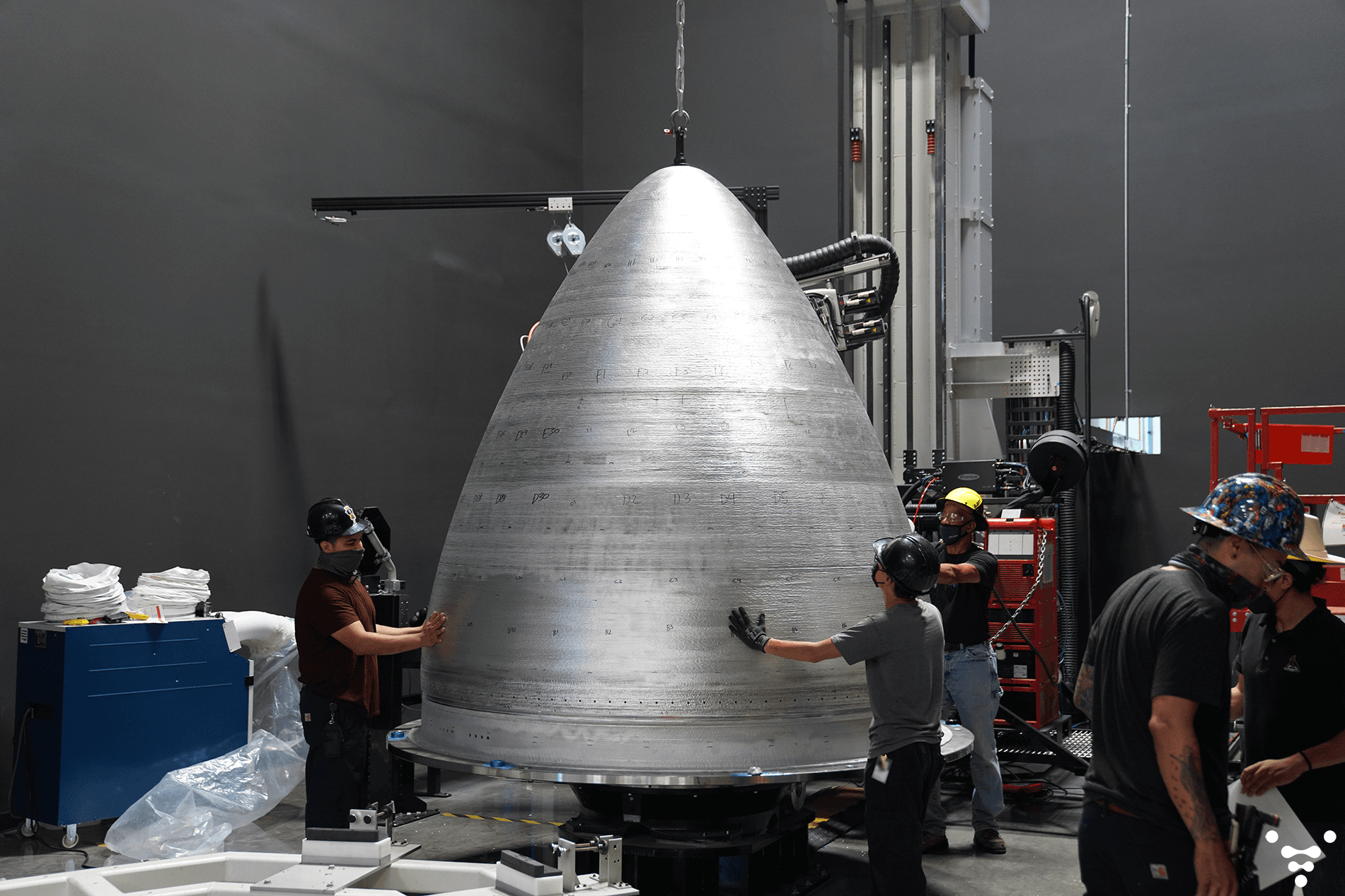
Relativity Space’s 3D-printed Terran 1 nose cone made it through Max-Q, the harshest part of launch, and gave hobby printers a rare aerospace proof point: a printed structure surviving the kind of vibration and pressure that normally punishes much heavier, traditionally built hardware. The company said Terran 1 successfully passed that stage on its first and only flight, turning the nose cone into the sharpest public test yet of what large-format additive manufacturing can absorb.
Terran 1 lifted off from Launch Complex 16 at Cape Canaveral Space Force Station in Florida on March 22, 2023 at 11:25 p.m. EDT, with the flight crossing into March 23 UTC. Relativity Space called the mission its first pathfinder vehicle, and later said it was the first 3D-printed rocket to fly and pass Max-Q. The rocket stood about 110 feet tall, measured 7.5 feet wide, and was 85% 3D-printed by mass. Spaceflight Now put the structural mass at about 20,458 pounds, or 9,280 kilograms.

That scale mattered because the printed hardware was not just cosmetic shellwork. NASA’s Marshall Space Flight Center said Terran 1 was the first launch of a test rocket made entirely from 3D-printed parts, including nine additively manufactured engines built from an innovative copper alloy that saw temperatures approaching 6,000 degrees Fahrenheit. Before launch, a small metal ring, one of Relativity’s early printed test articles, rode inside the nose cone as a token payload, a quiet marker of how far the company had pushed the process from bench sample to flight article.
The rocket did not reach orbit. Its upper stage suffered an anomaly, and the mission ended after the vehicle had already reached space and cleared the structural hurdle that mattered most to printed hardware. Relativity later retired Terran 1 after the flight and shifted focus to Terran R, folding in lessons from LOX-methane propulsion, the gas-generator combustion cycle, guidance, navigation and control, flight software, structural dynamics, and aerothermodynamics.
For the 3D-printing world, that nose cone’s real milestone was not orbit. It was surviving launch load while carrying the weight of a design philosophy that hobbyists already know by heart: stronger geometry, smarter material choice, and print-first engineering can travel a long way before the hardware does.
This article was produced by Prism’s automated news system from verified source data, official records, and press releases, then run through automated quality and moderation checks before publishing. The system is built and supervised by the people who set the standards it runs under. Read our full AI policy.
Did this article answer your question?