Scan-to-Inspection Tools, Two-Photon Labs, Training Grants, Microneedle Breakthroughs for Makers
Integrated scan-to-inspection tools, two-photon lab access, training grants, and microneedle advances widen opportunities for makers and local labs.
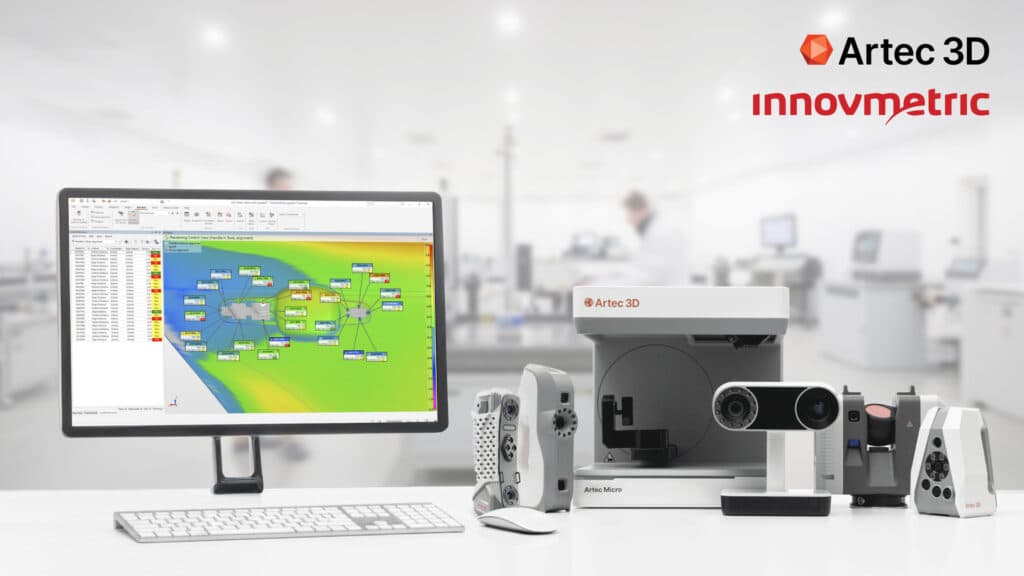
| A cluster of announcements and research updates on January 21, 2026 tightens the link between scanning, microfabrication, workforce training, and biomedical printing that matters for makers, lab managers, and small manufacturers. Artec 3D's new global partnership with InnovMetric to integrate PolyWorks | Inspector into Artec’s inspection workflow promises a more direct path from 3D scan to GD&T-capable inspection. Nanoscribe opened a Quantum X demolab in Shanghai to give users hands-on access to Aligned Two-Photon Lithography (A2PL). Ohio State University’s Center for Design and Manufacturing Excellence received a $344,000 SBA grant to upskill regional small manufacturers, including hands-on exposure to 3D printing. Chinese researchers reported progress on projection micro-stereolithography-printed barbed microneedle electrodes for integrated wound management. |
|---|---|
| The Artec-InnovMetric integration targets a perennial pain point: getting a clean scan into an inspection-ready workflow for quality control. PolyWorks | Inspector is established metrology software for GD&T analysis, and embedding it directly into Artec’s scanning chain should cut manual processing steps and reduce geometry-translation errors. For makers and maker spaces that supply prototype inspection or short-run production parts, this means faster validation loops and clearer pass-fail criteria when fitting printed parts to assemblies or retrofit fixtures. |
Nanoscribe’s Quantum X demolab brings A2PL out of the black box and into hands-on feasibility testing. Two-photon lithography operates at micro- and nanoscale and is often used to validate micro-optics, microfluidic features, and high-resolution molds. Giving industry and academic users physical access to a Quantum X align system accelerates lab-to-fab testing: designers can iterate on true sub-micron geometries without buying a full system, and resin microfabrication workflows can be tuned before committing to in-house equipment.
Workforce development is the third pillar. The $344,000 SBA grant to Ohio State CDME funds an upskilling program aimed at small manufacturers and includes practical 3D printing exposure. That injection of training dollars supports regional capacity building and creates an on-ramp for technicians to learn additive manufacturing inspection, post-processing, and part qualification practices that increasingly matter on shop floors and in community labs.
Finally, the projection micro-stereolithography microneedle research shows how accessible microfabrication techniques continue to push into biomedical territory. The barbed microneedle electrodes combine retention geometry for dressings with integrated biosensing and on-demand drug delivery functionality. For community labs, this underscores both the potential of projection micro-SLA to produce functional microdevices and the need to stay mindful of safety, ethical, and regulatory constraints when experimenting with biomedical applications.
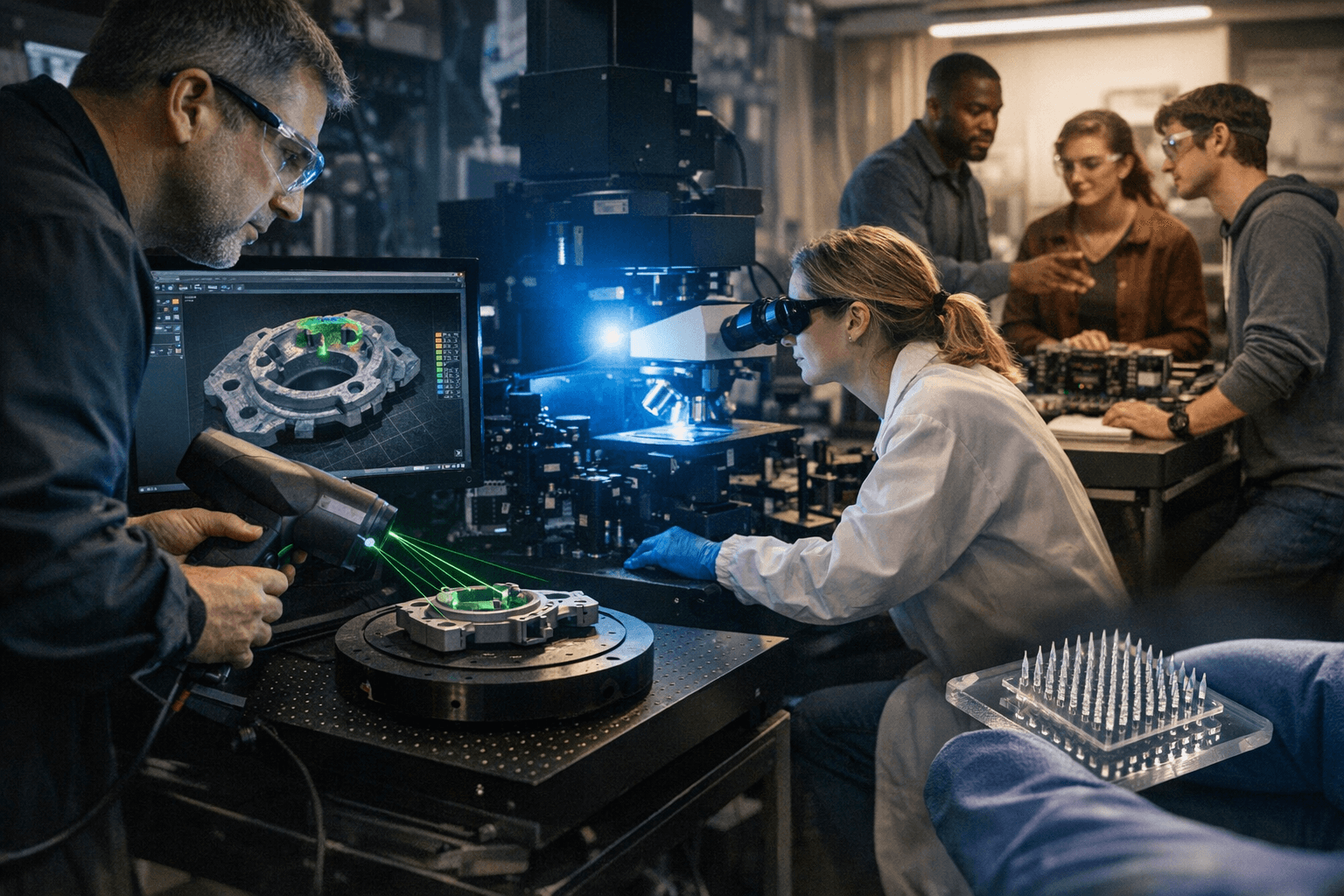
Taken together, these developments lower friction across the prototype-to-production chain: scanning into inspection, hands-on microfabrication testing, workforce training that includes AM skills, and research demonstrating new functional microdevices. Expect local labs to update toolchains, and plan training sessions that pair scanning, inspection, and microfabrication workflows so you can move faster from idea to verified part.
Know something we missed? Have a correction or additional information?
Submit a Tip