Scientists suspend 3D prints in gel for complex geometries
MIT and UT Austin are printing complex parts inside gel baths, and the closest hobby crossover is smarter support strategy, not a new desktop machine.
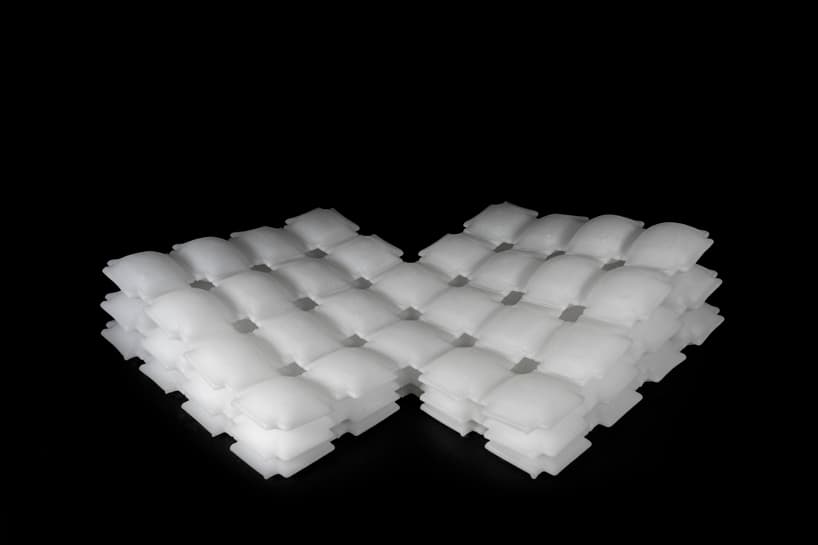
MIT’s Self-Assembly Lab has been printing inside a gel suspension, physically drawing in 3D space to make large, customized products from real-world materials. For 3D printing readers, the closest comparison is not a new filament or a smarter support tree, but a different way of holding a part in place while it is being formed, one that sits somewhere between today’s support workflows and the clean geometry tricks people already chase with soluble supports and resin.
At the University of Texas at Austin in Austin, Texas, the CRAFT method points to the most practical desktop lesson in the story. UT Austin says the process uses widely available materials and inexpensive commercial 3D printers, yet it can produce affordable, realistic replicas as structurally complex as a human hand. That makes it the clearest bridge from lab method to maker mindset: the machine does not have to be exotic if the process is doing the heavy lifting.
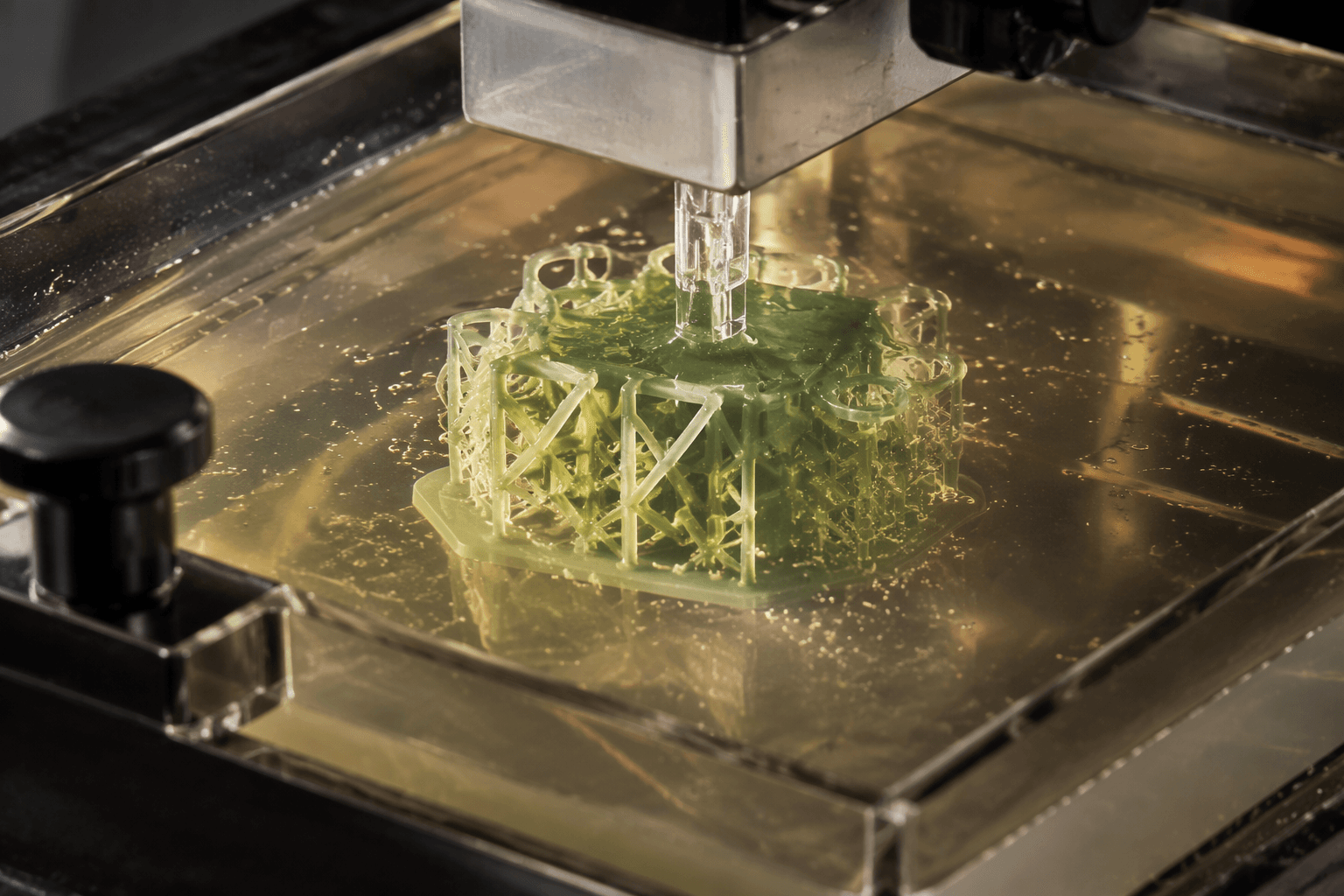
The biomedical side shows why gel-based printing keeps attracting attention. Peer-reviewed literature on 3D bioprinting describes gel-based suspension media for constructing tissue and organ analogs, while other studies frame embedded 3D bioprinting and support baths as emerging strategies for fabricating biomimetic and large vascularized tissue constructs. A review titled Biofabrication in suspension media-a decade of advances places that work in a field that has been building for roughly ten years, not a one-off experiment.
That is also where the hobby crossover stops for now. The parts of this technique that look immediately useful are the ideas behind it: print in a medium that stabilizes difficult geometry, and rethink support generation as part of the build environment rather than a cleanup problem after the print. The parts that remain lab-only are the gel bath systems themselves, the advanced manufacturing setups around Rapid Liquid Printing, and the bioprinting workflows aimed at tissue analogs instead of bench-top parts.
MIT’s gel suspension and UT Austin’s low-cost replica work show the same pressure point from different angles: complex shapes are no longer limited to expensive hardware. The real near-term influence on desktop printing is likely to come through workflow thinking, not consumer machines built around a vat of gel.
This article was produced by Prism’s automated news system from verified source data, official records, and press releases, then run through automated quality and moderation checks before publishing. The system is built and supervised by the people who set the standards it runs under. Read our full AI policy.
Did this article answer your question?