Scrap 1 brings sub-$10,000 metal 3D printing to small shops
Scrap 1 starts at $9,600, but the real test is whether a 30 kg LPBF machine can actually fit a small shop’s budget and workflow.
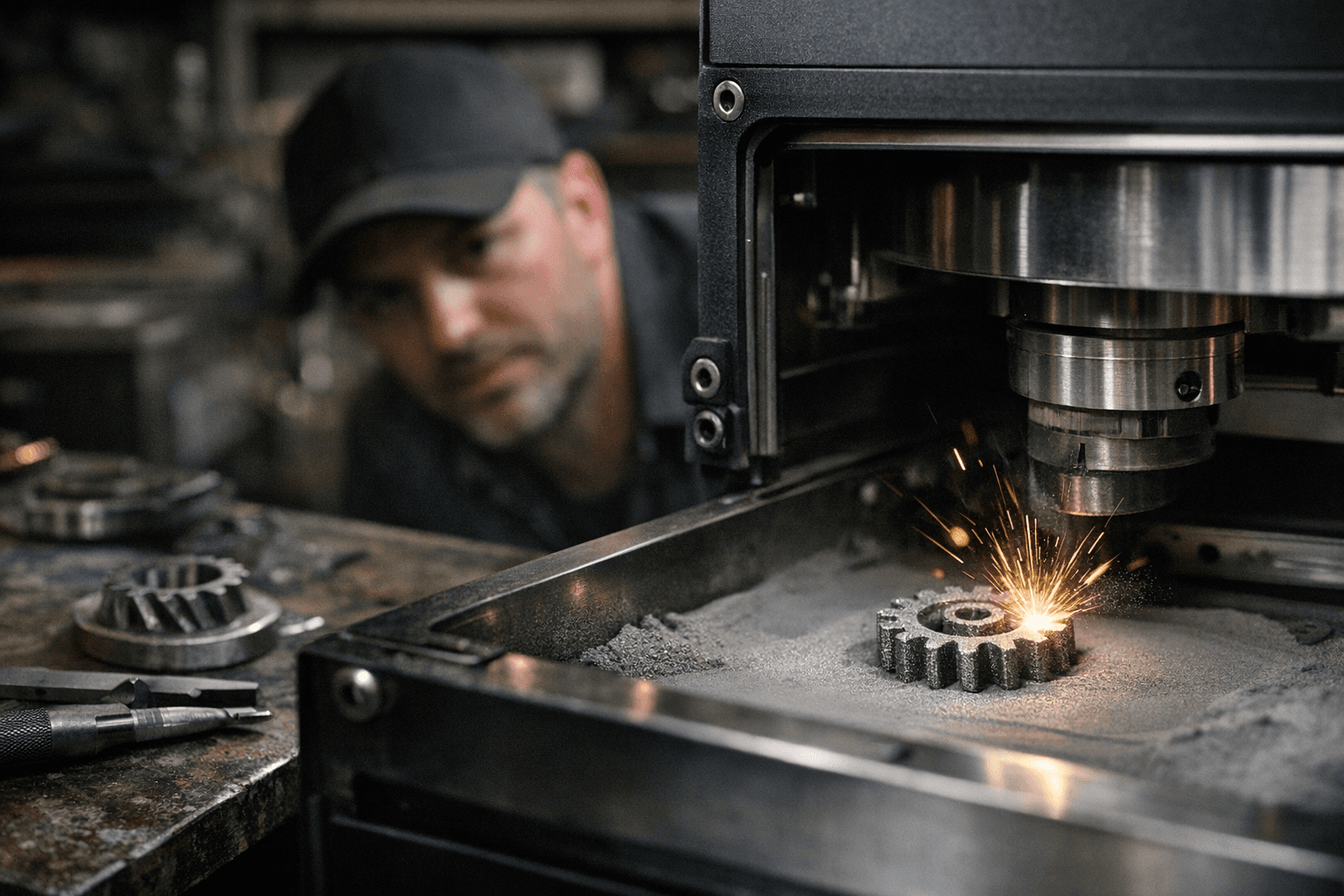
Is sub-$10,000 metal printing a real maker-market shift, or still a prosumer fantasy? Scrap Labs’ Scrap 1 makes the answer harder to dismiss, because this compact laser powder bed fusion machine is not being pitched as a lab curiosity. It was shown at the Rocky Mountain RepRap Festival in Loveland, Colorado, and Scrap Labs says it is meant for people who want metal printing in their own shops, labs, and small production spaces.
The hardware itself is the part that gets attention first. Scrap 1 uses a 200W, 915 nm laser and a 100 x 100 x 100 mm build volume, which puts it squarely in compact production territory rather than general-purpose fabrication. Scrap Labs also says the machine works with ScrapSlicer, PrusaSlicer, and OrcaSlicer workflows, a notable detail for users who already know their way around slicer settings and process tuning. One report puts the system at 30 kg and says it runs on 100-240V single-phase input, with shipments expected to begin in early 2027.
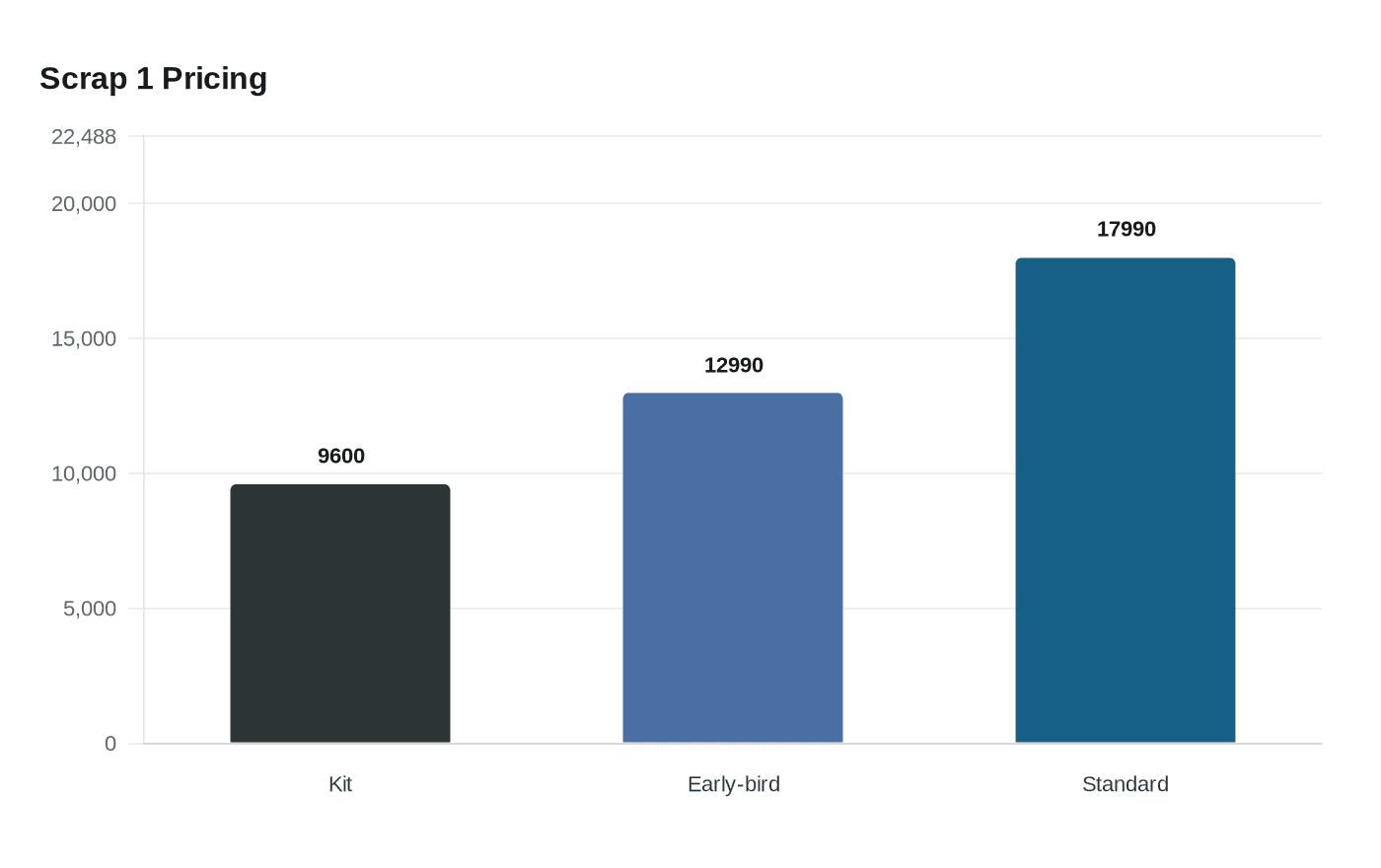
Pricing is where Scrap 1 turns heads. Scrap Labs’ launch pricing starts at $9,600 for kits, with early-bird assembled systems at $12,990 and standard assembled pricing at $17,990. That still makes it a serious purchase, not a casual upgrade, but it is also a dramatic break from the metal AM market most people know. Typical LPBF systems have generally cost well over $100,000, and lower-cost LPBF systems around $50,000 to $60,000 are only now starting to appear as breakthrough products.
That gap is why Scrap 1 matters. The company is trying to push metal additive manufacturing into a class of buyer that has usually been shut out: small shops that need real metal parts, prototype labs that want more than polymer, and repair businesses that cannot justify a six-figure machine. Scrap Labs describes the system as a cost-optimized, transparent, serviceable platform built from off-the-shelf parts, which is exactly the kind of language that speaks to operators who care as much about uptime and serviceability as they do about layer quality.
The hard questions are the ones that decide whether this becomes a workshop tool or a headline machine. Material availability, safety, post-processing, maintenance, and how much cleanup the workflow demands will matter more than the launch pitch. Scrap Labs says it wants to make advanced metal printing far more accessible, and Scrap 1 is the clearest sign yet that the category is moving downward in size and price. The machine does not make metal printing cheap, but it does make it small enough for a small shop to start running the numbers.
This article was produced by Prism’s automated news system from verified source data, official records, and press releases, then run through automated quality and moderation checks before publishing. The system is built and supervised by the people who set the standards it runs under. Read our full AI policy.
Did this article answer your question?