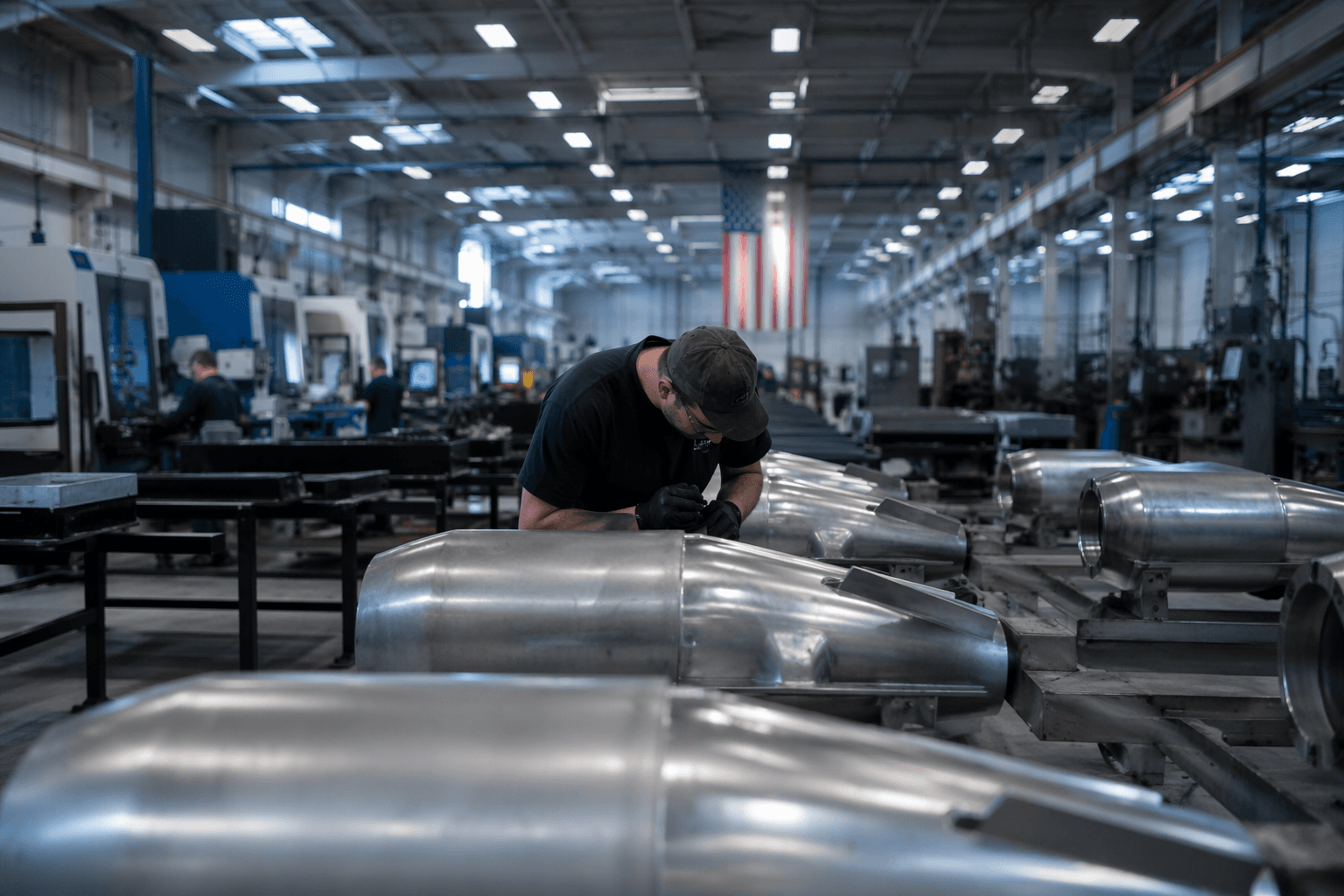
Sgt Volpe develops HANX, $700 modular 3D-printed NDAA-compliant drone
Sgt Henry David Volpe led development of HANX, a low-cost, modular 3D-printed drone that meets NDAA rules and could widen access to field-repairable, print-and-fly platforms.

Sgt Henry David Volpe led the development of HANX, described as the Marine Corps’ first National Defense Authorization Act (NDAA)-compliant 3D-printed drone. The platform was unveiled in early February and is notable for an estimated unit cost of about $700, its modular architecture, and parts designed to be simple to print.
HANX matters to makers and small-scale operators because it brings military procurement-compliant design thinking into an accessible price bracket. NDAA-compliant status signals that the design was created with U.S. procurement rules in mind, which affects what components and supply chains are permitted. That compliance opens the possibility of wider adoption by U.S. units and civilian organizations that must meet the same restrictions, and it reduces a legal and logistical hurdle that often limits transfer of military-capable projects to domestic labs and makerspaces.
The drone’s modular approach emphasizes swap-and-replace components and straightforward maintenance. Modular framing and component bays make it easier to replace damaged sections, swap payloads, or use off-the-shelf actuators and flight controllers that fit the design. The reported $700-per-unit price point changes the economics for training, experimentation, and local field repairs: units can deploy multiple airframes without a large procurement line item, and community-run labs can evaluate hardware in real operating conditions without breaking their budgets.
For the 3D-printing community, HANX presents several practical takeaways. Designers can study how to combine legal compliance with additive manufacturing constraints, balancing print time, material choice, and structural reinforcement. Build groups and makerspaces can use HANX as a blueprint for designing print-friendly mounts, standardized servo bays, and repair kits that prioritize fast turnarounds on a build plate. The design also highlights the importance of supply-chain planning for hobby projects that aim to be useful outside the workshop, not just on the bench.
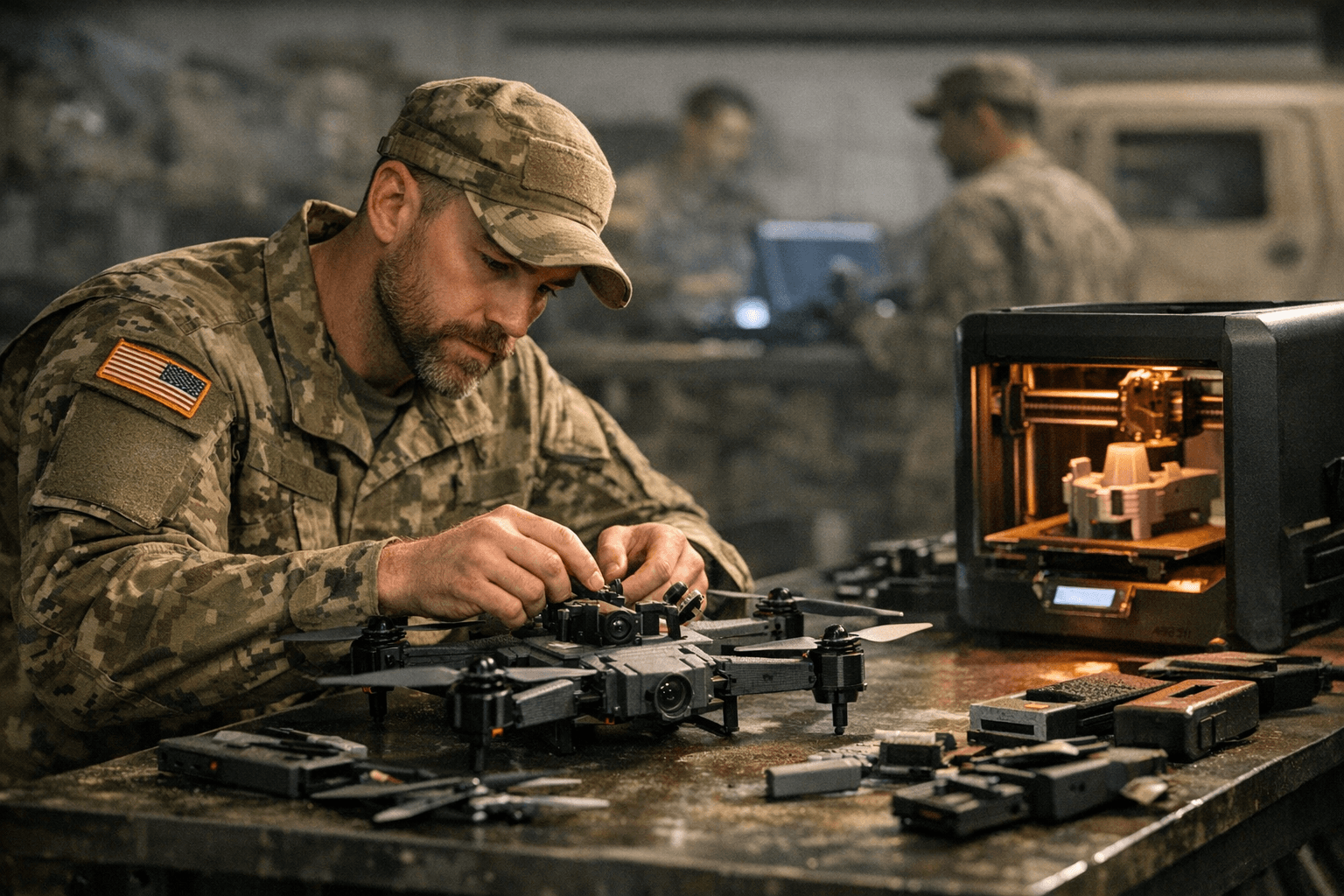
HANX’s emergence also tightens the feedback loop between defense engineering and hobbyist innovation. When a service member like Sgt Henry David Volpe leverages 3D printing to produce low-cost, modular airframes, it points to a future where field-driven prototypes inform community toolkits and where community innovations inform procurement-friendly designs.
What comes next is practical: monitor whether HANX design files, build notes, or component lists are released for broader testing, and consider how to adapt modular, compliance-aware practices to your own projects. For builders focused on resilience and repairability, HANX is a case study in making capable, low-cost aerial platforms that are meant to be printed, fixed, and flown again.
This article was produced by Prism’s automated news system from verified source data, official records, and press releases, then run through automated quality and moderation checks before publishing. The system is built and supervised by the people who set the standards it runs under. Read our full AI policy.
Did this article answer your question?