Shining 3D patent targets thicker, high-viscosity resin printing
Shining 3D’s new patent goes after the ugly part of resin printing: thick, filled resins that slow down, separate, and fight the vat.
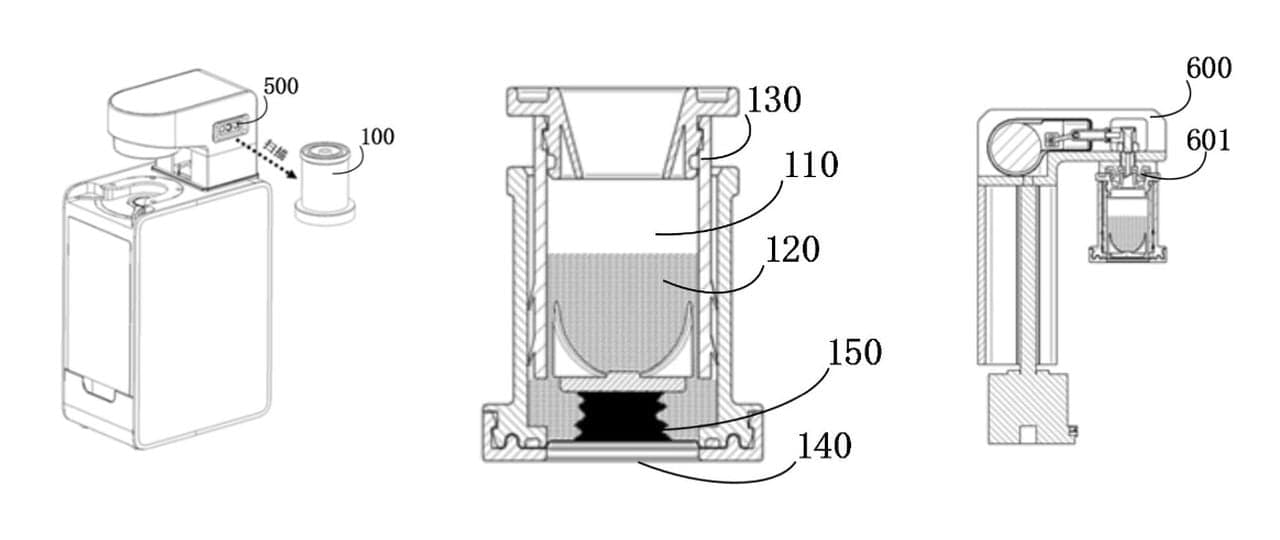
Thick resin is where desktop photopolymer printing starts to get messy, and Shining 3D’s CN122077923A patent goes straight at that pain point. The filing, published by China’s National Intellectual Property Administration on May 26, 2026, describes a sealed resin-printing system for clinical jobs, especially dental restoration and surgical guides, where biocompatible high-viscosity materials are becoming harder to ignore.
The core idea is a closed forming module with a transparent component on one side and a build platform on the other. Before a print starts, the machine pressure-tests the chamber and watches the pressure data over a preset period to check the seal. During printing, it moves the platform away from the transparent window while charging air into the chamber, a setup meant to help separate the part from the optical surface. The patent also describes stirring by moving the build platform back and forth and alternately charging and discharging air, plus a marker unit that reads material-property information and dynamically adjusts execution parameters.
That matters because Shining 3D Dental has already been spelling out the problem in plain language. Crown-and-bridge resins often need fillers such as zirconia and ceramic powder, which raise viscosity and crush fluidity. Ordinary printers then have to slow down, specialized machines can get expensive and narrow in scope, and traditional heating can create uneven temperatures that hurt accuracy. In other words, the patent is trying to solve the same things resin users complain about now: sedimentation, spills, fumes, and prints that get unreliable the moment the material stops behaving like a standard low-viscosity vat resin.

The larger backdrop shows why this is not just an isolated filing. In 2023, Nature Communications reported a linear scan-based vat photopolymerization system that could handle UV-curable resins above 600,000 cps, far beyond the roughly 5,000 cps level often associated with conventional printable resins. Carbon’s DLS and CLIP process has also leaned on oxygen-permeable optics to keep continuous resin printing moving. Shining 3D, founded in 2004 and based in Hangzhou, has its own dental stack already in market, including the AccuFab-F1, which is marketed with dual heating modules for the platform and resin tank and is aimed at high-viscosity or high-ceramic-filler materials.
That is what makes this patent worth watching. If Shining 3D can turn a sealed, pressure-assisted workflow into a real machine, it could widen the range of specialty resins that make sense outside industrial shops. If it stays a paper concept, though, it is just another promising answer to the same old open-vat problem: resin printing gets much harder the moment the material gets serious.
This article was produced by Prism’s automated news system from verified source data, official records, and press releases, then run through automated quality and moderation checks before publishing. The system is built and supervised by the people who set the standards it runs under. Read our full AI policy.
Did this article answer your question?