Single-piece 3D-printed PETG bar counter stretches 4 meters, glows with LED backlighting
A 4-meter PETG bar counter with built-in LEDs is a showpiece, but the real story is how it exposes the discipline behind seamless large-format printing.
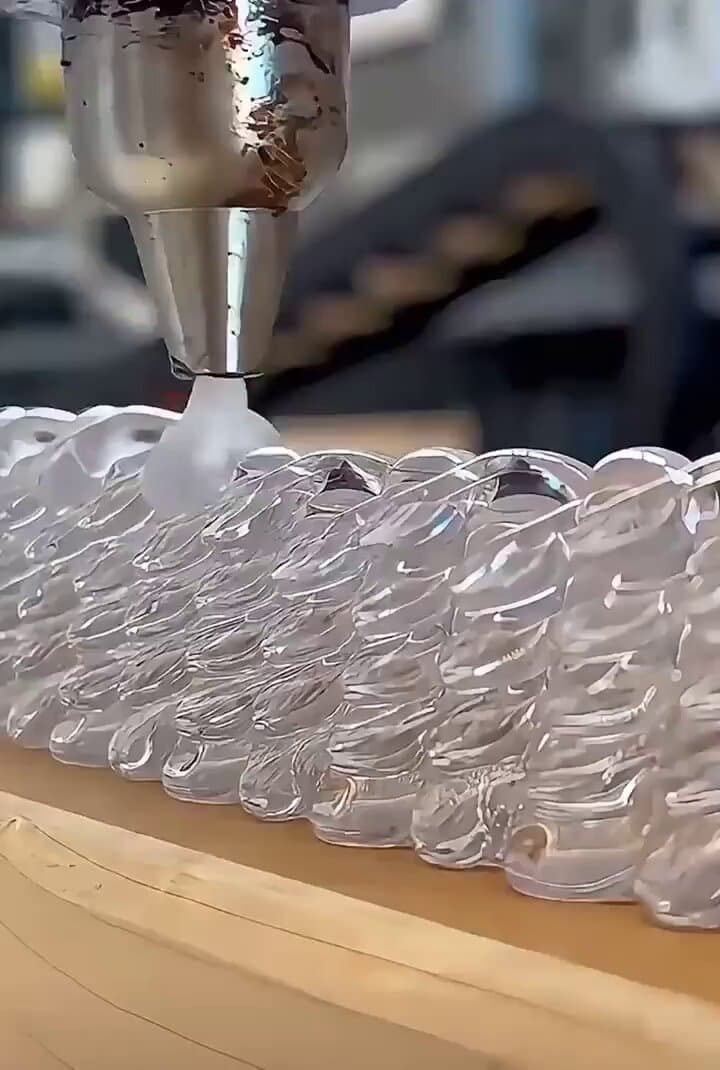
A one-piece bar counter that is 1.1 meters tall and more than 4 meters long is the kind of print that stops people in their tracks. Add a continuous organic surface and integrated LED backlighting, and you get more than a furniture build. You get a clear demonstration of what large-format PETG printing can do when tolerance control, planning, and finish quality all line up.
The project appeared in a YouTube video titled “One-piece printed PETG LED backlit bar,” posted by BroFessorLab, a channel that says it turns everyday chores and quick fixes into 60-second mini-lessons packed with science, hacks, and humor. That framing matters because this is not just a spectacle piece. It is a practical lesson in how far functional 3D printing has moved into architectural and commercial territory.
What makes the build stand out is not only its scale, but its continuity. A single-piece print that stretches over 4 meters asks for a level of precision that smaller display pieces never demand. The surface reads as one uninterrupted form, which is exactly why it feels so ambitious: there are no obvious breaks for the eye to rest on, only a long, clean, illuminated object that behaves like a custom fixture rather than a printed prototype.
That kind of result is the real takeaway for the hobby world. It shows that large-format printing is no longer limited to oversized cosplay props or rough shop furniture. It can now produce continuous, organic surfaces with enough control to hold together visually over a huge span, and that changes what many makers will consider possible for counters, reception desks, display plinths, and other high-visibility builds.
PETG is a smart choice for a project like this because it sits in a sweet spot between usability and performance. In 3D printing circles, PETG is widely promoted as a durable, reliable functional material, and it is often recommended when a print needs more toughness than PLA without jumping into more demanding materials. For a bar counter, that combination makes sense: the piece needs to look refined, but it also has to behave like a real-world fixture.
The broader lesson is that PETG is not just a safe default for brackets and enclosures. It can also support ambitious aesthetic work when the print is intended to be seen, touched, and used. A giant illuminated counter makes that point better than a dozen benchy comparisons ever could. If a material can help hold millimeter-level alignment in a structure this large, it deserves serious attention in smaller functional builds too.
The hardest part of a build like this is not the glow, it is the control. The project’s size suggests a very high level of tolerance control in a very large object, and that is where experienced makers should pay attention. Once a build gets this long, small errors stop being small. A slight deviation in geometry, a ripple in the surface, or a minor alignment issue can become visible across the whole length of the piece.
That is why print planning matters so much here. Large-format work rewards the same habits that make smaller jobs successful: careful model preparation, realistic expectations about how the part will be used, and an eye for where precision actually matters. In a bar counter, edge consistency, clean surface transitions, and integrated lighting all have to work together, because the eye notices every flaw when the object is this long and this exposed.
What makers can borrow from an extreme build
- Design for continuity first. A seamless surface changes the way a finished object reads, especially when lighting is built in.
- Treat tolerance as part of the finish. On a 4-meter piece, fit and visual alignment become the same problem.
- Use PETG when the part needs to feel practical, not fragile. Its reputation for durability and reliability makes it a strong option for functional display work.
- Plan lighting early. Integrated LEDs are easiest to accommodate when they are part of the design concept, not an afterthought.
- Think in terms of use, not just printability. A counter has to serve a space, not merely survive the printer.
The commercial market helps explain why builds like this are getting attention now. Backlit bar counters and illuminated countertop surfaces are being actively marketed as custom design features for restaurants, bars, and retail spaces. Suppliers such as ThinLight USA and BarChefs are already pushing LED-lit counter and bar tops, which shows that this is not just a maker novelty. It is part of a broader shift toward illuminated surfaces in hospitality and commercial interiors.
That trend also widens the audience for the print. Backlit lighting is now being used in kitchen stone countertops, bar tables, club and restaurant wall panels, and even floor inserts. In other words, the technology is moving from a niche decorative effect into a design language that businesses recognize immediately. For makers, that matters because the line between a garage build and a commercial feature is getting thinner.
This is why the bar counter feels like a marker of where architectural additive manufacturing is headed. The combination of a monolithic form, PETG as a functional material, and embedded light points to a future where 3D printing is not just about making parts. It is about shaping spaces. When a print this large can carry both structural presence and visual polish, it shows how quickly the category is expanding.
For the average maker, the most useful part of the story is the workflow lesson hiding inside the spectacle. Big prints reward patience, stable materials, and design discipline. They also force every choice to matter more, from the polymer you pick to the way you think about tolerances and illumination. A 4-meter glowing bar may be the headline, but the real value is the blueprint it offers for every ambitious print that comes after.
This article was produced by Prism’s automated news system from verified source data, official records, and press releases, then run through automated quality and moderation checks before publishing. The system is built and supervised by the people who set the standards it runs under. Read our full AI policy.
Did this article answer your question?