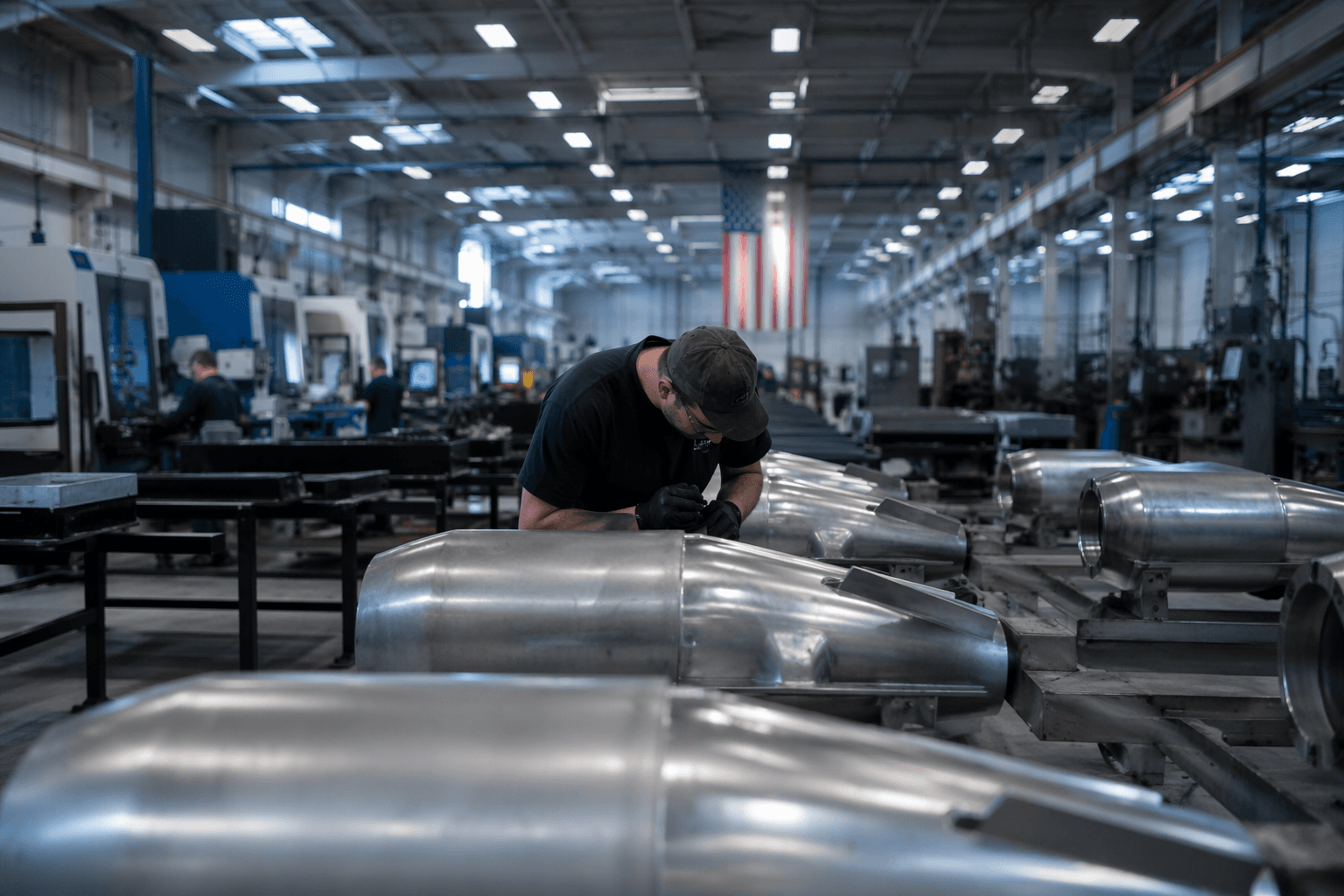
Six fault lines to reshape additive manufacturing between 2026 and 2028
Automation, security and procurement will sort winners as AM scales to a projected $44.5B market, expect born‑qualified parts, hybrid lines, and new training economics reshaping suppliers.

1. Automation and the rise of “born‑qualified” parts
In 2026 the industry is pushing hard into automation: “In 2026, additive manufacturing is getting smarter and more automated,” Kensingtonadditive reported on 26 November 2025, pointing to AI‑driven print‑path optimisation, robotic handling and in‑situ sensors. The practical outcome is a move toward parts that are “born‑qualified”, printed with real‑time adjustments so they emerge already meeting quality standards, which cuts post‑process time and lowers per‑part inspection cost for serial runs. Machine learning that “can detect anomalies layer by layer” and closed‑loop controls will shorten validation cycles and make small‑batch production economically viable for sectors that once relied on long tooling runs.
2. The digital thread, traceability and enterprise integration
IoT connectivity is no longer optional: Kensingtonadditive notes that “IoT‑connected printers feed data into manufacturing execution systems” and that this “digital thread” ensures traceability from design to delivery. That traceability now ties into enterprise IT, and the 3D Printing Industry flagged “the speed at which vendors respond to customer demands for enterprise identity integration and audit‑grade logging.” Expect procurement and quality teams to require end‑to‑end identity and audit trails as contract line items, forcing AM vendors to deliver hardened APIs, single‑sign‑on and audit logging that plug into existing ERPs and MES platforms.
3. Hybrid manufacturing and blurred production boundaries
Multiple trackers see additive and conventional methods fusing into single workflows: Voxelmatters describes a “blurring of boundaries between additive manufacturing and conventional techniques,” where “hybrid manufacturing systems integrate additive and subtractive or formative processes into a single platform or workflow.” Kensingtonadditive also points to printers working “in tandem with CNC machines or automated inspection systems.” The net effect: designers get AM’s internal geometries while downstream machining or finishing delivers the tolerances and surface finishes customers demand, changing how job shops and OEMs structure floors and capital investment.
4. Industrial scaling, 3DPaaS and localized on‑demand production
Scaling is no longer hypothetical, Voxelmatters expects AM to “transition[] to an increasingly mature industrial production method for batches of thousands of parts,” noting that “Parts with thousands of batches were already produced on 3D Systems’ largest SLA machines well over a decade ago.” The piece goes further: “Soon enough, there will be millions. It’s an unstoppable trend.” Coupled with 3D Printing as a Service (3DPaaS) networks, this enables localized, on‑demand production that trims inventory risk and transport costs, a direct supply‑chain lever for companies reacting to volatility. That shift underpins Kensingtonadditive’s headline market projection that “the 3D printing market [is] projected to nearly triple by 2026, reaching around $44.5 billion,” a scale that changes capital allocation decisions for manufacturers and service bureaus alike.
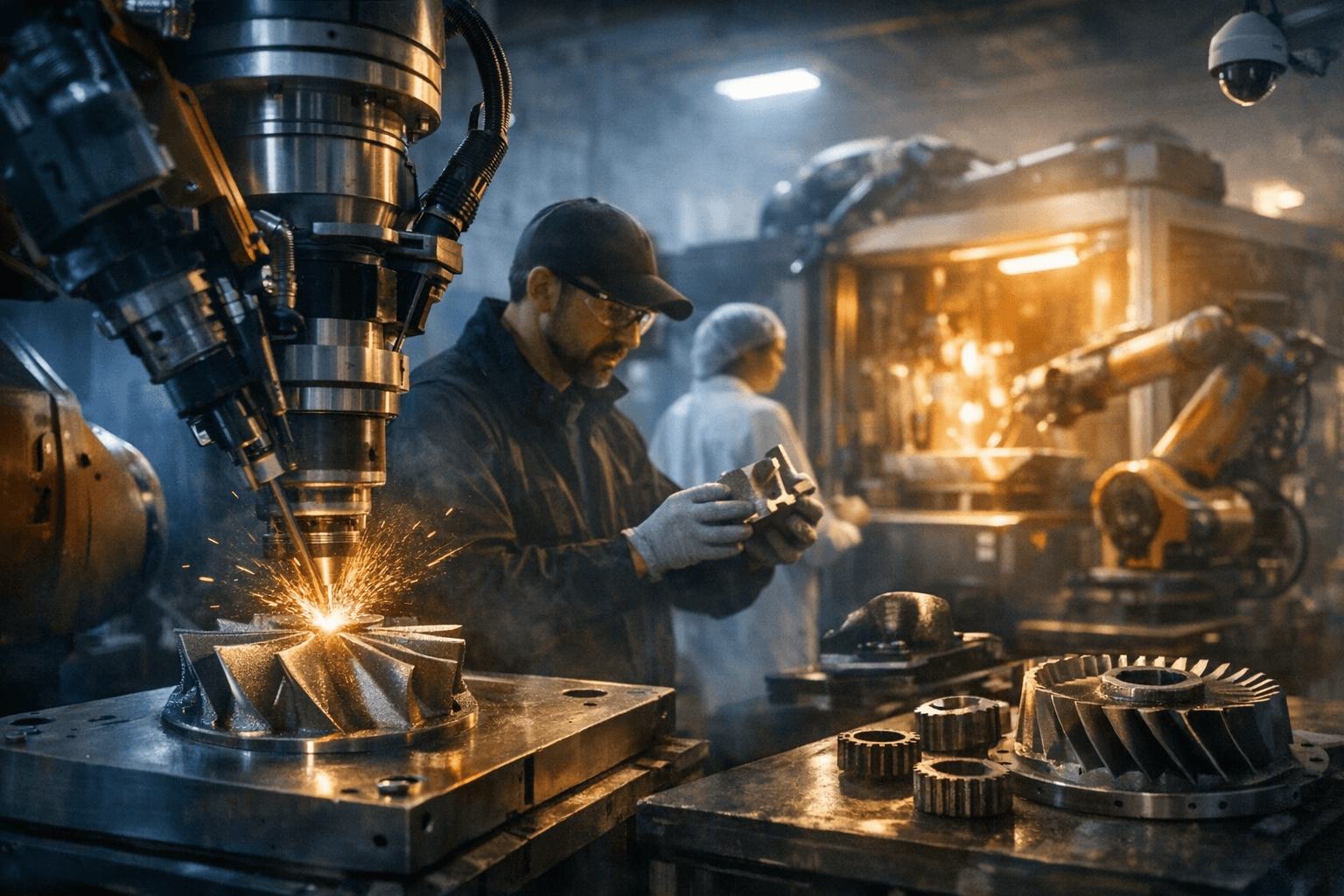
5. Digital security and the IT expectations that split suppliers
As AM moves into mainstream production, Voxelmatters warns “a big emphasis on digital security to safeguard important design information,” and vendors face specific enterprise demands: 3D Printing Industry calls out “enterprise identity integration and audit‑grade logging” as speed‑of‑response metrics customers will judge. Practically, that means suppliers without hardened security stacks, secure key management for CAD/IP and integration with corporate identity services will struggle to close deals with regulated OEMs. The 3D Printing Industry also signals that market resilience will favour firms in a “period with strong balance sheets and credible recurring revenue,” implying investors and buyers will lean toward vendors who can fund sustained IT, compliance and support investments.
6. Procurement economics, training, standards and partnership dynamics
The commercial rules are shifting from equipment sales to program economics: the 3D Printing Industry lists three “indicators to watch” verbatim, “growth in certification‑linked training revenue as a discrete line item in vendor reporting; the emergence of procurement language that explicitly funds training and maturity assessment alongside equipment acquisition; and the adoption rate of structured maturity frameworks as the basis for vendor selection and programme readiness evaluation.” Materialise’s CEO Brigitte de Vet frames the market response as a “partnership dynamic,” arguing “in‑house innovation, complemented by deep outside expertise, will be pivotal” and that “collaborative, dynamic partnerships are the key to smarter, faster, and more flexible manufacturing.” Futuremarketsinc’s metal AM research echoes this commercial reality by highlighting success factors such as technology leadership, cost optimisation, customer support excellence and innovation investment for positioning. In short, procurement will pay not just for machines but for measurable readiness, training, certification and partner ecosystems will decide which suppliers are durable winners through 2028.
Conclusion: these six fault lines, automation and born‑qualification; digital thread and enterprise integration; hybrid manufacturing; industrial scaling and 3DPaaS; digital security and IT readiness; and procurement economics with partnerships and standards, are the practical axes that will separate suppliers and adopters over the next two years. Watch those indicators closely: they move money, change supply chains and will determine who captures value as AM grows into a multibillion‑dollar, production‑grade toolset.
This article was produced by Prism’s automated news system from verified source data, official records, and press releases, then run through automated quality and moderation checks before publishing. The system is built and supervised by the people who set the standards it runs under. Read our full AI policy.
Did this article answer your question?