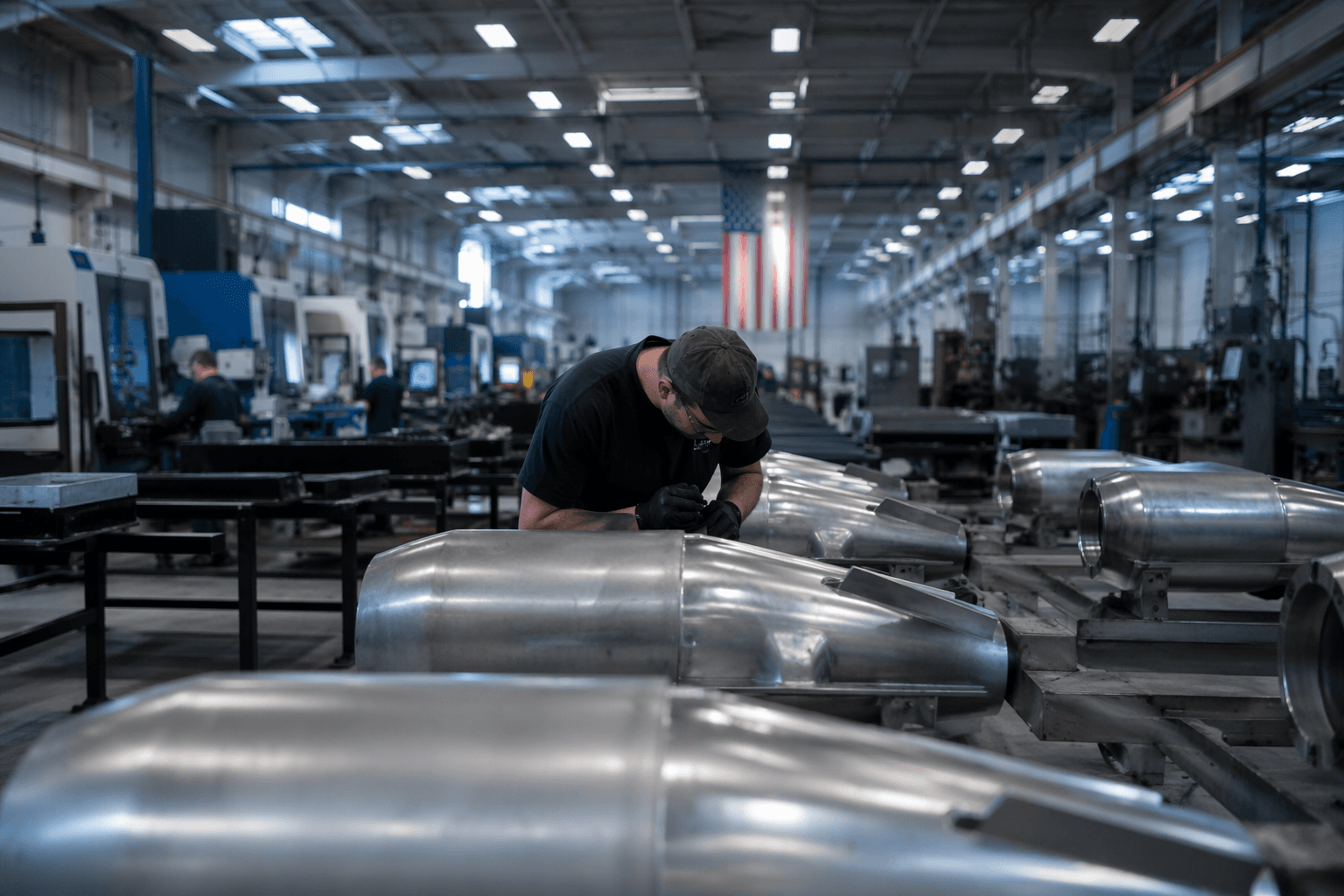
SpaceX Twilight Rideshare Carries 3D Printing Demonstrator Advancing In-Orbit Manufacturing
SpaceX's Twilight rideshare carried a 3D printing demonstrator to test in-orbit manufacturing, an incremental step that widens access to space-based fabrication tests.
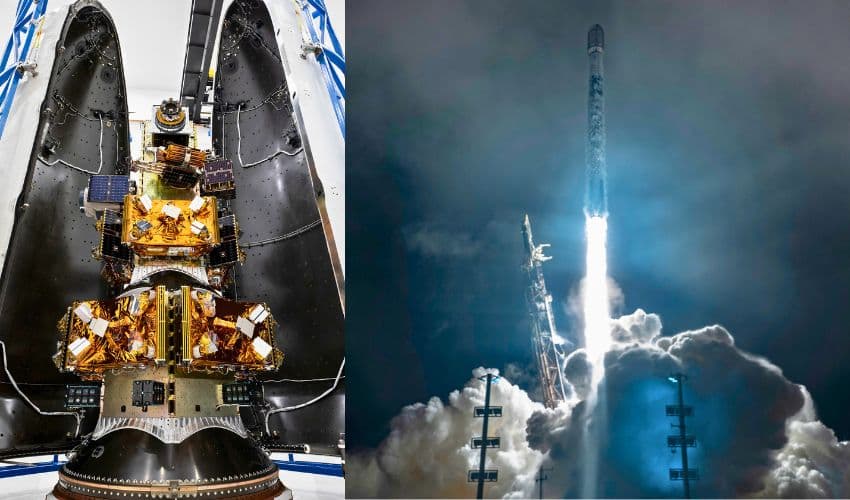
SpaceX flew a technology demonstrator on its Twilight rideshare that tested 3D printing and space manufacturing techniques, advancing validation of on-orbit fabrication. The experiment, deployed as part of a multi-payload mission launched earlier in January, aimed to print or otherwise produce structures in free space rather than on a pressurized platform, marking a practical step toward manufacturing where parts are needed.
The Twilight mission delivered multiple small payloads, and at least one of those payloads was dedicated to additive manufacturing in microgravity. Rideshare flights like Twilight are lowering the barrier to orbit for small experiments, enabling frequent, low-cost opportunities to iterate hardware and materials. For the 3D printing community, that cadence matters: it shortens design-test cycles, lets teams validate printing strategies outside Earth gravity, and creates room to explore new feedstock materials and process controls that do not translate directly from terrestrial printers.
Practical value for hobbyists and small developers comes from what on-orbit testing could unlock. If experiments demonstrate reliable printing of structural components or functional parts, future missions could use in-orbit manufacturing to replace or augment hardware without waiting for a dedicated spare-part launch. That shifts some design emphasis from heavy overengineering for liability toward modular designs that accept printed repairs or mid-mission upgrades. For makers working on space-grade filaments, resin formulations, or printer control systems, the increasing availability of rideshare slots means more chances to fly prototypes, gather telemetry, and refine workflows for vacuum-compatible extrusion and post-processing.

Community relevance extends into toolchains and standards. Regular demonstration flights will pressure file formats, build-volume conventions, and test protocols to become more consistent, which benefits desktop-to-orbit developers. Expect greater emphasis on build simulation under microgravity conditions, qualification suites for feedstock contamination and outgassing, and clearer interfaces for power, data, and mechanical attachment on rideshare platforms.
This demonstrator on Twilight is not a moonshot; it is an incremental validation move that fits a broader evolution toward distributed manufacturing in space. For builders, designers, and small teams tracking space-based additive manufacturing, the immediate takeaway is clear: rideshare access is creating a practical testbed. Watch for published results and follow-up flights, and consider how your designs could be adapted for a future where printing a bracket or a replacement panel on orbit becomes routine.
This article was produced by Prism’s automated news system from verified source data, official records, and press releases, then run through automated quality and moderation checks before publishing. The system is built and supervised by the people who set the standards it runs under. Read our full AI policy.
Did this article answer your question?