Spoiled milk becomes 3D printing filament in sustainable shift
Researchers at the University of Wisconsin–Platteville turned spoiled dairy into a biodegradable 3D printing filament. It could reduce plastic waste and open new revenue for dairy producers.
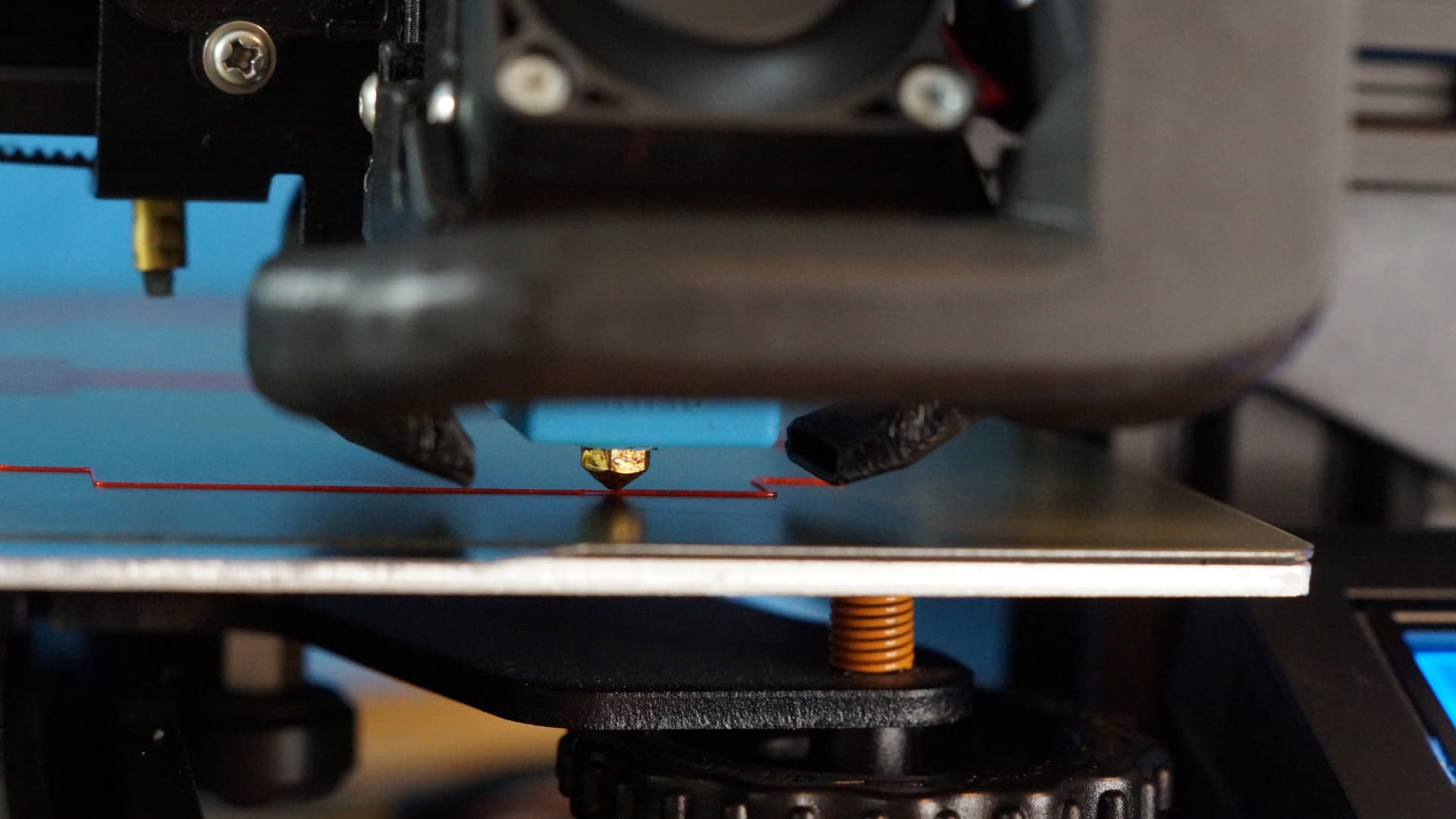
Researchers at the University of Wisconsin–Platteville developed a process that converts proteins from spoiled dairy into a usable bio-composite filament for standard 3D printers. The team, led by Dr. John Obielodan and Dr. Joseph Wu, extracts casein and whey from dumped milk and blends those proteins with polymers to produce a filament that is biodegradable and tunable for strength, flexibility and printability.
The work grew directly from pandemic-era supply chain shocks that forced large volumes of milk to be disposed of; the researchers obtained a U.S. patent for their extraction-and-blending process. By turning waste streams into printing feedstock, the project aims to address two persistent pain points in the maker economy: plastic waste from hobbyist and industrial printing and dependency on fossil-derived polymers.
Technically, the filament behaves like a composite feedstock rather than an edible product. Coverage has called the result a legitimate printing feedstock, not "printable cheese", and places it alongside a wave of recycled and bio-derived filaments the maker community has been testing. Because the protein component can be tuned, the material can be adjusted for common print demands: stiffer parts where load bearing matters, or more flexible prints for prototyping and wearables. Compatibility with standard FDM printers is a crucial practical detail for community adoption: no special hardware is required to run it.
The circular-economy implications are straightforward. Dairy producers facing seasonal gluts or processing disruptions could convert what would be waste into a new revenue stream, and makers gain access to lower-impact filament options that degrade more readily than petroleum-based plastics. For communities focused on local supply chains and reducing landfill input, sourcing filament made from locally collected dairy waste could cut transport emissions and plastic leakage.
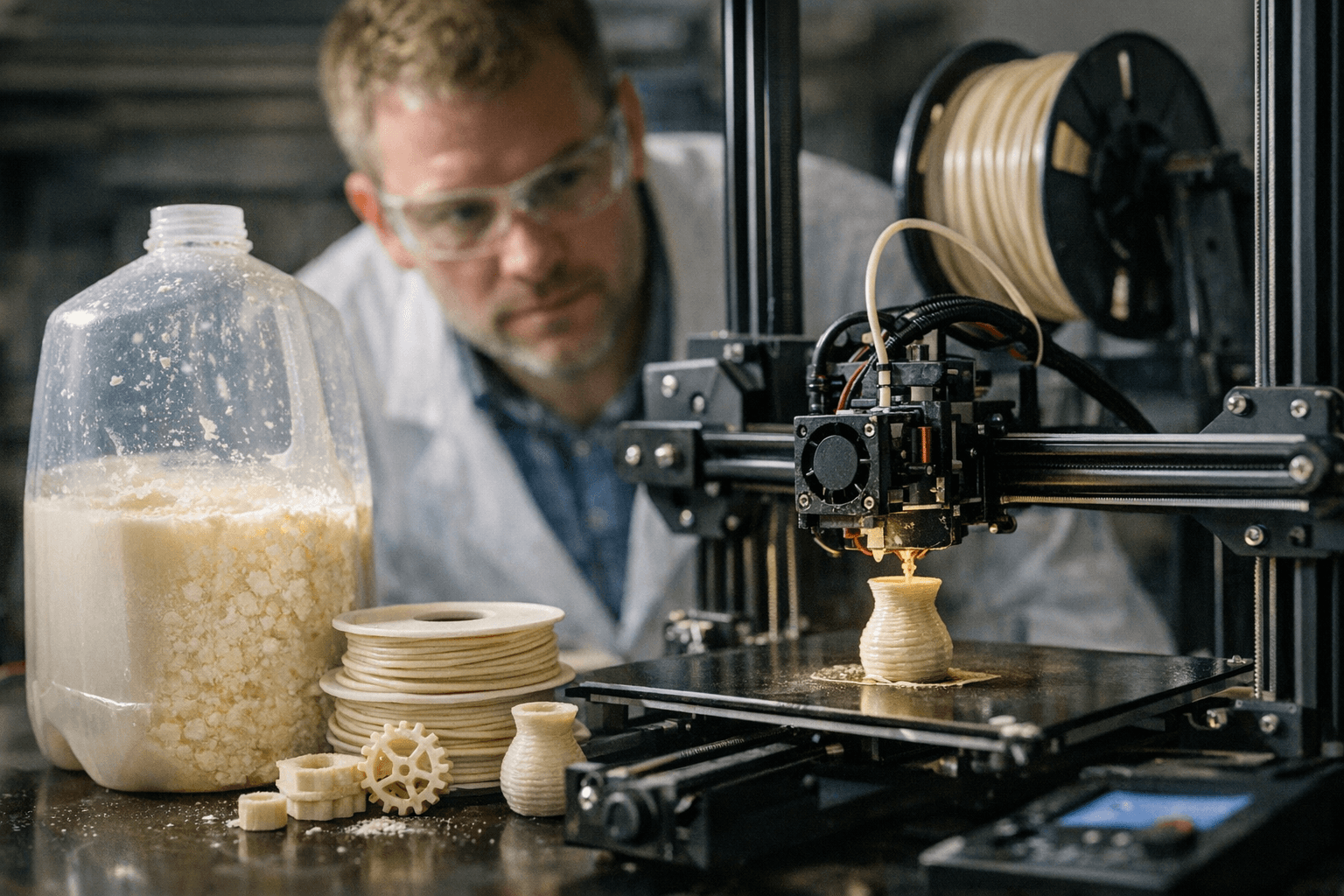
Practical questions remain for makers and small businesses. Expect a period of iteration on print profiles, bed adhesion strategies, and postprocessing as labs and early adopters map material properties across brands and blends. Certification and clear compostability standards will also matter if the goal is to substitute these bio-composites for conventional plastics in consumer or food-contact items.
The takeaway? This isn't magic, it's materials engineering that turns a waste headache into workable filament. Test small, log your print settings, and watch for labeled blends and compostability claims before scaling up. Our two cents? If you like tinkering with new filaments and supporting local circular projects, this is one to keep on your radar.
Know something we missed? Have a correction or additional information?
Submit a Tip