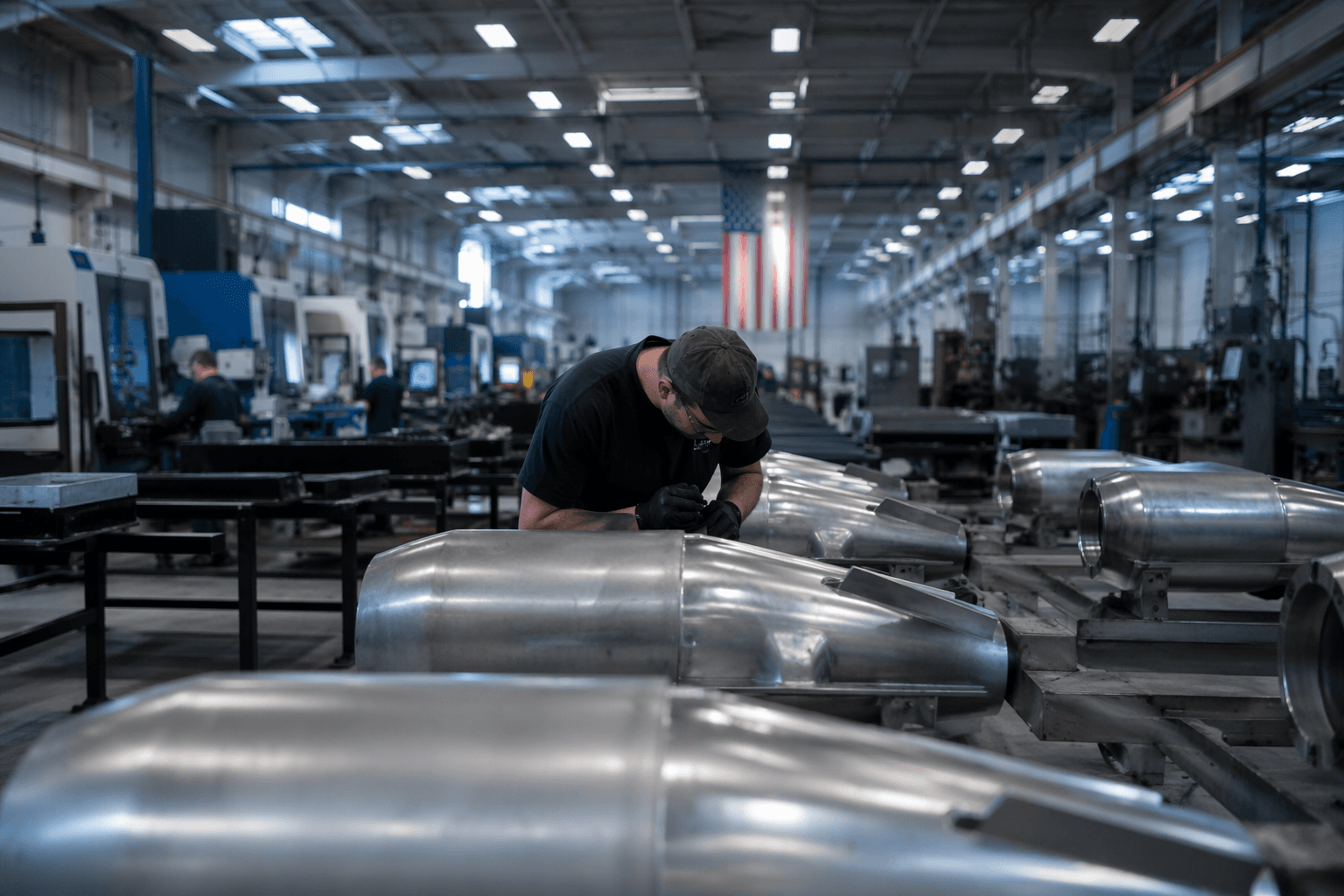
SRNL's CRAFT Technology Uses Light to Fine-Tune 3D Printed Material Properties
A single light source can now dial in strength, flexibility, and durability within one printed part — no harsh chemicals or extreme heat required.
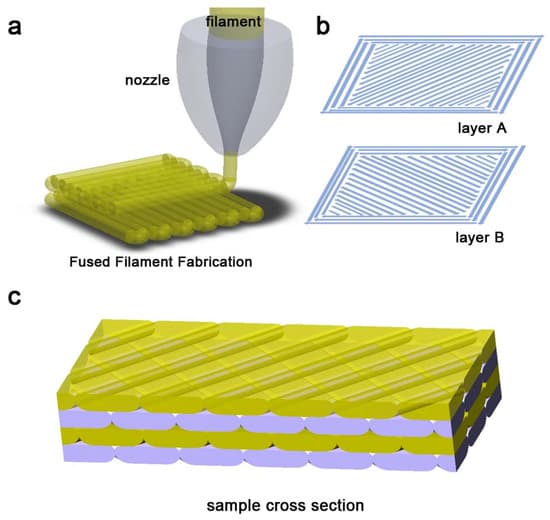
Researchers at Savannah River National Laboratory have developed a way to use light as a dial for controlling exactly how tough, flexible, or rigid different zones of a single 3D printed part become, a capability that previously required harsh chemicals or extreme heat to achieve. The technique, published in Science and announced publicly on March 17, 2026, is called CRAFT: Lithographic Crystallinity Regulation in Additive Fabrication of Thermoplastics.
Where most FDM and thermoplastic parts come off the bed with uniform material properties throughout, CRAFT works by using light intensity to directly alter a polymer's molecular structure during printing, directing how the plastic molecules crystallize as each layer is laid down. Tracking changes in clarity served as the team's metric for proving the approach worked: light alone produced the same complex structural shifts that would otherwise demand far more intensive processing methods.
"We've never had this level of control over these materials before," said Sam Leguizamon, SRNL researcher and project lead for the technology. "Being able to direct how polymers form during printing gives us a powerful new tool not just for manufacturing, but for advancing the entire field of polymer science."
The demonstrations make the concept tangible. Sandia National Laboratories, one of the project's collaborators, produced a soft-bodied turtle printed with varying degrees of flexibility across its body using the CRAFT method. The team also printed grayscale reproductions of Leonardo da Vinci's Mona Lisa in which each shade of gray corresponds to a different crystallinity level in the material, showing spatial control precise enough to encode an image in physical properties rather than pigment.
Patrick Garcia, SRNL's associate lab director, framed the shift in straightforward terms. "Instead of accepting materials as they come off the printer, we can now design them with specific material properties for a specific purpose from the very beginning of the process," Garcia said.
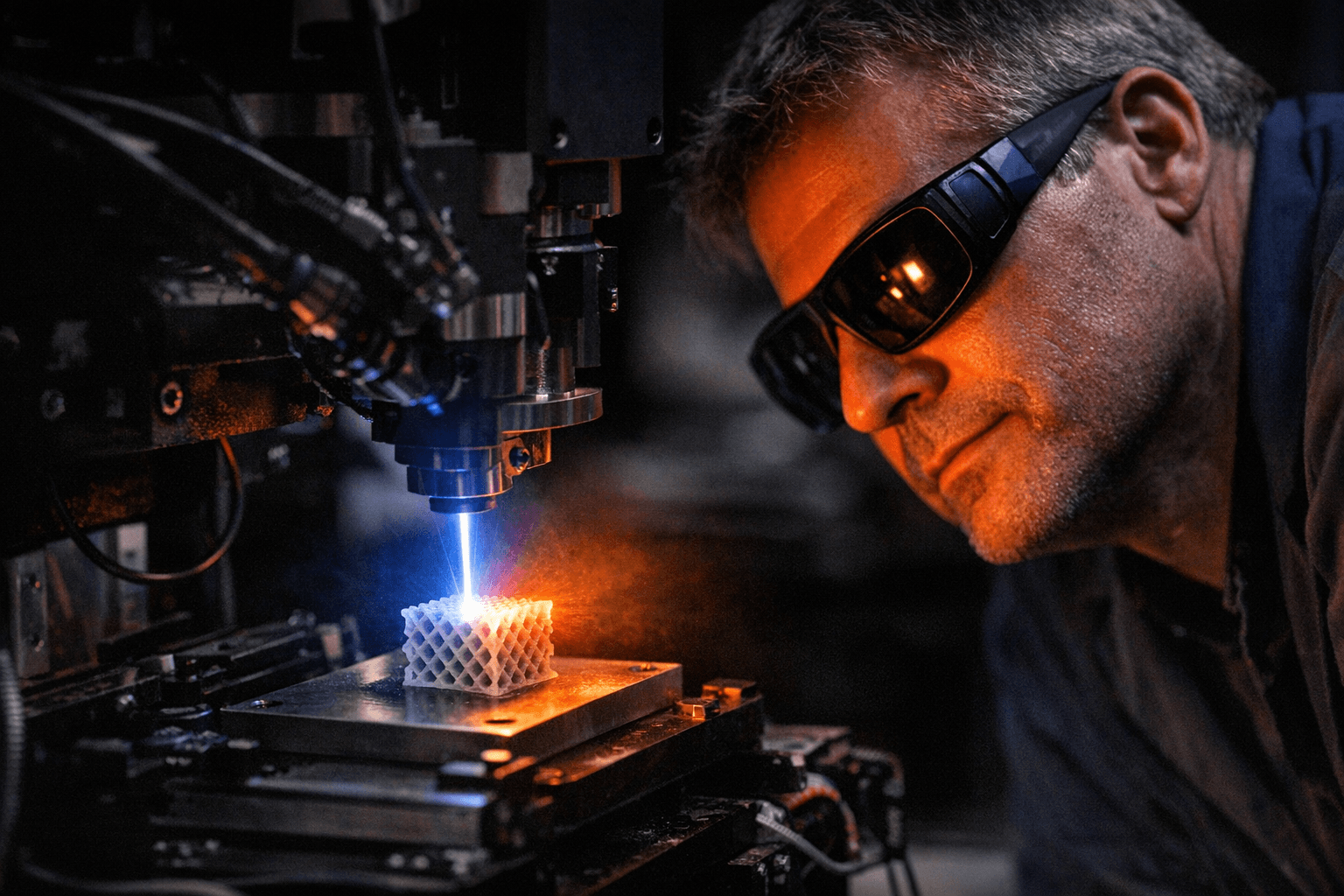
The multi-institutional team behind the Science paper includes Sandia National Laboratories, Lawrence Livermore National Laboratory, the University of Texas at Austin, Oregon State University, and Arizona State University alongside SRNL. A researcher identified as Villanueva at Lawrence Livermore noted that the work integrates computational workflows directly with the printing process: "We have evolved a tool that connects materials science with computational workflows and advanced printing, enabling us to move directly from a 3D design to a part with spatially varying properties."
The researchers cite potential applications in soft robotics, national defense, energy damping, and information storage. SRNL, which has maintained 3D printing production capability since 2001 and added dedicated research facilities in 2017, plans to continue developing CRAFT through its Advanced Manufacturing Collaborative, a new facility under construction on the USC-Aiken campus in South Carolina. Drew Snelling, the newest member of SRNL's additive manufacturing team, pointed to the AMC as a vehicle for expanding collaboration with academia, industry, and other national laboratories.
The open question for the broader printing community is hardware compatibility: the research notes describe a lithographic light-control component but do not specify whether existing commercial printers can be retrofitted or whether dedicated equipment is required. The Science paper's full methodology, including specific wavelengths, exposure parameters, and quantitative mechanical property data, would be the next place to look for those answers.
This article was produced by Prism’s automated news system from verified source data, official records, and press releases, then run through automated quality and moderation checks before publishing. The system is built and supervised by the people who set the standards it runs under. Read our full AI policy.
Did this article answer your question?