Stratasys launches multi-material dental anatomical model preset for simulation training
Stratasys launched a multi-material dental anatomical model preset on Feb. 18, 2026, a packaged configuration for producing realistic, reproducible 3D-printed models for simulation training.
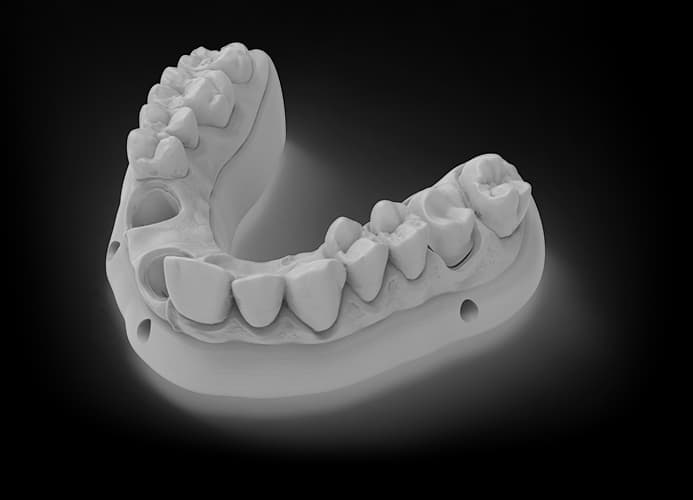
Stratasys (NASDAQ: SSYS) announced on February 18, 2026 the release of a dental anatomical model preset, a packaged multi-material configuration designed to produce realistic, reproducible 3D-printed dental models for simulation-based training, the company said in a Business Wire release datelined MINNETONKA, Minn. & REHOVOT, Israel. The preset arrives as part of Stratasys’ push into standardized simulation workflows for dental education and device training.
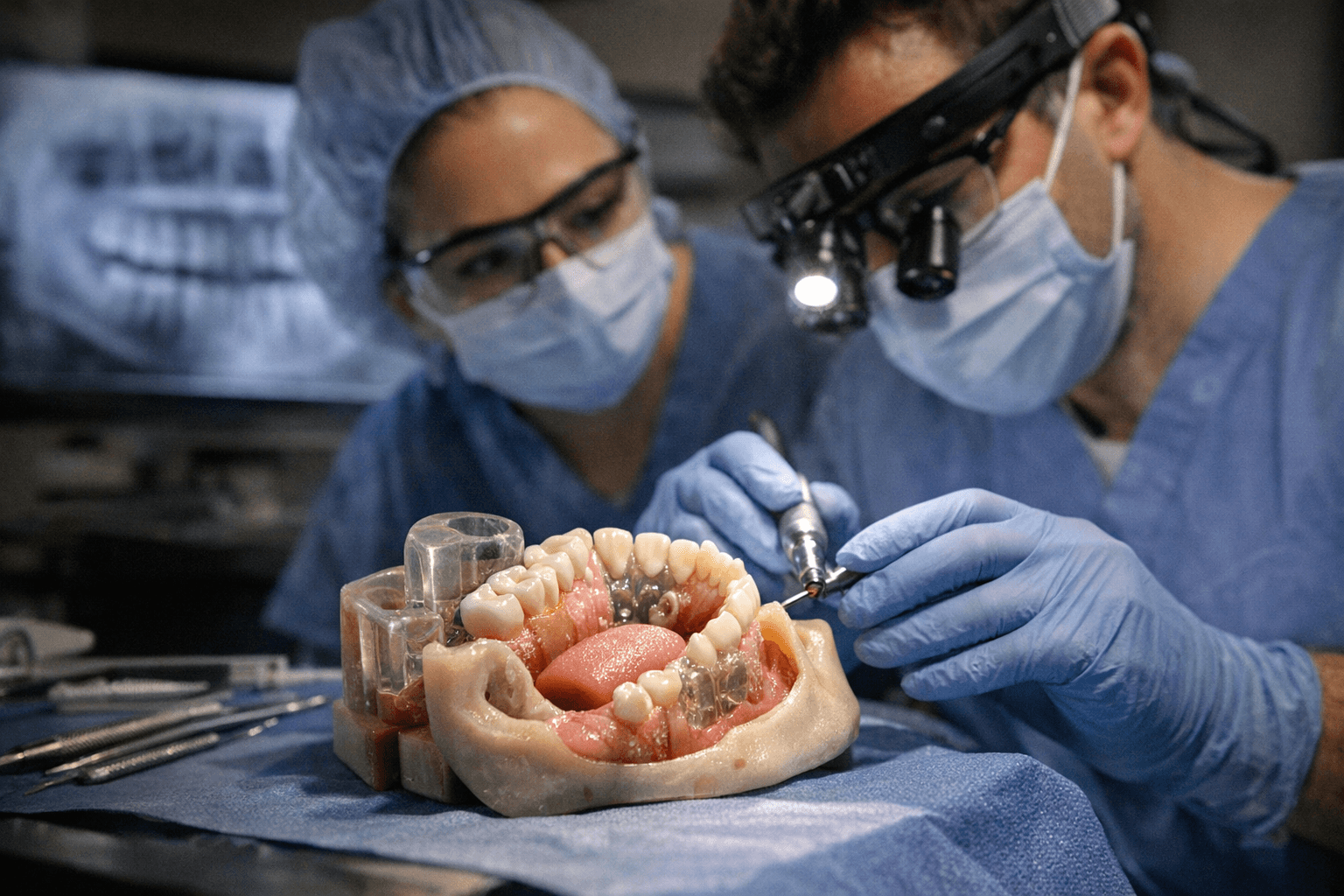
The preset targets dental schools, training centers, and medical device manufacturers and is promoted for use in classrooms, clinics, conferences, and product demonstrations, according to the announcement. Business Wire and republished coverage list hands-on education scenarios explicitly supported by the models, including drilling, cutting, suturing, and implant placement, with the company emphasizing haptic feedback during those procedures.
Technically, Stratasys positions the preset as a packaged set of predefined parameters that control how multiple materials are mixed and distributed within a single print, using specific ratios and patterns to achieve repeatable results. Company materials state the multi-material 3D printing technology enables models that replicate the behavior of bone, teeth, nerves, and soft tissue. Engineering coverage further notes that multi-material models replicate bone and soft tissue behavior and can be customized using CBCT data for case-based training.
Stratasys frames the preset as part of a broader library of anatomical presets that cover bone, cartilage, muscle, ligament, and soft tissue, enabling simulation across medical and educational applications. The company claims the approach minimizes the complexity of producing multi-material anatomical models while delivering life-like realism, repeatability, and customization for educators, clinicians, and device manufacturers.
Beyond workflow benefits, Stratasys and republishers stress ethical and operational advantages. Engineering states the models are fully synthetic, eliminating the biohazard risks, ethical approvals, storage requirements and disposal challenges associated with cadavers and animal specimens. Business Wire and other coverage describe the preset as cost-effective and as a way to make training more accessible while reducing reliance on traditional, hard-to-manage training tools like stone models and cadaver labs.
Erez Ben Zvi, VP Medical at Stratasys, summarized the company’s positioning: “With this preset for dental anatomical models, we are entering a new segment of digital dental education and clinical simulation, helping customers move beyond traditional training methods toward more standardized, technology‑driven learning environments,” said Erez Ben Zvi, VP Medical at Stratasys. “By combining anatomical realism with repeatability and customization, we’re enabling educators, clinicians, and device manufacturers to prepare for real‑world procedures with greater confidence and consistency.”
Stratasys’ press materials and republished reports do not include pricing, exact availability beyond the February 18 announcement, supported printer models, proprietary material names, or distribution channels. Those missing details leave open practical buyer questions on cost, supported hardware, CBCT workflow steps, and licensing for classroom or commercial use that institutions and OEMs will likely press Stratasys to answer in follow-up briefings.
This article was produced by Prism’s automated news system from verified source data, official records, and press releases, then run through automated quality and moderation checks before publishing. The system is built and supervised by the people who set the standards it runs under. Read our full AI policy.
Did this article answer your question?