Swedish researchers develop biodegradable 3D-printing material from yeast and seaweed
A yeast-and-seaweed hydrogel from Chalmers is being tuned for architectural printing, but its real test is whether it can hold shape, store well and shrug off moisture.
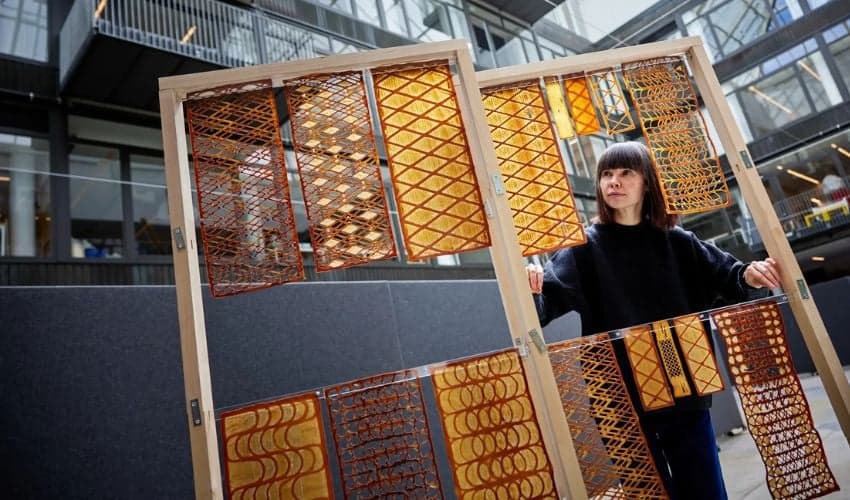
At Chalmers University of Technology in Gothenburg, researchers have turned baker’s yeast, wood cellulose fibers, algae-derived alginate, plant-based glycerol and water into a 3D-printable hydrogel. The pitch is bigger than a novelty recipe: this is being aimed at architectural applications, where a material has to do more than look clever on a bench.
For anyone thinking about desktop or large-format additive manufacturing, the real question is not whether the ingredients are familiar. It is whether the blend behaves like a usable printing material. That means predictable extrusion, enough green strength to keep its shape, and enough storage stability to sit on a shelf without turning into a science project. Moisture sensitivity and mechanical strength will decide whether this becomes a practical bio-based option or just another lab proof of concept.

The formulation Chalmers reported is specific, which is a good sign. Optimized mixes contained 3% yeast solution, 13% aqueous microfibrillated cellulose solution, 1% sodium alginate, 5% glycerol and water. That kind of quantified recipe matters because it suggests the team is not selling a kitchen-table experiment. It is engineering a printable hydrogel with a controlled balance of body, flow and flexibility, and Chalmers’ own research framing makes clear that each biomaterial blend needs its own material-specific design and fabrication approach.
The broader push is also easy to read. Chalmers’ MycoCellular project says the goal is to develop custom, modular, biobased interior wall panels that can replace less sustainable gypsum and plywood. The team also plans a full methodology for design, robotic 3D printing, assembly and disassembly, plus life-cycle analysis and user studies. In other words, this is not just about printing a sample tile. It is about whether bio-based elements can fit into real building systems.
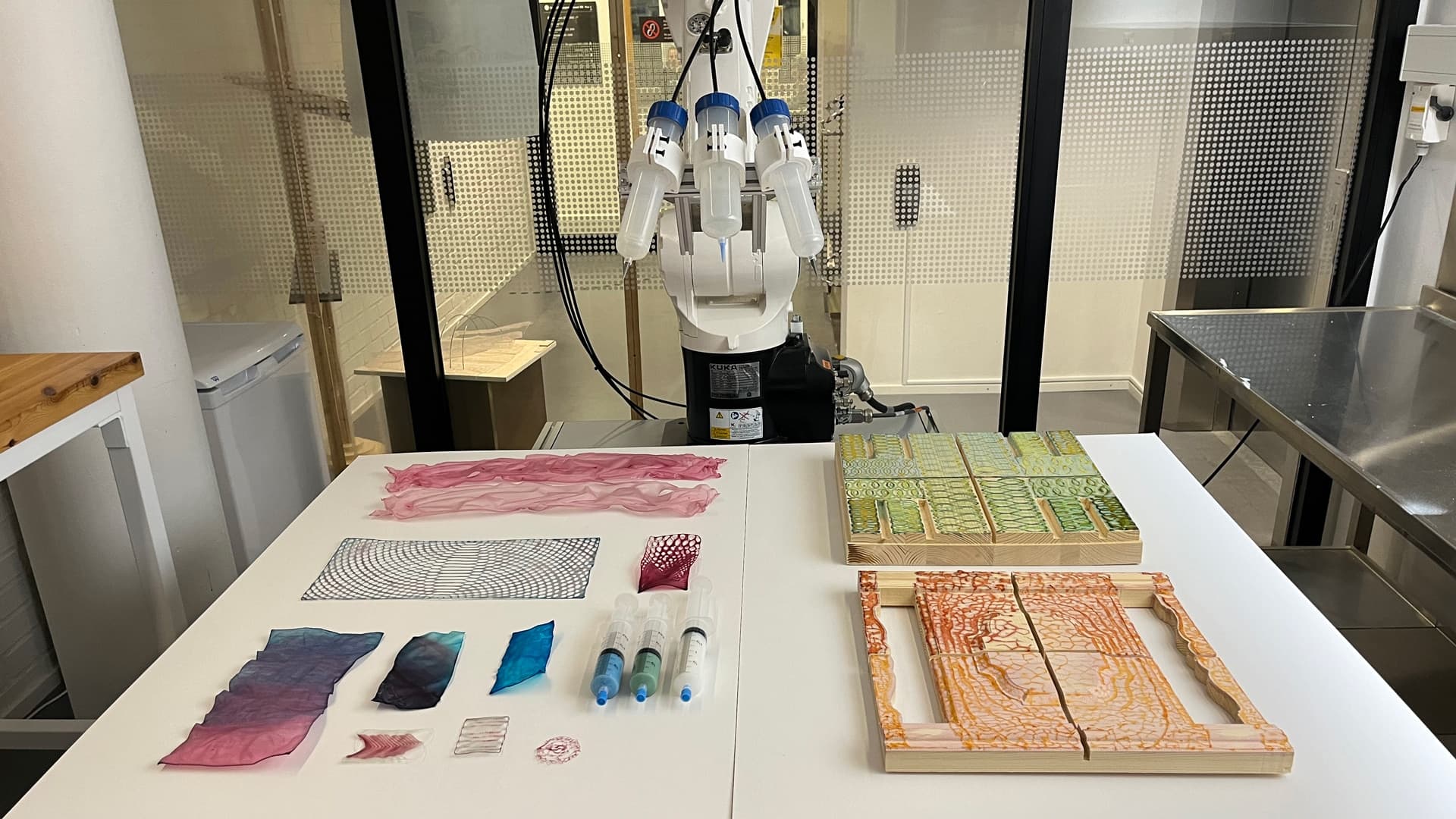
That matters because the building sector has a resource and waste problem in plain view. Chalmers says traditional building materials account for 50% of global resource depletion and 30% of waste generation, while bio-based alternatives still face high price, limited access to large quantities and properties that are hard to control. The yeast hydrogel follows earlier Chalmers work on robotically printed cellulose nanofibril-alginate membranes for interior uses like wall claddings, ceiling tiles, partitions, tapestries and window screens, so this is part of a longer run, not a one-off stunt. The promise is real, but the benchmark is unforgiving: if the material cannot store cleanly, print consistently and survive moisture, it will never outrun the convenience that made PLA the default in the first place.
This article was produced by Prism’s automated news system from verified source data, official records, and press releases, then run through automated quality and moderation checks before publishing. The system is built and supervised by the people who set the standards it runs under. Read our full AI policy.
Did this article answer your question?