Taiwanese patent reveals powderless electrochemical metal 3D printing with TFT backplane
A newly published Taiwanese patent outlines a powderless electrochemical metal additive manufacturing concept using a TFT backplane, suggesting display-style pixel drivers could control metal deposition.
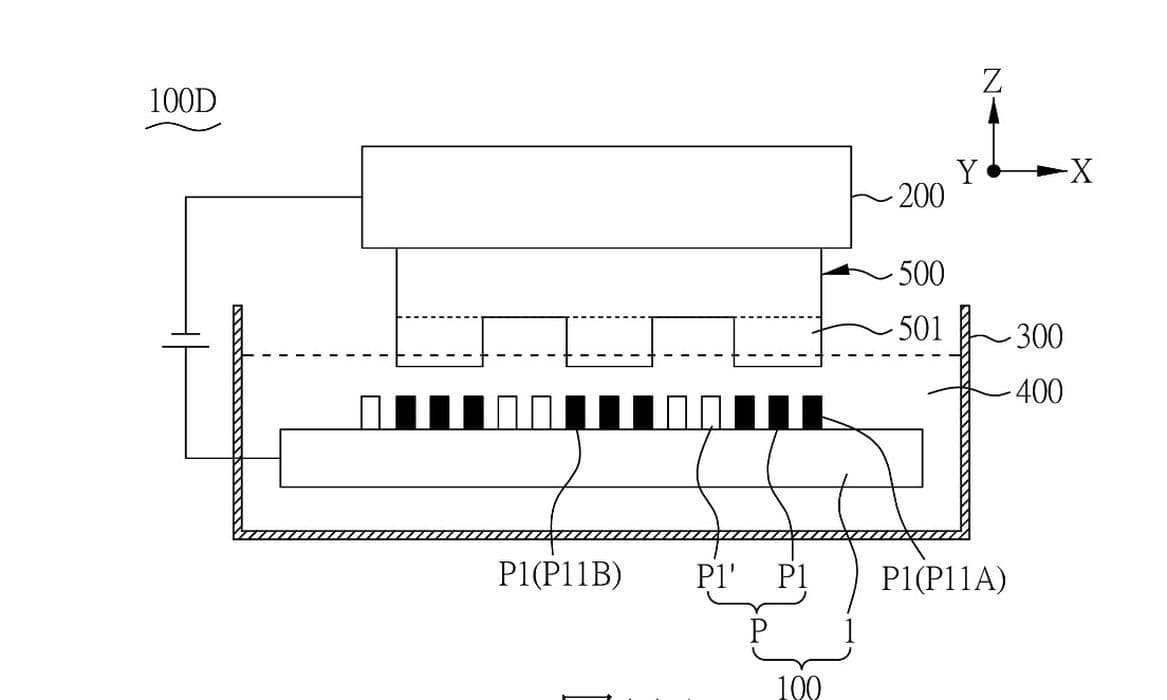
A newly published Taiwanese patent describes a powderless electrochemical metal additive manufacturing concept. The concept uses a thin-film transistor (TFT) backplane to selectively energize tiny areas for electrochemical printing. The TFT backplane borrows pixel drivers from flat-panel display electronics. The summary mentions industry coverage dated Jan 30, 2026.
Two short industry blurbs surfaced in coverage of the filing. Industry coverage (Jan 30, 2026) flagged a newly published Taiwanese patent describing a powderless electrochemical metal additive manufacturing concept that uses a thin‑film transistor (TFT) backplane (pixel drivers borrowed from flat‑panel display electronics) to selectively energize tiny
A separate line from Fabbaloo reads: "A newly published Taiwanese patent describes a powderless metal additive manufacturing concept using a TFT backplane to electrochemically print"
Taken together, these statements describe a technical approach that replaces powder handling with localized electrochemical metal deposition driven by an addressable TFT backplane - essentially borrowing the display industry’s pixel-driver architecture to activate tiny spots for plating rather than lighting pixels. For the 3D-printing community, that idea signals a potentially powder-free route to metal builds with fine spatial control, which could matter for makers, labs and service bureaus concerned with safety, ventilation and powder-management costs.
Practical value is conditional on engineering details that have not been supplied. The supplied material contains no patent publication number, no inventor names, no assignee or applicant organization, and no figures, claims text or experimental data. There are no electrical parameters, electrode geometries, electrolyte formulations, deposition rates, layer thicknesses or mechanical-property figures in the available blurbs. That makes it impossible to verify resolution, throughput or material scope from the excerpts alone.

Reporters and practitioners should locate the full Taiwanese patent publication to check bibliographic details and technical disclosure. Search the Taiwan Intellectual Property Office, WIPO PATENTSCOPE and major patent databases for a Taiwan publication around the Jan 2026 timeframe with keywords such as "powderless", "electrochemical", "thin-film transistor", "TFT", "backplane" and "additive manufacturing". Obtaining the full PDF will reveal the claims, inventor and assignee, diagrams and any worked examples or performance data.
If the patent backs up the concept with concrete embodiments or prototypes, the implications are wide: makers could see a new desktop-friendly metal printing route with fine electrode-level control, electronics fabricators might test in-situ trace deposition or repair use cases, and display manufacturers might find a new application for existing backplane expertise. If the patent is theoretical, it still maps an interesting convergence between display electronics and electrochemical deposition.
For now, treat the filing as an intriguing concept worth watching. Track the patent publication number, any follow-up demonstrations and comments from the inventors or experts to judge whether TFT-driven electrochemical metal printing moves from patent sketch to bench-ready hardware.
This article was produced by Prism’s automated news system from verified source data, official records, and press releases, then run through automated quality and moderation checks before publishing. The system is built and supervised by the people who set the standards it runs under. Read our full AI policy.
Did this article answer your question?