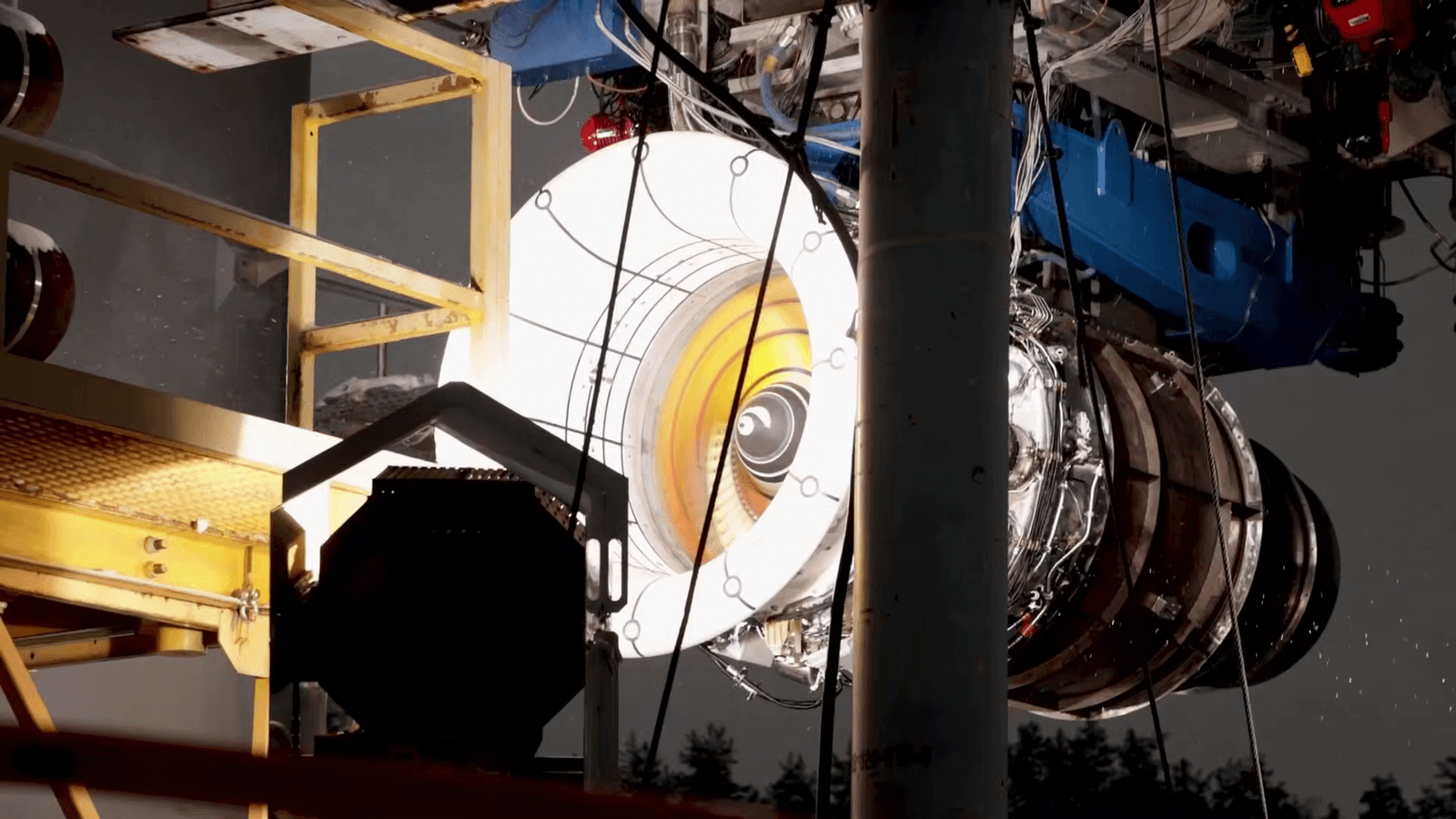
Tampere University develops 3D printed ceramic implant that mimics bone
Tampere researchers printed a ceramic scaffold with bone-like hydroxyapatite and 400-micrometre pores, aiming to coax the body into rebuilding defects.
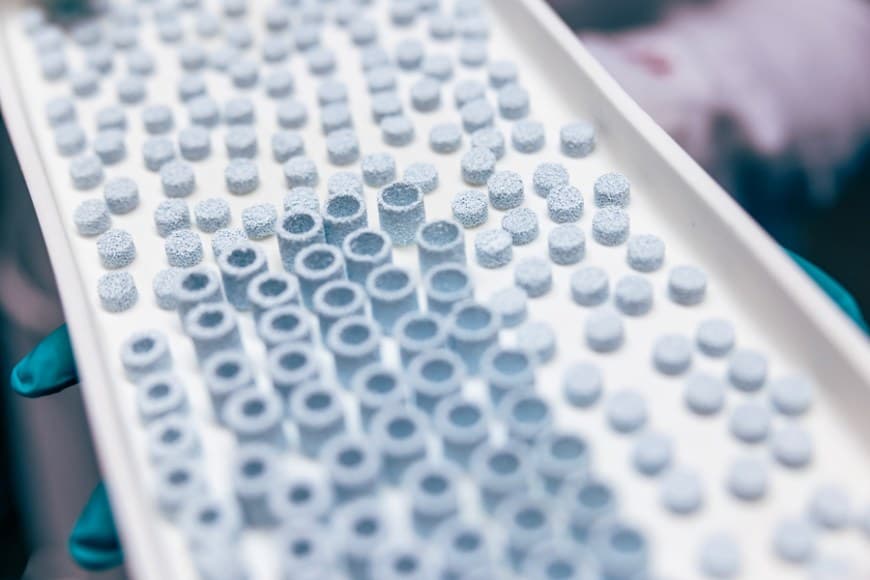
The real trick here is not that Tampere University printed a ceramic implant. It is that the part was designed to look and behave like bone from the inside out, with hydroxyapatite chemistry and a pore network that gives cells somewhere useful to go.
Researchers led by Antonia Ressler, a postdoctoral research fellow at the Tampere Institute for Advanced Study, said they identified an optimal bone-like structure with pores of around 400 micrometres and roughly 45% porosity. That balance mattered because the scaffold had to do two jobs at once: stay strong enough to hold shape, while still giving the body the architecture it needs for cell attachment, fluid movement and tissue integration. The work was published in Materials Today Bio and was made public by Tampere University on May 15, 2026.
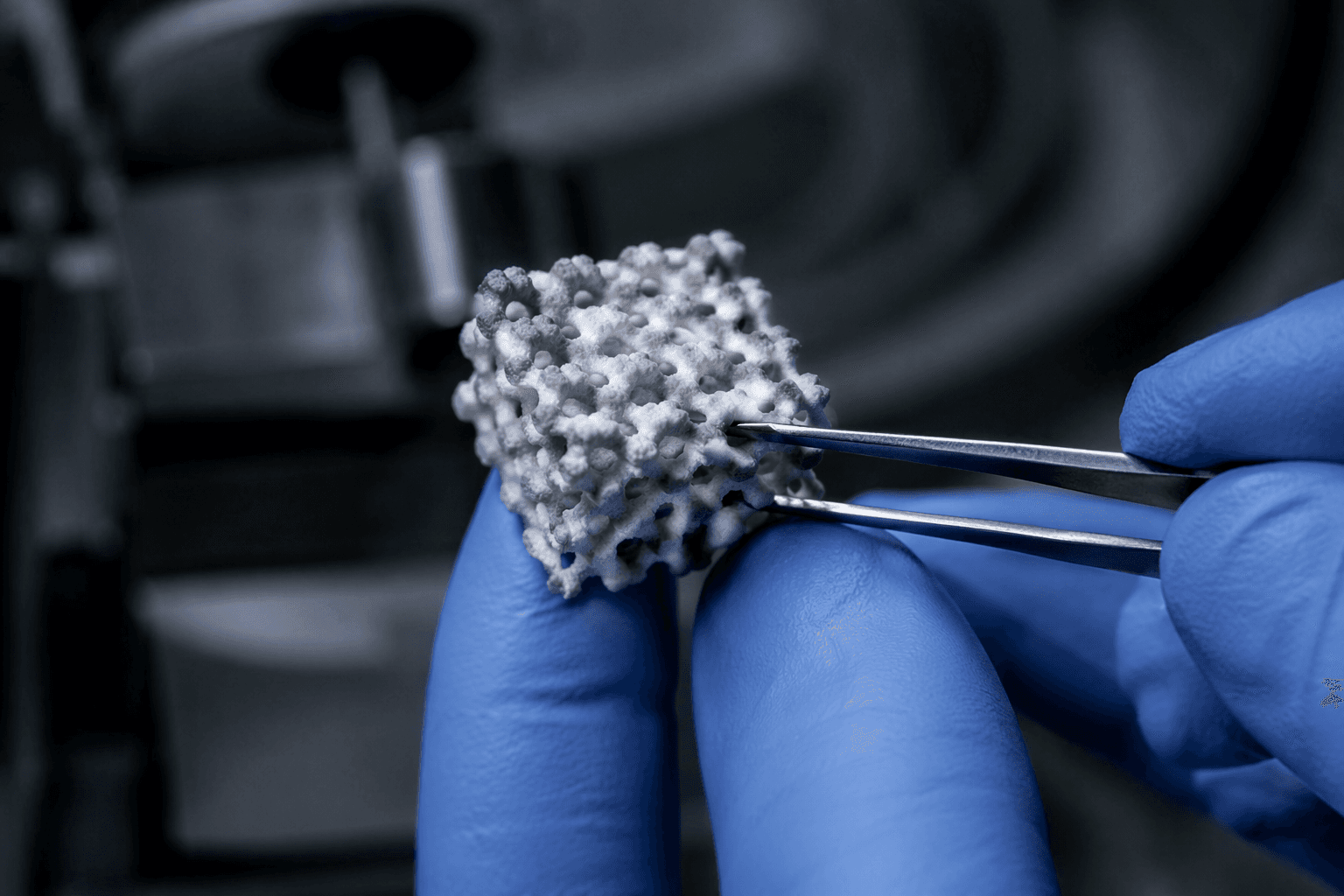
That is where this story moves past the usual 3D printing headline. In medical ceramics, geometry is the product. A dense printed block is just a spacer. A porous scaffold with bone-like internal structure can act more like a repair template, guiding the body’s own regeneration instead of simply filling a void. Tampere’s team used hydroxyapatite, the same compound that makes up the mineral structure of natural bone, and said subtle changes in chemistry and surface properties affected cell behavior. The heat required in processing also made cell attachment harder, which is exactly the kind of problem that separates a lab demonstration from a real implant workflow.
The stakes are not small. Tampere University says bone grafting is the second most common tissue transplantation procedure worldwide, with more than two million operations every year. Current treatments often depend on autograft bone or donor bone, both of which come with tradeoffs: limited supply, extra surgery, longer recovery and possible complications. The university says the aim is affordable scaffolds for bone augmentation procedures, tailored to each patient’s defect without relying on drugs or growth factors that can bring side effects.
The project did not come out of nowhere. It grew out of four years of research in AffordBoneS, funded through the Horizon Europe Marie Skłodowska-Curie Postdoctoral Fellowship programme, and an ongoing project called GlassBoneS is set to push the work further. Tampere’s broader cerAM project, which ran from November 1, 2021 to October 31, 2024, also points to a larger institutional push around ceramic processing and additive manufacturing, with a total budget of almost €3 million.
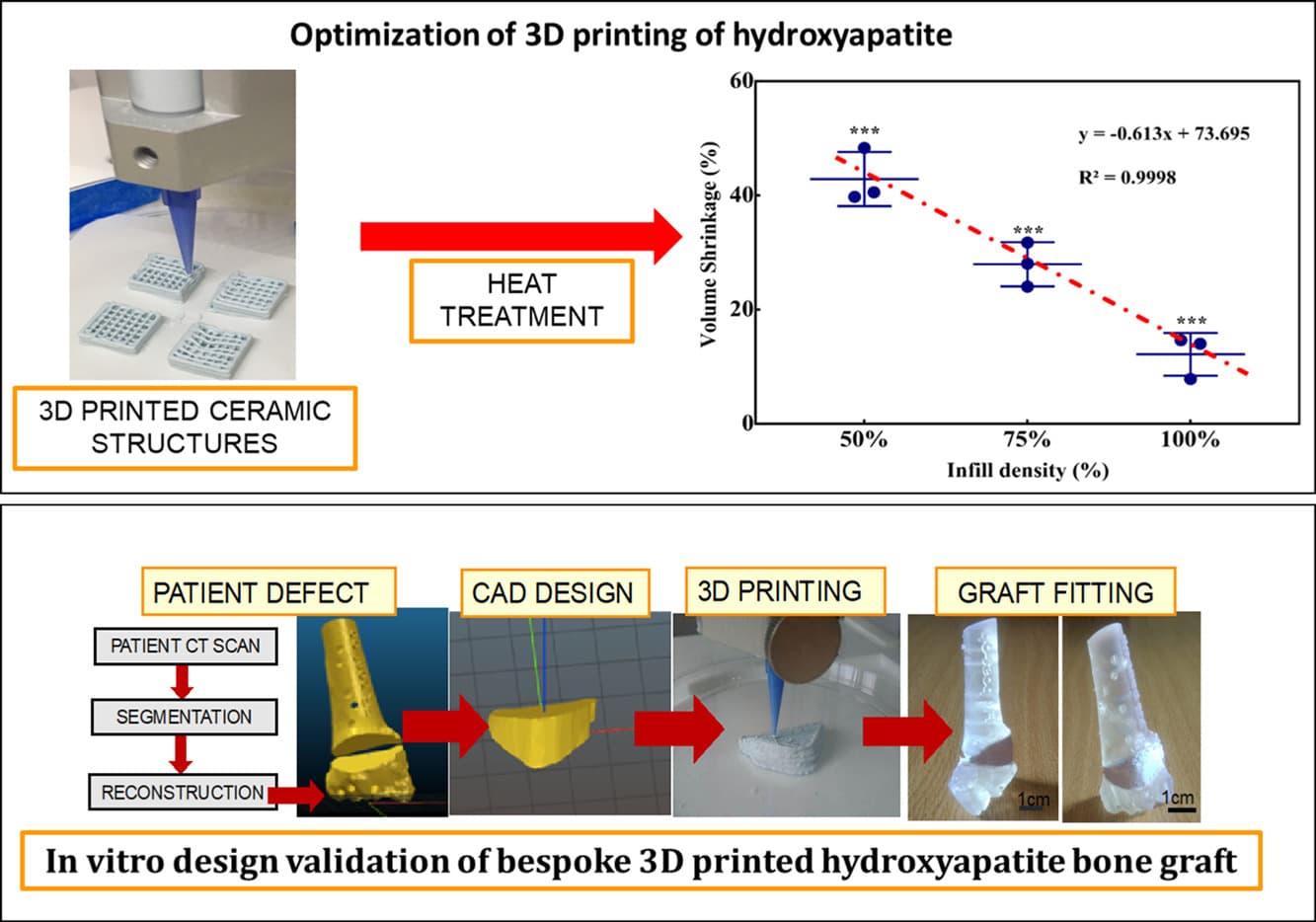
The practical promise is easy to see, even if routine surgical use is still a way off. Tampere University says individually designed bone grafts could be available within a decade. For now, the important breakthrough is the same one bone itself has already solved: not just strength, but structure.
This article was produced by Prism’s automated news system from verified source data, official records, and press releases, then run through automated quality and moderation checks before publishing. The system is built and supervised by the people who set the standards it runs under. Read our full AI policy.
Did this article answer your question?