UKAEA and Nottingham fund DIADEM to 3D-print tungsten-copper metamaterials
UKAEA and the University of Nottingham funded DIADEM to develop multi-material LPBF that fuses tungsten and copper into metamaterials for fusion-ready components.
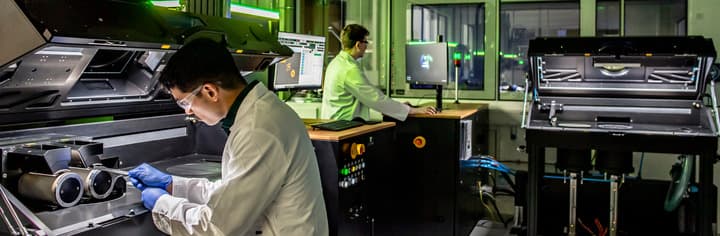
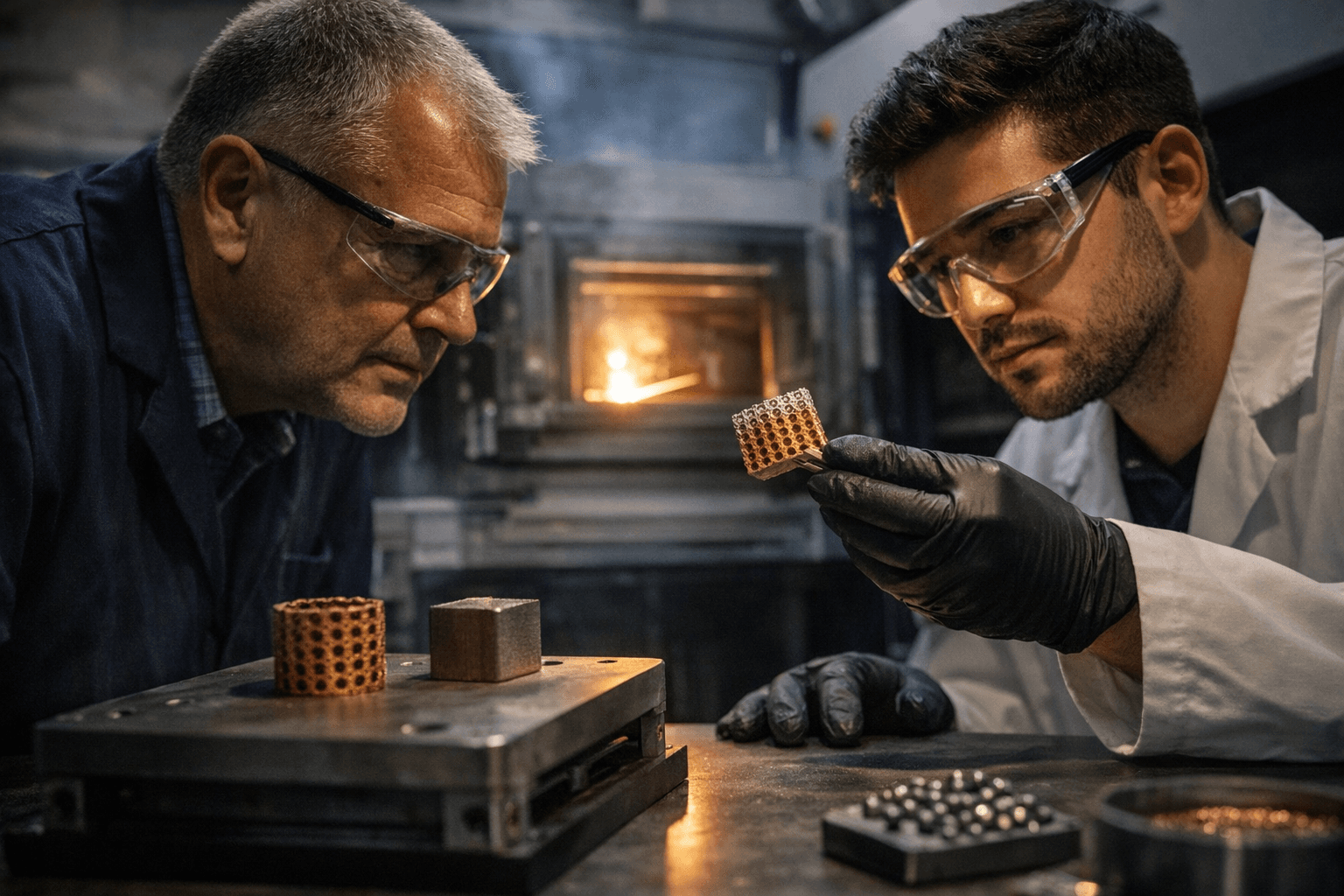
The UK Atomic Energy Authority and the University of Nottingham’s Centre for Additive Manufacturing have funded DIADEM (Design of Interfaces for Additively Engineered Materials) to push multi-material laser powder bed fusion (LPBF) toward real-world fusion applications. The project will develop ways to join tungsten and copper into engineered metamaterials that can survive the extreme heat fluxes, neutron loads, and magnetic fields inside fusion reactors.
Announced on January 15, 2026, DIADEM brings together academia, UKAEA, and industry partners including Rolls-Royce to solve a classic materials problem for metal AM: how to combine dissimilar metals with wildly different melting points, thermal conductivities, and mechanical behavior. Tungsten offers exceptional high-temperature and radiation tolerance, while copper delivers thermal conductivity and electrical performance. Creating robust, graded interfaces between them using LPBF could enable components that are both heat-managing and structurally resilient.
For the 3D printing community, the practical value is twofold. First, the project will advance multi-material LPBF process know-how: powder handling and segregation control, laser strategy for sequential or simultaneous melting, microstructural control across interfaces, and post-build treatments to relieve stresses and improve bonding. Second, the work will generate test cases and design strategies for metamaterials - architected internal geometries and tailored interfaces that blend mechanical performance with thermal and electromagnetic functionality. Those outcomes can be reused in aerospace, defense, and other high-value sectors that need compact, multi-functional metal parts.
DIADEM addresses technical hurdles familiar to anyone who has tried to print dissimilar metals. Thermal expansion mismatch and the brittleness of refractory metals like tungsten create stress concentrations at joins, while copper’s high thermal conductivity changes melt-pool dynamics. Solving these issues requires both materials science and build-physics solutions: graded transitions, interlayer alloying or diffusion layers, controlled cooling, and possibly hybridising LPBF with joining techniques. The partnership model - linking UKAEA’s fusion requirements with university labs and industrial manufacturing partners - is designed to translate lab-scale recipes into industrial-scale practices.
This work sits within a broader UK additive manufacturing strategy focused on high-value manufacturing and critical national capability. If DIADEM succeeds, the direct beneficiaries will be fusion engineering programs that need compact, durable heat-handling components. Indirectly, designers and workshops across the metal AM community will get new toolkits for joining metals that previously were impractical to combine.
Expect technical papers, process datasets, and prototype demonstrators as the project progresses. For practitioners, keep an eye on developments in multi-material LPBF parameters, interface design patterns, and post-process protocols - these will be the transferable outputs you can apply to non-fusion projects seeking to "fuse" performance from two very different metals.
Know something we missed? Have a correction or additional information?
Submit a Tip