UMass Amherst awarded $3.6M for NanoOne Bio 3D printer, expands bioprinting access
UMass Amherst received nearly $3.6M to buy a NanoOne Bio two-photon 3D printer and mass spectrometer, widening campus access to sub-micron bioprinting and hands-on training.
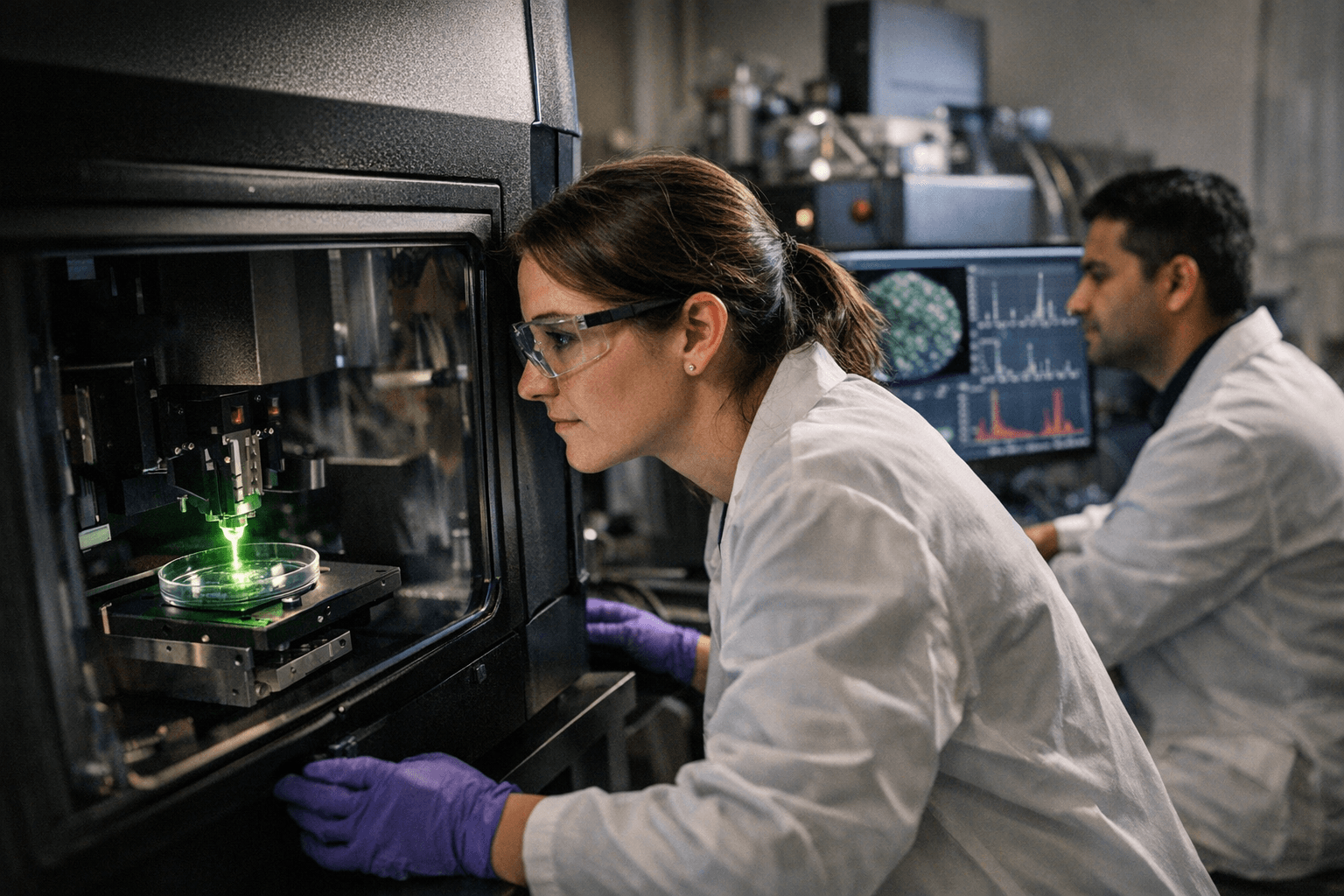
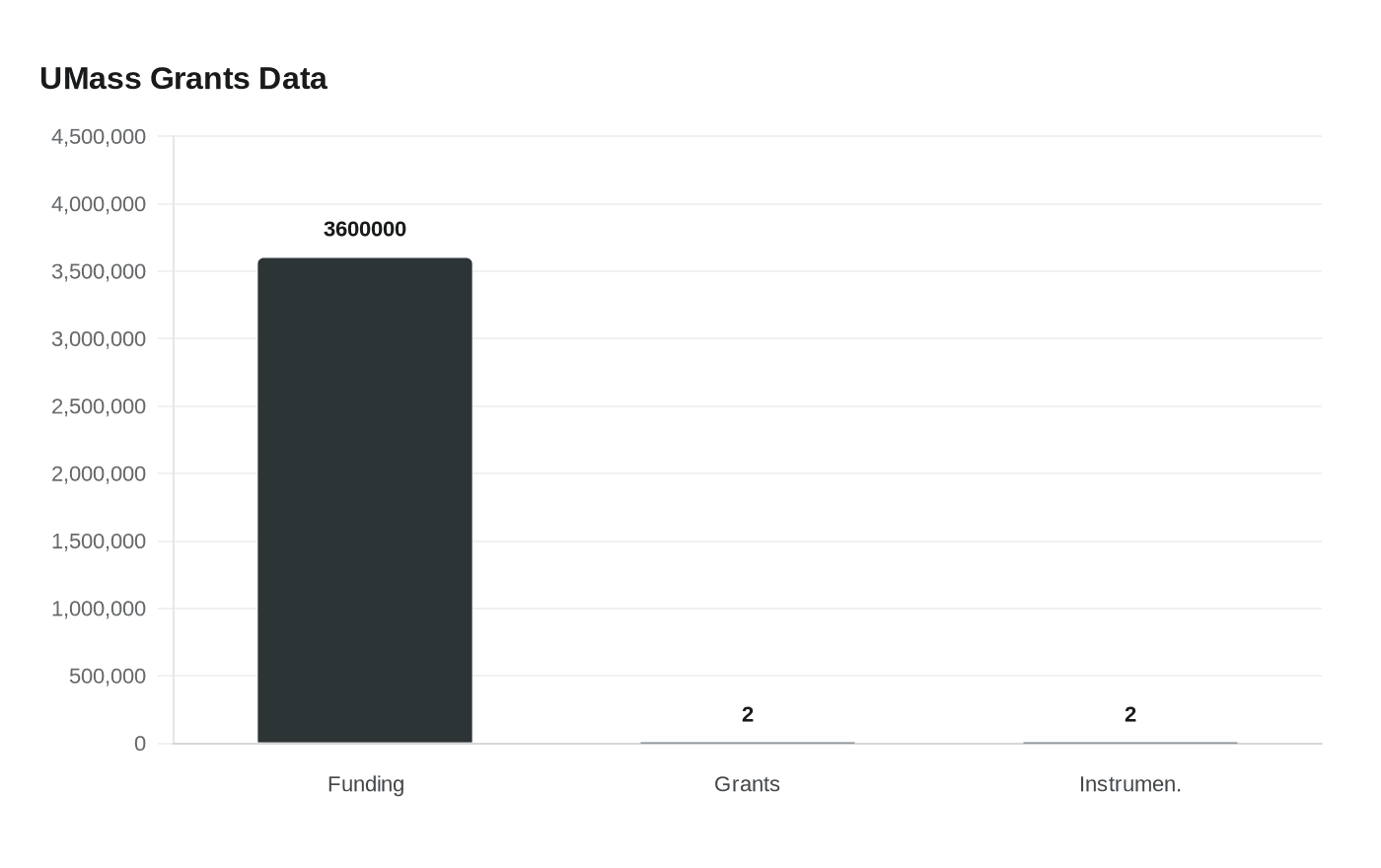
UMass Amherst’s Institute for Applied Life Sciences was awarded nearly $3.6 million in two grants from the Massachusetts Life Sciences Center Research Infrastructure Program to expand high-resolution biofabrication and analytical capacity on campus. The funding will purchase a timsTOF fleX mass spectrometer and a NanoOne Bio two-photon polymerization direct-laser-writing 3D printer from UpNano for the university’s Advanced Digital Design and Fabrication (ADDF) Core Facility.
The NanoOne Bio system brings true two-photon polymerization resolution to UMass researchers and local startups, enabling fabrication of complex sub-micron structures such as bio-scaffolds, organ-on-a-chip devices, and microfluidic components. Two-photon polymerization and direct-laser-writing techniques allow users to define features at the nanoscale, which matters for tissue-engineering scaffolds, precise channeling in organ-on-chip platforms, and optical or mechanical microstructures where feature size controls function.
Adding the timsTOF fleX mass spectrometer complements the NanoOne Bio by improving materials characterization and biochemical analysis. Combined, the equipment will support iterative design-build-test cycles on campus: rapid prototyping on the NanoOne Bio, then molecular and proteomic assessment on the timsTOF fleX to validate materials, coatings, or biological responses. That integration accelerates translation from benchtop concept to preclinical testing for academic labs and startups working out of the UMass ecosystem.
The ADDF Core Facility will make the new instruments available for research, training, and translational projects, expanding access beyond specialized labs. For students, access to two-photon direct-laser-writing gives hands-on experience with sub-micron fabrication workflows, digital model-to-device pipelines, and post-processing methods that employers seek in medtech and microfabrication. For regional entrepreneurs, the combination of nanoscale printing and high-resolution mass spectrometry lowers barriers to prototyping and characterization without the time and cost of outsourcing.
UMass Amherst’s investment follows a broader trend of universities supplying advanced fabrication tools to train a workforce fluent in bioprinting and microfabrication, and to host early-stage device development. UpNano’s NanoOne Bio platform is designed for the kinds of precision work that enables organ-on-chip complexity and microfluidic integration, while the timsTOF fleX provides sensitive analytical follow-up needed for translational studies.
For community members using the ADDF Core Facility, expect new capabilities for high-precision biofabrication, closer integration between fabrication and analysis, and expanded opportunities for student training and startup translation. The next steps will be integrating the instruments into ADDF workflows and launching training and access programs to put sub-micron bioprinting into routine use on campus.
This article was produced by Prism’s automated news system from verified source data, official records, and press releases, then run through automated quality and moderation checks before publishing. The system is built and supervised by the people who set the standards it runs under. Read our full AI policy.
Did this article answer your question?