University of Leeds Partners With Spellman Care to 3D Print Nutritious Meals for Elderly Residents
Leeds researchers are 3D printing realistic food shapes for elderly care home residents with dysphagia, turning pureed meals into something "safe, nutritious and joyful again."
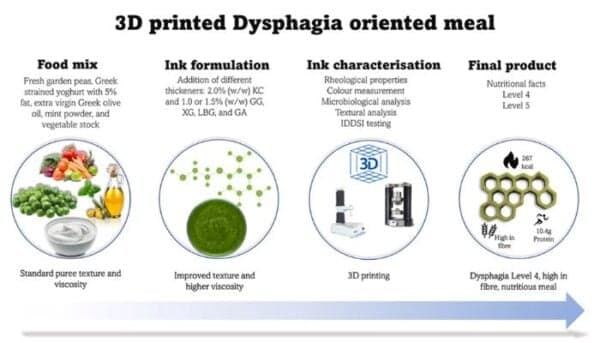
The University of Leeds has launched a research collaboration with Yorkshire care provider Spellman Care to investigate whether 3D-printed food can transform mealtimes for elderly residents who live with dysphagia, a swallowing condition that forces many to eat texture-modified diets under the IDDSI (International Dysphagia Diet Standardisation Initiative) framework.
The problem the project targets is familiar to anyone who has worked in care catering: traditional texture-modified meals, typically served as mashes or purees to reduce choking risk, often lose their visual appeal and can fall short on nutritional density. Researchers describe 3D printing as a route to making that food "safe, nutritious and joyful again," restoring realistic shapes and consistent nutrient content without compromising swallowing safety.
Dr. Steffen Hirth, Research Fellow in Sustainable and Resilient Food Systems at the University of Leeds, led the initial phase of the collaboration through a series of in-depth, semi-structured interviews conducted across Spellman Care's individual homes in Yorkshire. Each site participated separately, with the head chef joined by a colleague carrying specialised nursing or care expertise. The pairing was deliberate: the sessions were structured to capture both kitchen operational realities and clinical considerations in a single conversation, ensuring any technology emerging from the research fits a genuinely busy care environment.
Head chefs Luke Moorhouse, Craig McCarthy, Trevor Aebi, and Eve Kelk contributed a joint statement reflecting on those sessions: "While we take great pride in the presentation of our current IDDSI meals, the potential for 3D printing to provide consistent, nutrient-dense, and highly realistic food shapes is incredibly exciting. It was invaluable to have our questions answered regarding the technology and to provide direct feedback on what would and wouldn't work within a real-world care home environment. This ensures the tech is practical, not just innovative."
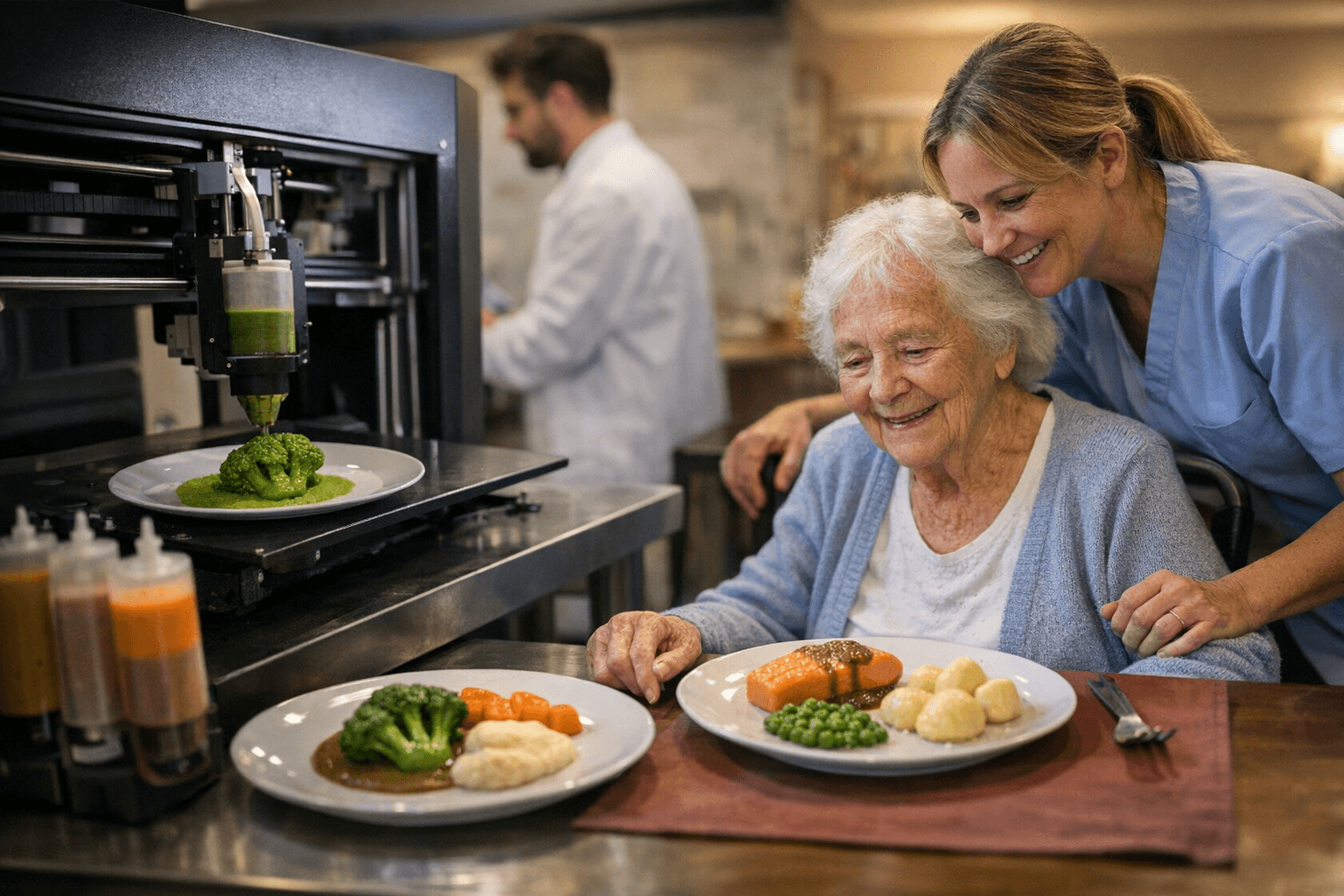
That emphasis on practicality over novelty sets the tone for what comes next. Representatives from Spellman Care are scheduled to travel to the University of Leeds within the coming weeks to trial 3D-printed food prototypes firsthand. Specific dates, prototype formulations, and evaluation criteria have not yet been disclosed, and the number of Spellman Care homes involved in the study has not been published, leaving those details as obvious targets for follow-up from both institutions.
What is already clear is that the project places care home kitchen staff at the centre of the design process rather than presenting them with a finished technology to adopt, a distinction the head chefs explicitly flagged as the reason the research feels grounded rather than theoretical. Whether the prototypes survive contact with a real care kitchen will become apparent once those Leeds trials begin.
This article was produced by Prism’s automated news system from verified source data, official records, and press releases, then run through automated quality and moderation checks before publishing. The system is built and supervised by the people who set the standards it runs under. Read our full AI policy.
Did this article answer your question?