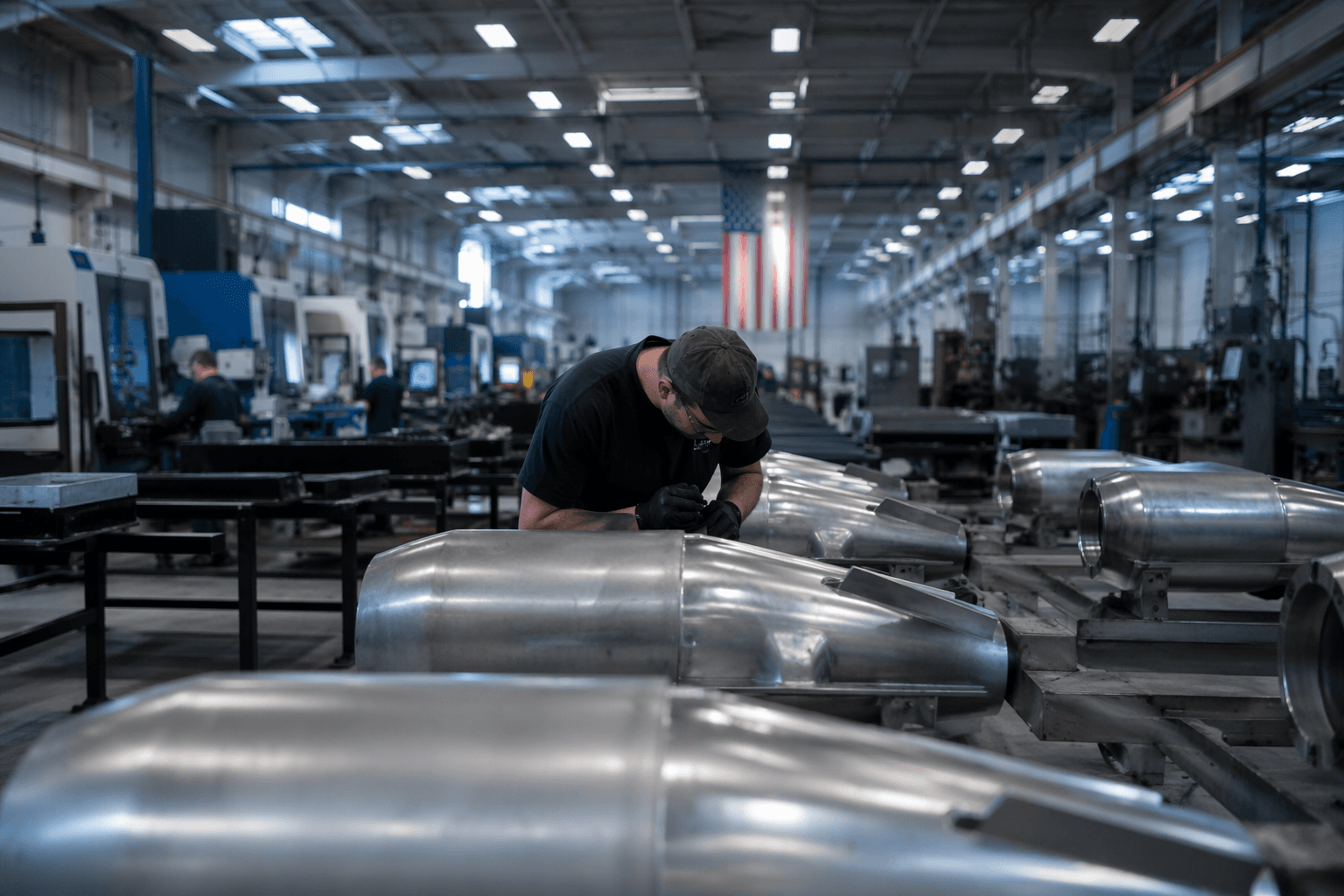
Velo3D Wins $9.8M, Five-Year DoD Contract for Metal AM Parts
Velo3D's $9.8M, five-year DoD IDIQ under the JAMA program sets a repeatable-qualification bar for metal AM that will reshape service bureau standards industry-wide.
Velo3D picked up a $9.8 million, five-year Indefinite Delivery/Indefinite Quantity contract from the Defense Logistics Agency on March 30, placing the Fremont, Calif.-based metal AM company at the center of a Pentagon push to qualify and stockpile 3D-printed spare parts across all five military branches.
The award falls under the Defense Logistics Agency's Joint Additive Manufacturing Acceptability (JAMA) Pilot Parts Program, an initiative built around a specific problem: the DoD cannot readily buy qualified additively manufactured replacement parts at scale because the procurement pathways and technical qualifications to do so don't yet exist in any systematic form. JAMA exists to build them. The program seeks to establish repeatable technical qualifications and procurement pathways for spare and replacement parts, strengthen supply chain resilience, address obsolescence, and enable faster delivery of mission-critical components that have historically faced long lead times, diminished manufacturing sources, or limited domestic supplier availability.
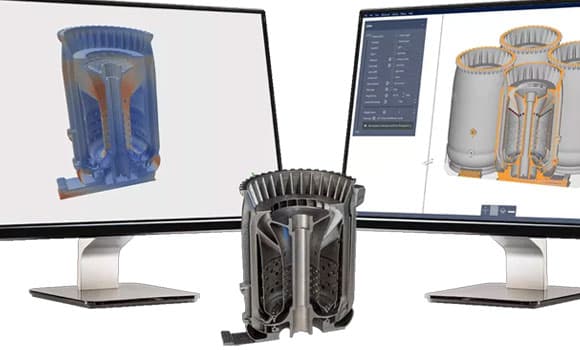
Velo3D's role in that framework centers on two pieces of its platform: industrial-scale Laser Powder Bed Fusion (LPBF) systems and its Rapid Production Solution (RPS) framework, which moves a part from design through print qualification to deliverable hardware at production scale. The contract, in its own language, "establishes a flexible acquisition pathway enabling DLA to procure qualified additively manufactured components to support readiness requirements across the Army, Navy, Air Force, Marine Corps, and Space Force." Under an IDIQ structure, each service branch can place task orders against that vehicle without running a new competitive acquisition, which is precisely the speed-of-procurement benefit the JAMA program is designed to deliver.
Velo3D has been accumulating defense-sector credentials throughout the year. Earlier in 2026, an unnamed U.S. defense contractor tapped its Rapid Production Solution under a separate multi-year agreement. The U.S. Army Ground Vehicle Systems Center (GVSC) qualified the company to support AM integration into the Defense Industrial Base supply chain, and Velo3D is also developing and qualifying complex parts through a U.S. Army Cooperative Research and Development Agreement. The JAMA IDIQ formalizes that trajectory: Velo3D now holds a DLA acquisition vehicle that the covered branches can draw from on an ongoing, task-order basis.
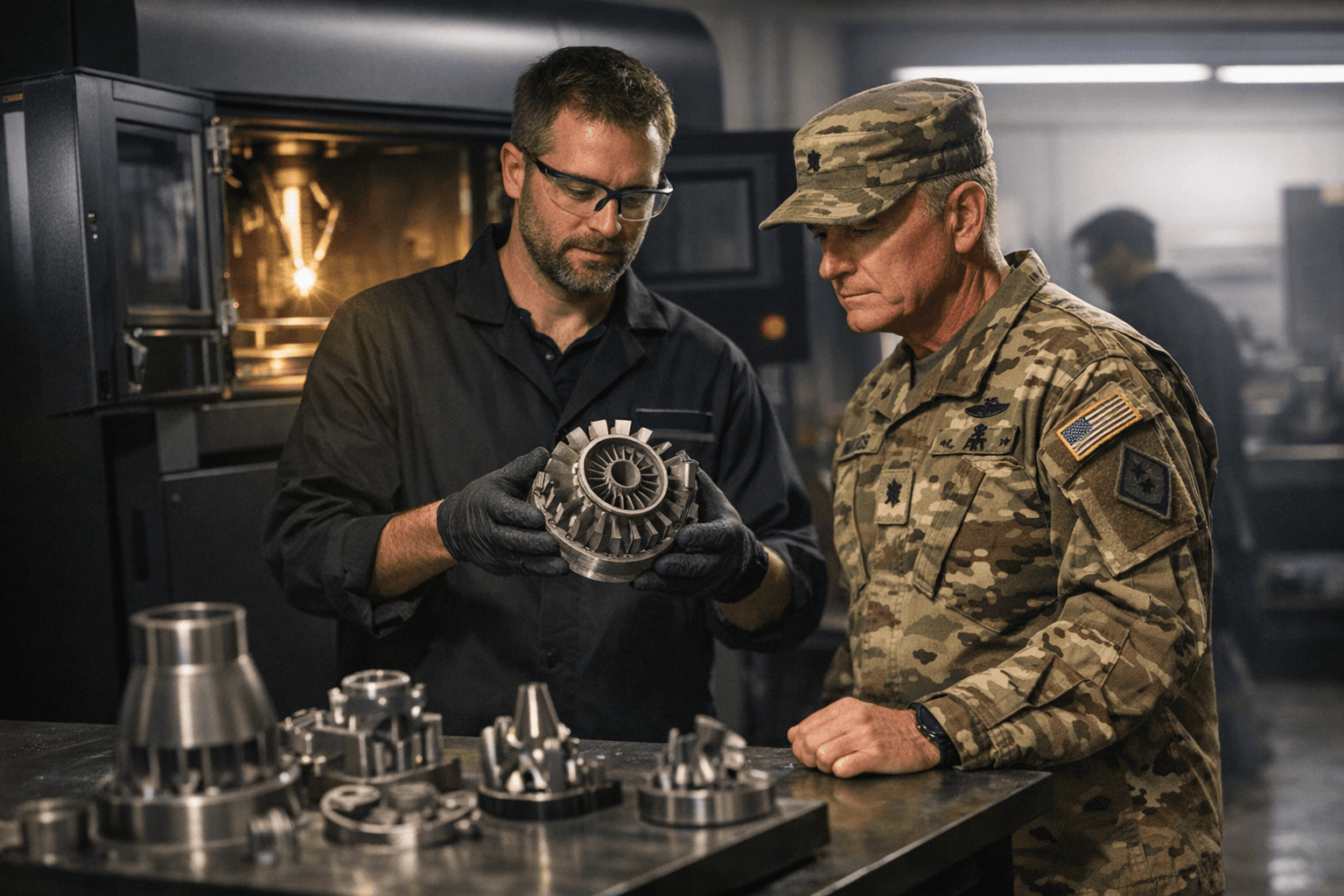
For anyone tracking the commercial metal AM services market, the technical demands embedded in JAMA represent the quality bar to benchmark against. Repeatable technical qualification means documented print parameters, material certification, closed-loop process monitoring, and post-process inspection that generates traceable data. Service bureaus angling for defense or aerospace work will need to match that discipline, which translates to tighter certificates of conformance, machine-level process logging, and qualification packages that resemble AS9100 workflows rather than the looser material data sheets common in prosumer-tier services today. Velo3D's five-year IDIQ gives suppliers enough runway to invest in that infrastructure.
Investors read the contract as a meaningful signal. Velo3D shares rose 10.33% in pre-market trading on March 30 to $9.90 on Nasdaq, a single-morning move that reflects how thin the qualified-supplier list for this kind of work still is. On the same day, Stratasys announced its own U.S. government contract for an initiative to accelerate qualification and deployment of 3D-printed parts across military platforms and systems, a parallel development suggesting the DoD is constructing multiple IDIQ-style acquisition lanes simultaneously rather than concentrating on a single vendor.
The practical watch list for the metal AM community covers three converging areas: price compression on LPBF service bureau quotes as higher-volume government work spreads fixed qualification costs across more parts; broader availability of certified builds in materials that match DoD part families such as titanium and nickel superalloys; and deepening investment in real-time process monitoring software that generates the traceability records JAMA-style programs will require. The qualification framework being built for the DLA today is the commercial standard arriving for everyone else tomorrow.
This article was produced by Prism’s automated news system from verified source data, official records, and press releases, then run through automated quality and moderation checks before publishing. The system is built and supervised by the people who set the standards it runs under. Read our full AI policy.
Did this article answer your question?