Volkmann Launches PowTReX Automating Enclosed Metal Powder Handling and Sieving
Volkmann launched the PowTReX, an enclosed, portable, explosion-protected system that automates metal powder transfer and sieving to cut contamination and operator exposure.
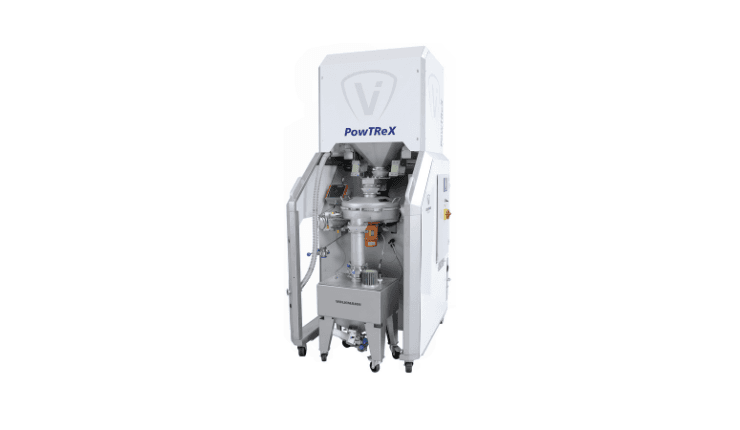
Volkmann launched a next-generation powder conveying and handling system designed to automate the messy, hazardous steps around metal additive manufacturing. The PowTReX package combines enclosed, explosion-protected powder transfer with automated extraction and sieving of returned powder, then feeds sieved, on-spec material back into production flows to reduce manual handling, contamination risk, and operator exposure.
Volkmann announced the upgrade on January 27, 2026, positioning PowTReX for multi-printer production floors where repeatable powder management is a bottleneck to scaling metal AM. The system is portable, which allows shops and service bureaus to deploy the unit across lines or cells rather than hard-mounting bespoke infrastructure. Its explosion-protected enclosure addresses NFPA-style concerns around combustible metal dust while keeping powder handling contained.
The PowTReX automates powder transfer from storage to printers and extracts returned powder after builds for sieving. Sieving removes oversize particles and agglomerates, returning qualifying material directly into the production stream instead of leaving it for manual rework or discard. That closed-loop handling cuts contamination pathways that can degrade part quality and reduces operator exposure to respirable powders and ignition risks that have complicated shop-floor workflows.
Material support is broad: Volkmann designed PowTReX for titanium, stainless steels, nickel alloys, copper, tungsten, and other common AM chemistries. An optional inert-gas variant expands usability to oxygen-sensitive powders, which matters for materials such as titanium and certain nickel alloys where controlled atmosphere handling preserves powder integrity and reduces oxidation-related defects.
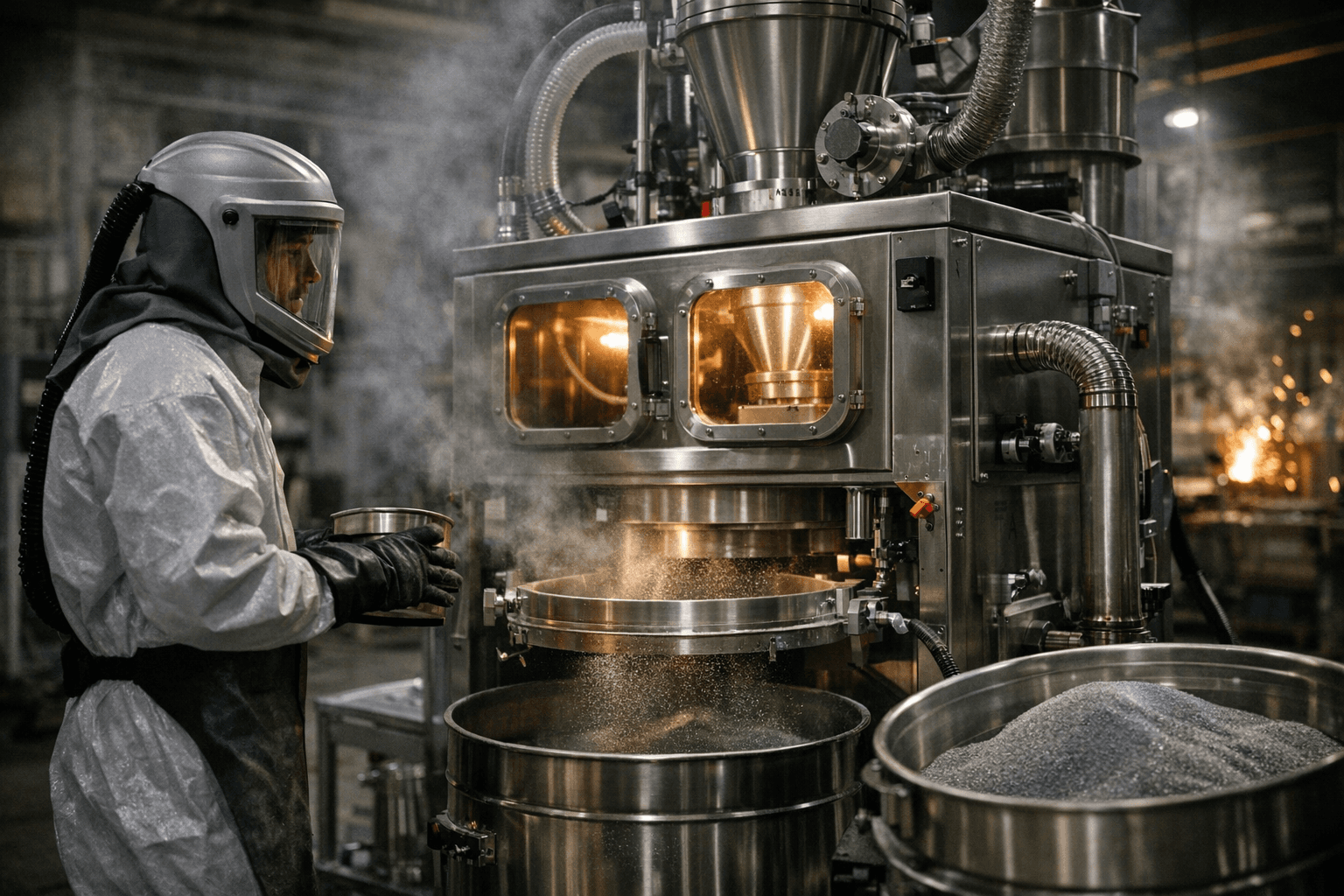
For production teams, the practical value is immediate. Consistent sieving and enclosed conveying lower rework rates stemming from contaminated or agglomerated powder, improve powder traceability, and shorten the downtime tied to manual powder handling. For operators, the system reduces direct contact with powders and the need for frequent respirator use and glove changes driven by manual transfers. For shops chasing scale, PowTReX targets a key operational variable: predictable, repeatable powder condition across multiple printers.
Integration will be the next test. Users will evaluate how PowTReX interfaces with their storage, recipe, and quality-control routines, and whether the inert-gas option fits existing gas handling systems. Adoption will likely focus first on service bureaus and small-scale production shops that run multiple metal printers and need tighter control over powder quality without major facility overhauls.
PowTReX changes one of the industry’s least glamorous but most consequential workflows: powder management. Expect shops to weigh the upfront cost against lower contamination-related scrap, faster turnarounds, and a safer shop floor as they decide whether enclosed, automated powder handling becomes standard equipment in metal AM cells.
Know something we missed? Have a correction or additional information?
Submit a Tip