Washington bans 3D gun files, igniting constitutionality and enforcement debate
Washington’s new law targets gun CAD files, not just printed parts, raising a fresh question: how would possession of digital code on a drive or cloud account be found?
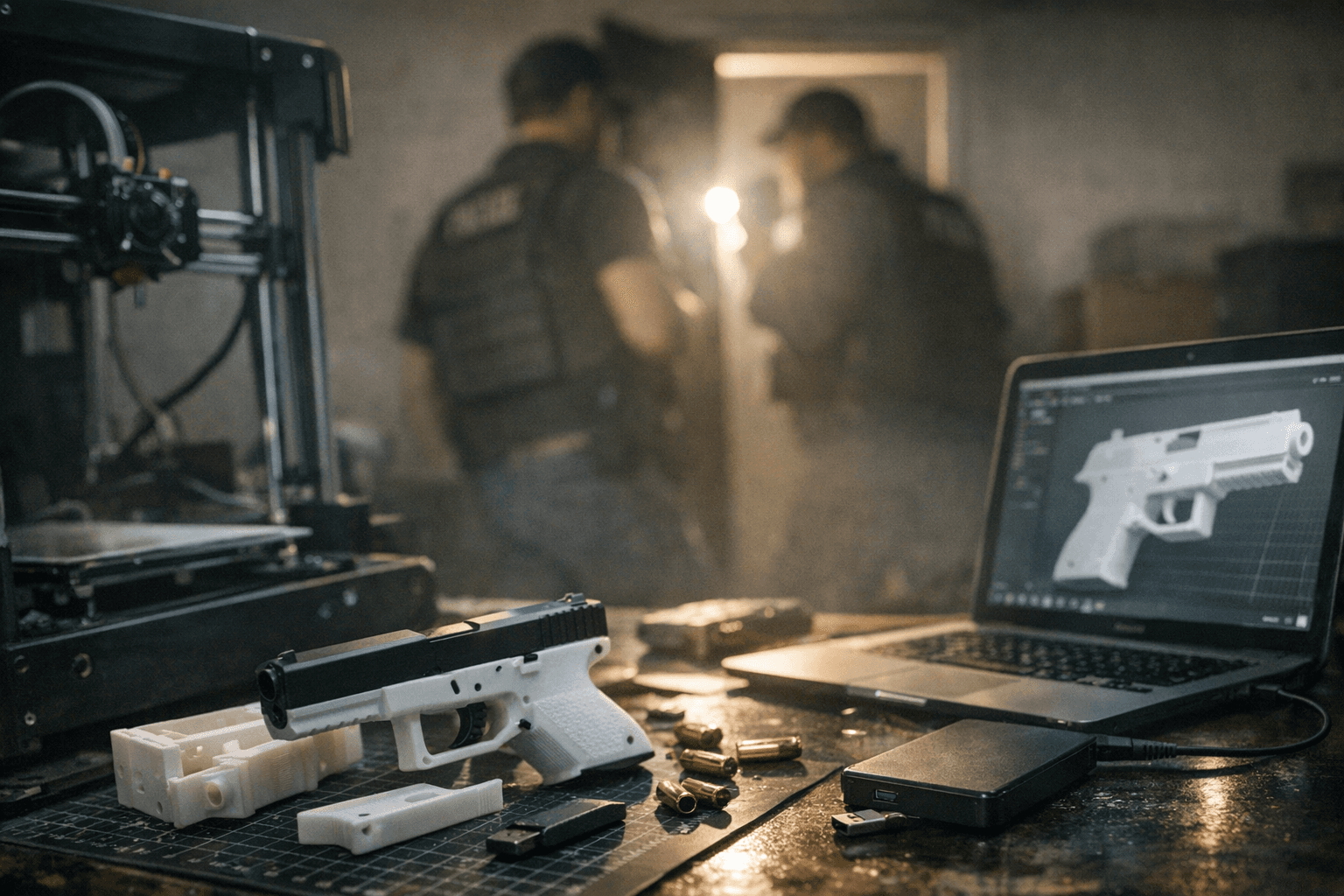
Washington has pushed ghost-gun regulation into a new corner of the maker world: digital files themselves. HB 2320, now Chapter 203, 2026 Laws, took effect on March 24, 2026 and explicitly defines “digital firearm manufacturing code” as CAD files or other electronic instructions that can program a 3D printer or CNC milling machine to make a firearm or firearm component.
That shift creates the law’s biggest enforcement gray area. The statute bans possession, sale, transfer, offer, or distribution of certain digital firearm manufacturing code, subject to exceptions, but it does not answer the practical question hobbyists immediately see: how would state or local authorities actually detect a file sitting on a laptop, in a cloud folder, or in a slicer workflow? That uncertainty is already driving the constitutionality fight, with critics arguing the measure reaches neutral software and hardware and could set a precedent for broader regulation of printable CAD files.
The policy goes beyond Washington’s earlier ghost-gun rules because it does more than penalize the physical gun. HB 2320 also prohibits manufacturing certain firearms and firearm components through a 3D printer or CNC milling machine, again with exceptions, and the legislature framed the measure as a response to the public-safety threat posed by undetectable and untraceable firearms. The House passed the bill 57-39 on February 16, 2026 after it was prefiled on January 8, 2026.
For makers, the new law matters because it reaches past finished parts and into the digital files that drive desktop fabrication. Washington’s existing untraceable-firearm law already carried a $500 civil infraction for violations, and HB 2320 amends multiple firearm statutes in Chapter 9.41 RCW rather than creating a separate criminal code. That structure leaves open another practical issue: whether ordinary users who store or share design files, even without printing them, could be pulled into disputes over possession or distribution.
Washington has been moving in this direction for years. In 2019, Bob Ferguson’s office backed legislation that would have barred the manufacture or possession of untraceable, undetectable 3D-printed guns and blocked sending printable gun files to people barred from owning firearms. The state also joined an earlier multi-state lawsuit in Seattle challenging the federal government’s decision to allow downloadable blueprints for a 3D-printed gun.
Supporters say HB 2320 closes a loophole created by downloadable gun files and newer printing tools. Opponents say it could sweep up ordinary 3D-printer users, software platforms, and general-purpose technology, while inviting First Amendment and Second Amendment challenges that will likely test how far a state can go in policing digital instructions instead of metal, plastic, or finished firearms.
This article was produced by Prism’s automated news system from verified source data, official records, and press releases, then run through automated quality and moderation checks before publishing. The system is built and supervised by the people who set the standards it runs under. Read our full AI policy.
Did this article answer your question?