Austin breaks ground on eight new pickleball courts after decade-long push
After nearly a decade of organizing, Austin finally broke ground on eight dedicated pickleball courts at Rotary Centennial Park. Supporters hope to have them playable by September.

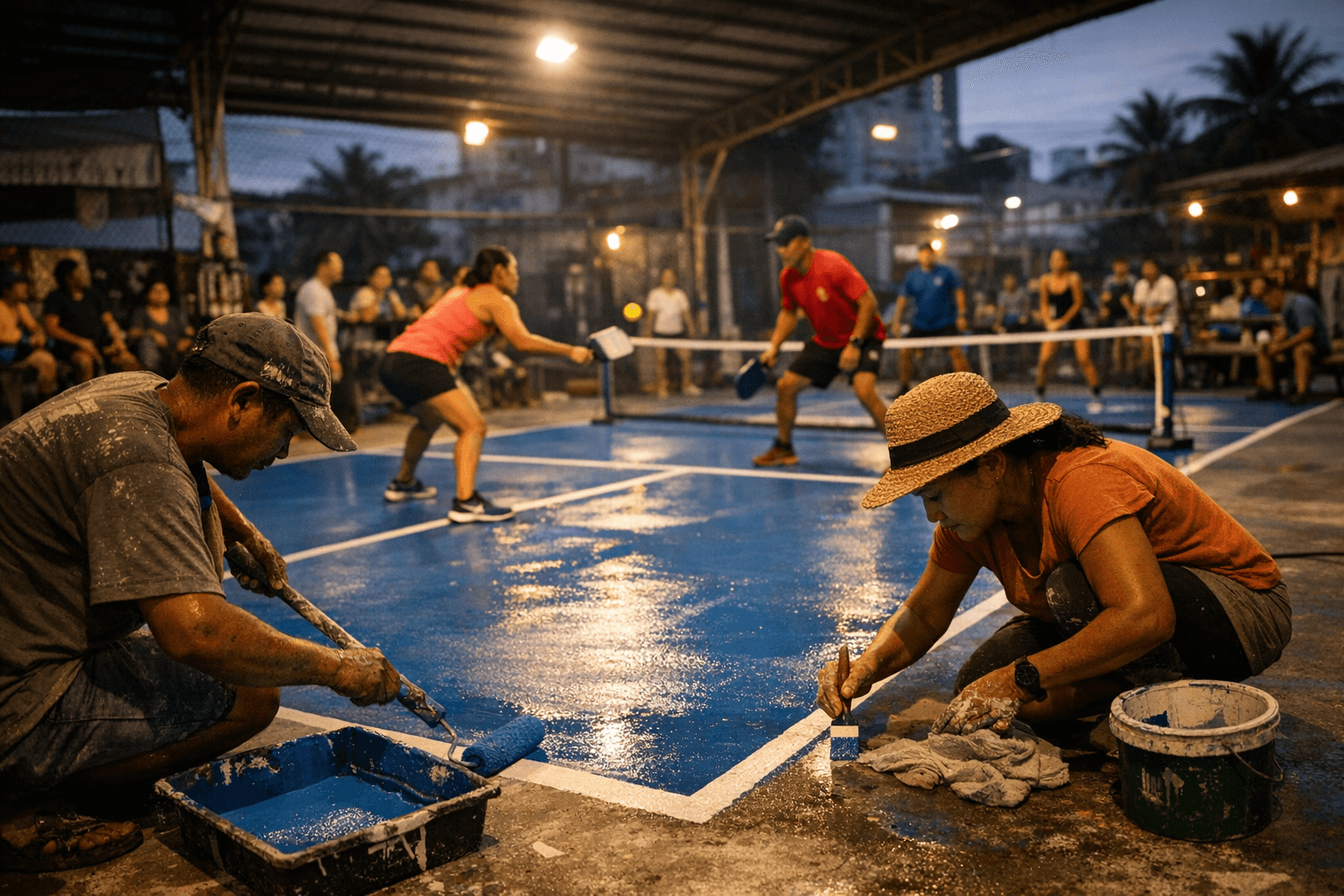
Eight new pickleball courts at Rotary Centennial Park turned a long-running community campaign into real construction, giving Austin a dedicated place to play after years of scrambling for reliable court time.
The city broke ground on the project on April 24, 2026, capping nearly a decade of work by the Austin Minnesota Area Pickleball Association, which had pressed for proper public courts because existing options in town were not enough to meet demand. The project has already raised $510,000, a sign that the effort moved well beyond talk and into the practical business of funding, planning and getting municipal approval.
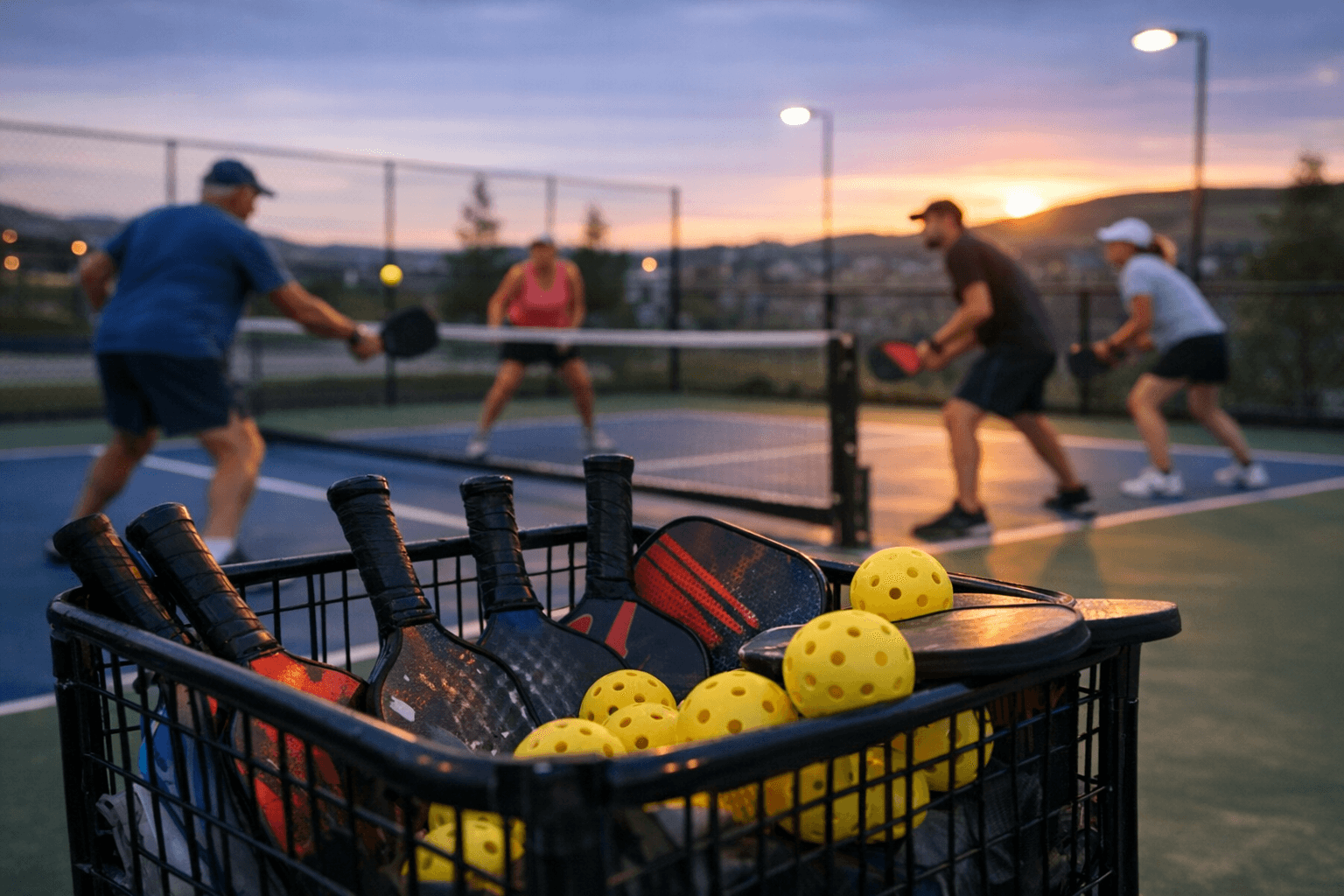
For local players, the number that matters now is eight. That is the size of the new buildout at Rotary Centennial Park, and it is the difference between a shortage and something closer to a stable home base. With dedicated courts in place, Austin should be able to handle more casual open play, better schedule regular use and create room for clinics or smaller competitions without forcing players to compete for limited space elsewhere in the city.
Supporters hope the courts will be playable by September, a timeline that matters as much as the groundbreaking itself. In amateur pickleball, access is often the bottleneck, not interest. Austin’s push shows how much coordination it can take before a city can turn a popular game into permanent infrastructure: player advocacy, fundraising, city cooperation and patience, all stacked over years rather than months.
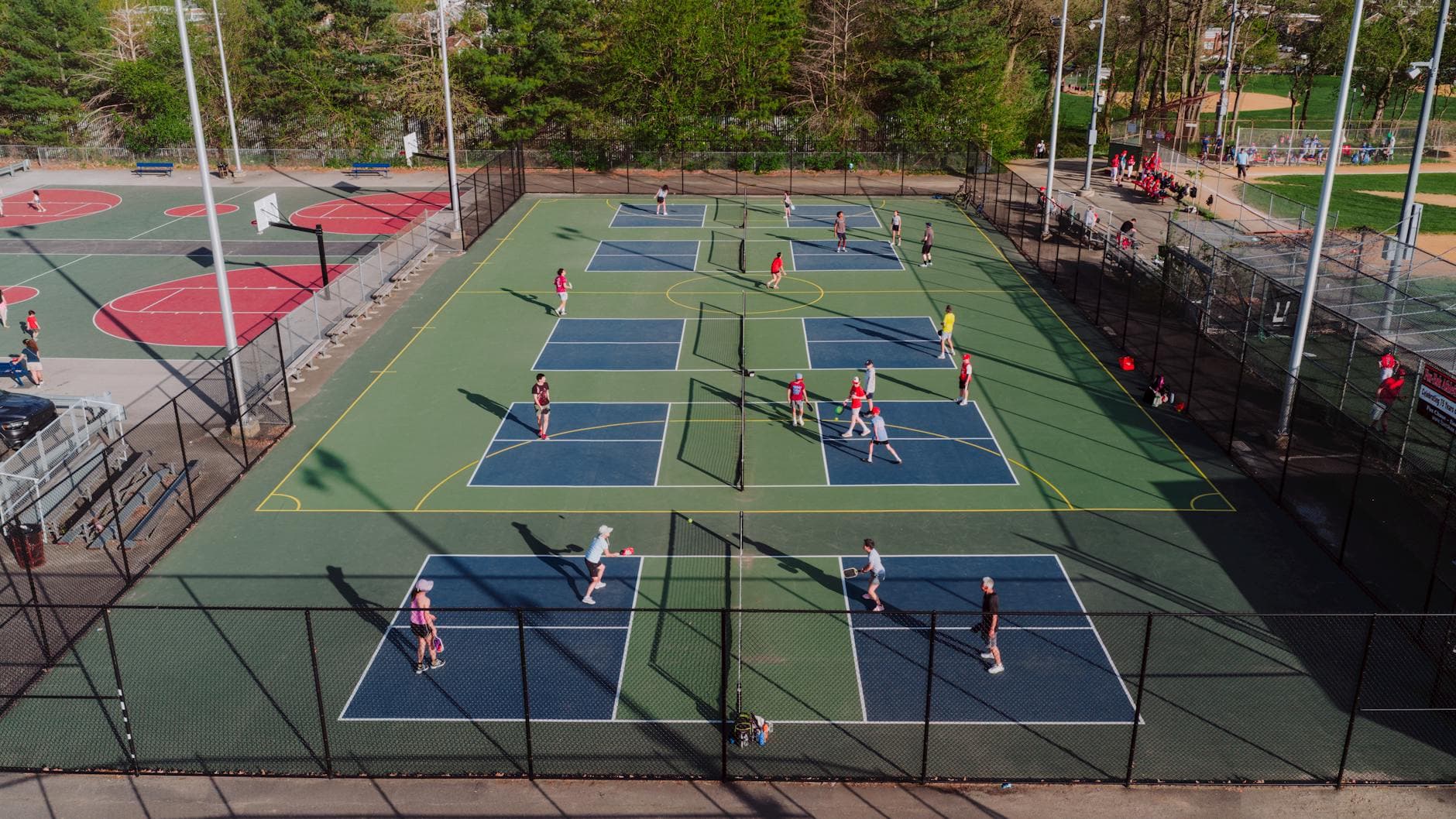
That is the larger takeaway from Austin’s project. AMAPA did not just ask for more places to play. It stayed organized long enough to help push the city from a scarcity mindset toward a more durable recreation model. The result is a public facility built to last, not a temporary fix, and that gives the local pickleball scene a chance to grow on steadier ground.
If the September target holds, Austin will have a clean example for other small markets trying to win their own courts: stay organized, keep raising money, and keep the issue in front of city leaders until the project stops being a wish and starts being concrete.
Know something we missed? Have a correction or additional information?
Submit a Tip