Geisinger Medical Students Host Charity Pickleball Tournament for Pediatric Cancer Families
Geisinger medical students are filling a pickleball court for pediatric cancer families on April 19; registration closes April 12 with spots capped at 10 teams per division.
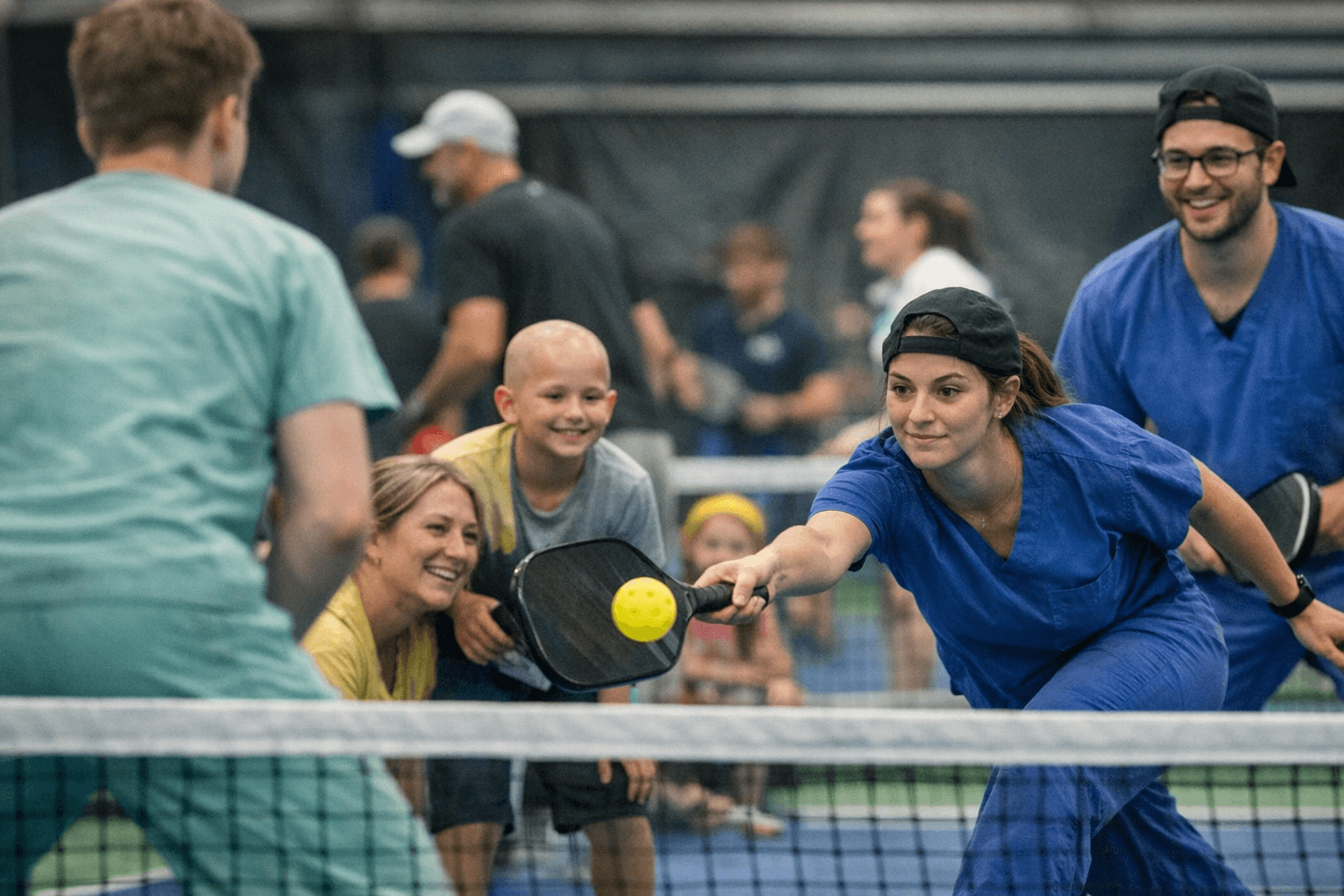
Pickleball has always been unusually good at pulling people together. Lately, though, campus clubs and community organizers have figured out how to point that gravitational pull somewhere meaningful. On April 19, Geisinger School of Medicine students will host the ThinkBIG Pickleball Tournament at the Birchwood Racquet Club in South Abington Township. Every dollar raised goes toward families of pediatric cancer patients in central and northeastern Pennsylvania.
ThinkBIG has been working in that region since 2014, built around a premise as simple as it is urgent: alleviate the everyday financial burden so that parents fighting for their child's life can focus on treatment and healing, not on whether the rent gets paid. A medical school organizing a pickleball fundraiser to support that mission is exactly the kind of cross-sector partnership that makes these events matter beyond the scoreboard.
The tournament runs intermediate and advanced brackets in men's, women's, and mixed doubles. Doubles divisions are capped at 10 teams; mixed doubles at 20. Entry is $70 per team for a first event and drops to $40 for a second. Registration opens at 12:30 p.m. with play starting at 1 p.m. The registration deadline is April 12. To sign up, call 570-586-4030.
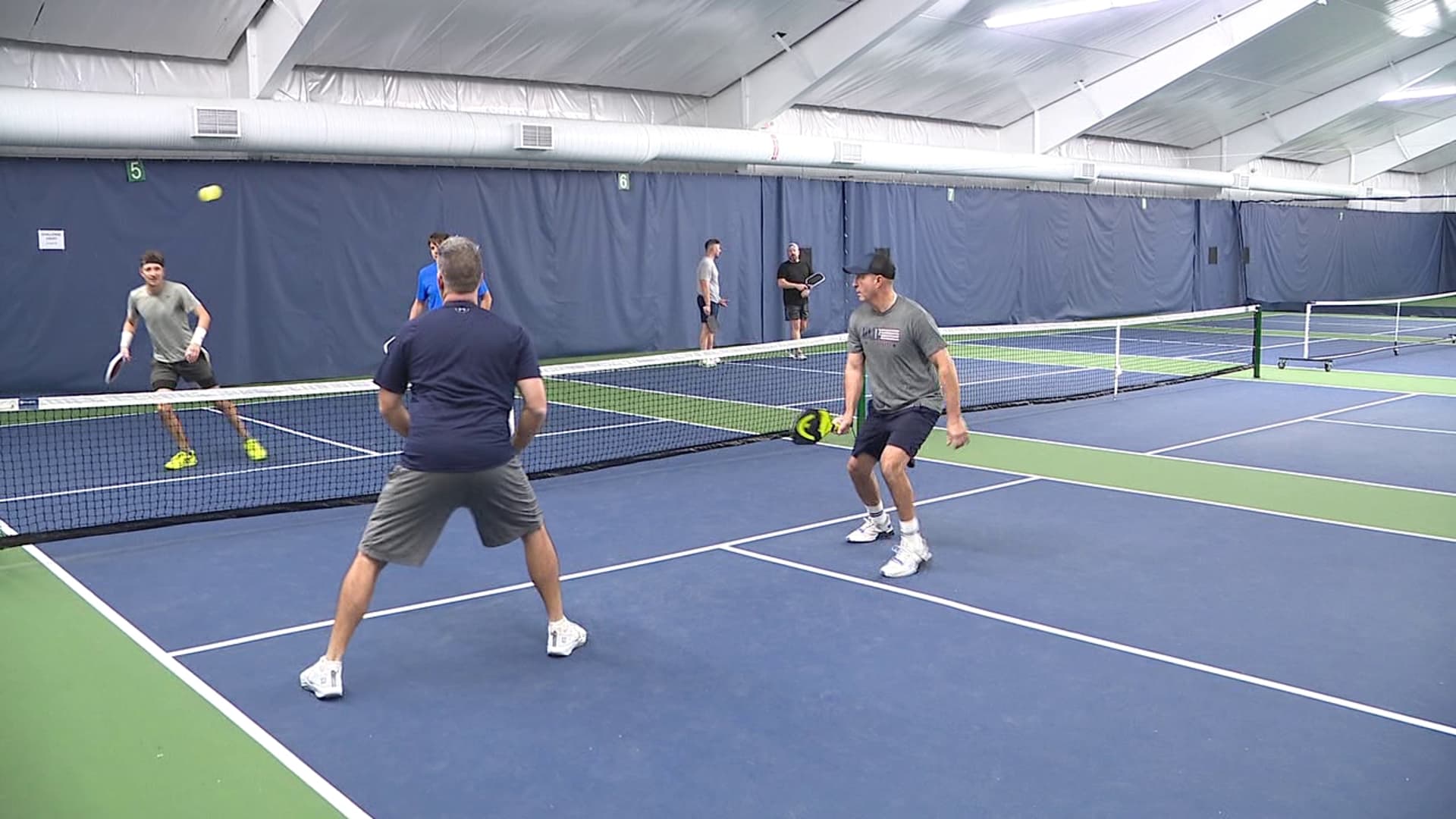
Birchwood Racquet Club operates eight indoor Nova hard pickleball courts, which gives the tournament real infrastructure rather than a pop-up setup on converted tennis courts. Bracket play across six divisions needs consistent surface and spacing, and Birchwood has both.
For anyone who has never entered a tournament before, the intermediate doubles bracket is a reasonable on-ramp. You show up with a partner at or near 3.5, pay your $70, and you are competing. The doubles format distributes pressure across two players instead of spotlighting one. Spectators are welcome too, and their presence matters: charity events live on the energy a crowd generates, not just the team entry fees.
Sidebar: How to host your own charity pickleball tournament in 30 days
The ThinkBIG model is genuinely replicable. Here is the compressed version for any club or campus organization thinking about running one.
Start by locking in your cause and your venue simultaneously, not sequentially. Organizations like ThinkBIG already have donor infrastructure, tax status, and an audience; your job is to produce the event. For the venue, a dedicated indoor pickleball facility handles bracket flow far better than a recreation center with temporary net posts. Eight courts, as Birchwood offers, lets you run multiple divisions without bottlenecks.
File for local permits early. If your municipality requires event permits for gatherings with paid entry, the approval timeline can stretch ten days or longer. Contact your city or township clerk directly, since requirements vary. If proceeds pass through a nonprofit's 501(c)(3), confirm that the organization covers event fundraising under their existing status.
For division structure, intermediate and advanced brackets in men's, women's, and mixed doubles gives you six events. That fills a solid afternoon without running into evening. Cap each doubles division at 10 teams and mixed at 20; it keeps pools competitive and your bracket software from becoming a problem.
Recruit sponsors from three categories that already understand the pickleball audience: equipment brands, sports medicine or physical therapy clinics, and local restaurants willing to cater or donate prizes. Offer courtside banner placement and co-promotion in your event communications. These sponsors can also help cover facility costs, which protects more of the entry-fee revenue for the cause.
Price the first event at $70 per team and a second at $40. That structure, which mirrors the ThinkBIG model, rewards multi-event registration and brings in more per-player revenue than a flat fee would.
Promote through your club's email list, regional pickleball networks, and the beneficiary organization's own channels. Hospital staff networks and medical school listservs are an underused pipeline for these events. Open registration 30 minutes before first ball, and keep your bracket assignments posted visibly.
A $70 entry fee can feel steep until you reframe it: it is a donation that also gets you a competitive afternoon of pickleball. That is the pitch, and it works.
Know something we missed? Have a correction or additional information?
Submit a Tip