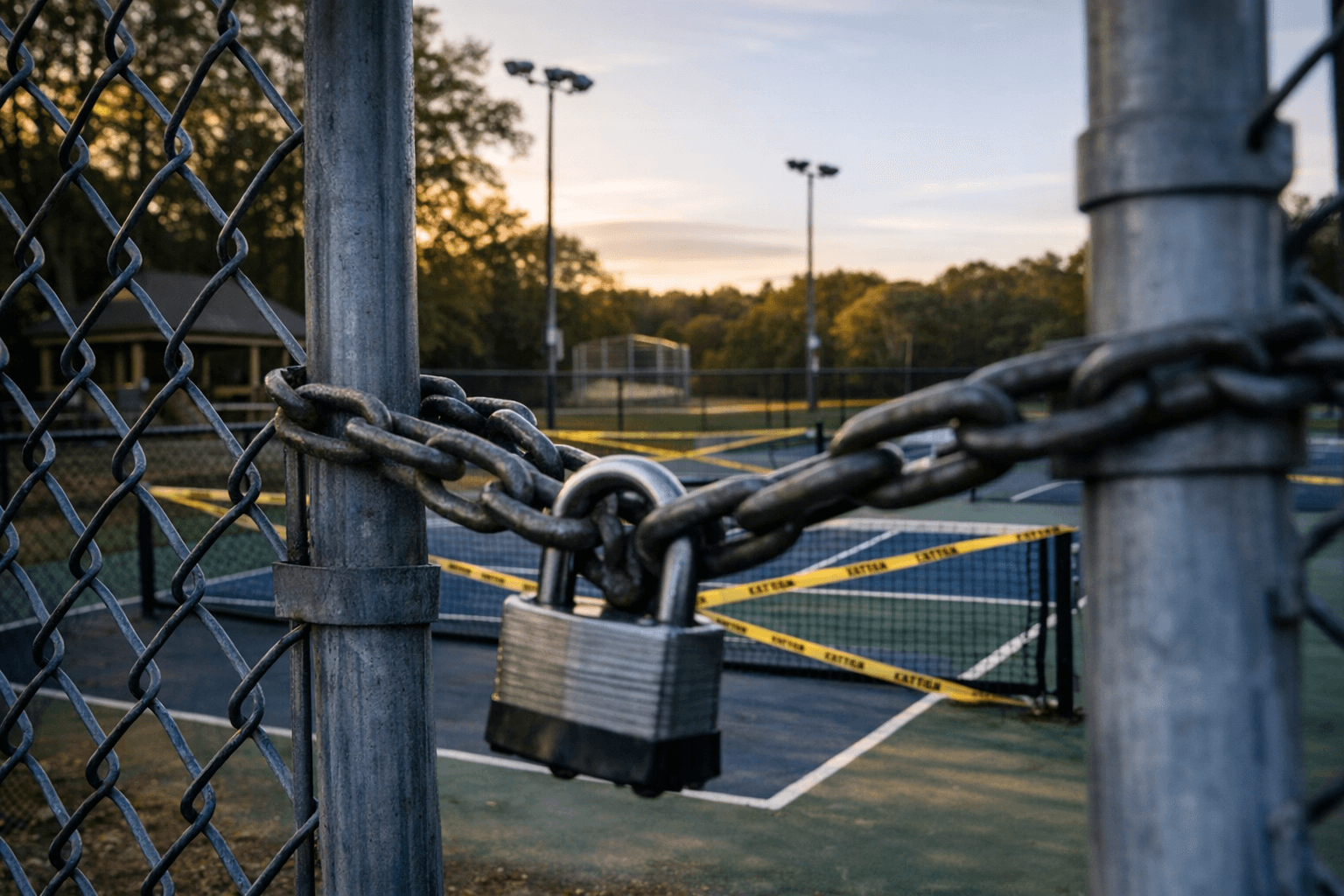
Hermosa Beach Forced to Restart Pickleball Fee Process After Legal Complaints
Two residents' Brown Act complaints put Hermosa Beach's $25 pickleball membership and $15/hour court fees in procedural limbo, forcing a full restart.
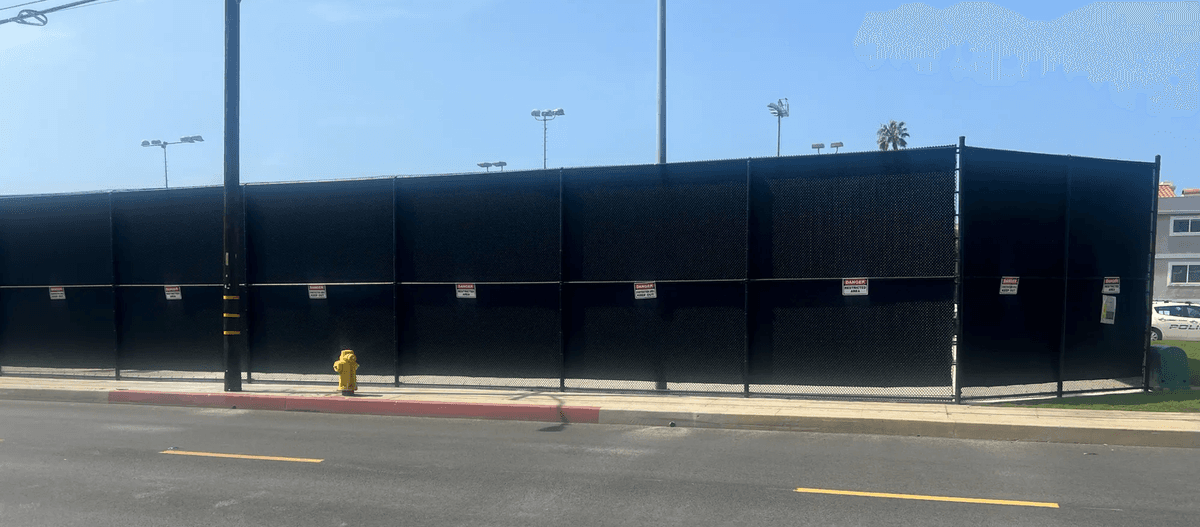
A pair of legal complaints has unraveled what Hermosa Beach thought was a done deal on pickleball fees, sending city staff back to square one and leaving players uncertain about what they'll pay to get on the courts.
At a March city council meeting, members directed staff to set annual pickleball memberships at $25 and court reservations at $15 per hour. The problem: those specific dollar figures never appeared on an agenda item dedicated to fee schedule changes, meaning the public had no formal notice that fee rates were actually being decided that night.
Residents Anna Garcia and John Bauer filed timely cure-and-correct demands under California's Brown Act, the state open-meetings law, asserting the public was denied adequate opportunity to participate in a consequential policy decision. The filings triggered a legal clock that city staff could not ignore.
On April 10, staff brought the matter back to council with a pointed recommendation: rescind any interpretation that the March action constituted final approval of those fee rates, treat it instead as direction to staff, and re-agendize the item with full public notice. Staff's position was that completing this corrective step should cure the potential Brown Act violation before it ripens into litigation.

The episode turns on a procedural gap that may look minor on paper but carries real weight in California municipal law. A council can discuss and provide direction on fee structures, but formal adoption requires a properly noticed agenda item that signals to the public, in advance, that a binding vote is coming. Garcia and Bauer's complaints argued that threshold was not met in March.
For pickleball players who use Hermosa Beach's municipal courts, the immediate consequence is uncertainty: the $25 membership and $15 hourly reservation rates are not yet legally in force, and the timeline for a properly noticed vote remains open. The broader implication extends well beyond Hermosa. As cities across California and the country scramble to manage surging court demand through reservation systems and cost-recovery fees, the procedural steps required to make those changes stick are not optional. Getting the noticing wrong, even with good intentions, resets the clock entirely.
Know something we missed? Have a correction or additional information?
Submit a Tip