HOAs Turn to Quiet Hours, Acoustic Fencing to Tackle Pickleball Noise
Martinez voted unanimously to close eight pickleball courts after just one year open. A new HOA advisory warns that inadequate governance is why noise complaints keep ending in lawsuits.
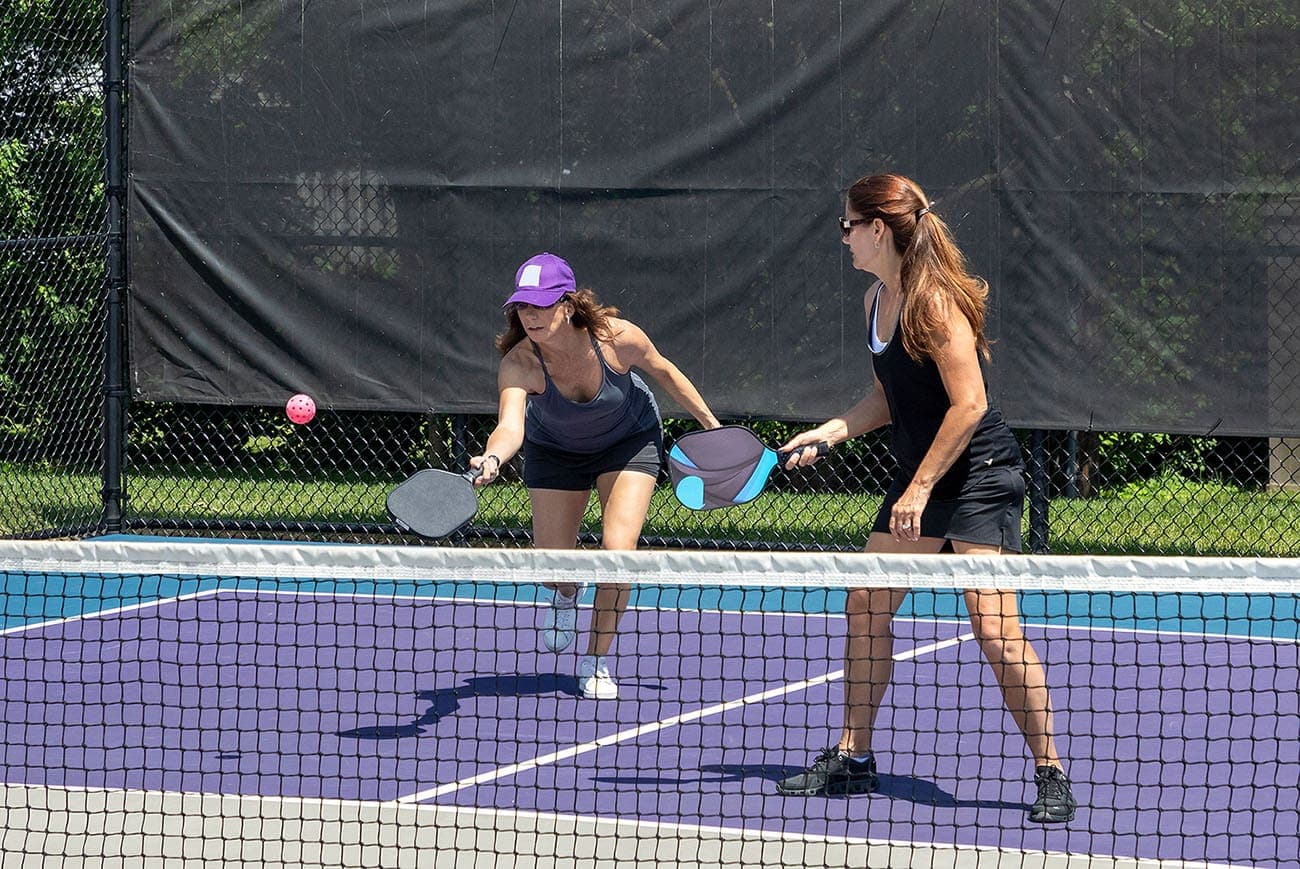
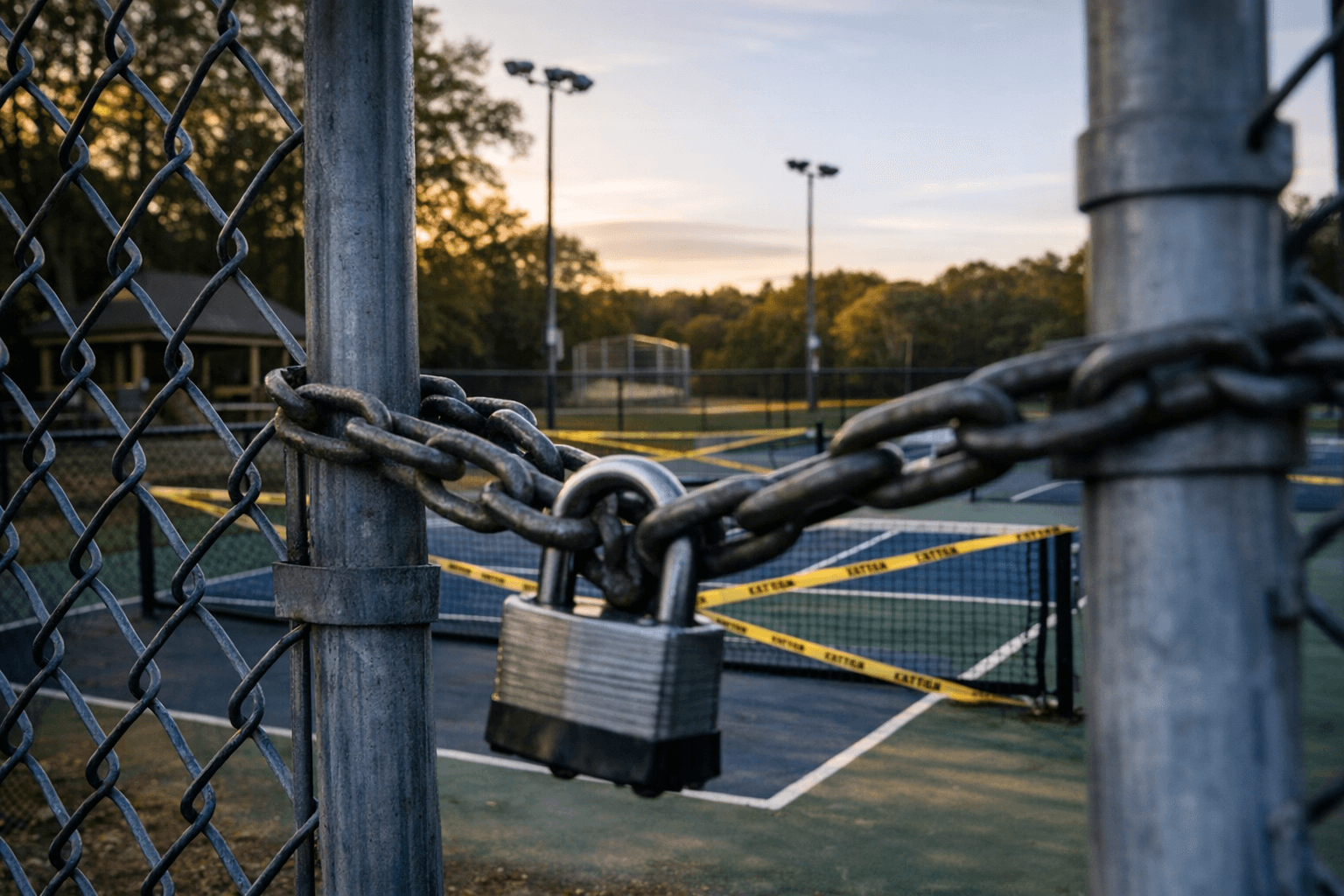
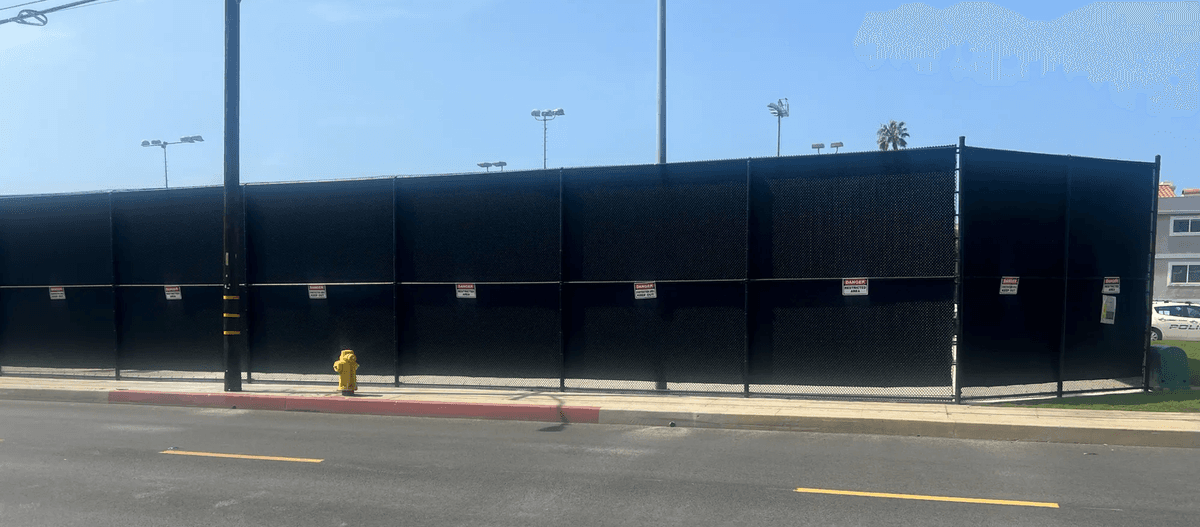
Eight pickleball courts at Hidden Valley Sports Courts in Martinez, California opened on February 28, 2025, converted from former tennis courts using federal COVID-era relief funding. On March 18, 2026, the city council voted unanimously to close them permanently, effective immediately. The city had tried restricting hours and days of play the previous September; a survey of residents within 500 feet found more than 40 percent of respondents said pickleball activity there had negatively affected them. An acoustical engineer concluded no feasible noise mitigation remained. The courts lasted thirteen months.
That sequence is precisely what the Baldwin Group's new advisory set out to short-circuit. The risk management firm published a detailed guidance document on April 7 titled "Managing pickleball noise complaints: How associations are responding," synthesizing the governance patterns and mitigation strategies that condominium associations and HOAs nationwide have adopted as courts have proliferated and complaints have risen alongside them.
The practical toolkit Baldwin documents includes defined hours of play, formal court reservation protocols with enforcement mechanisms to control overcrowding, acoustic fencing, and buffer landscaping. The advisory also flags a quieter-equipment angle: paddle and ball policies that steer players toward lower-decibel gear. The Boca Raton experience shows why enforcement matters as much as the policy itself. A homeowners' lawsuit filed there in early 2026 noted that while the HOA required players to check out quieter paddles at the gatehouse and had ended Sunday play, most players retrieved the paddles and never used them, reaching instead for the noisier standard equipment stacked against a fence.
In Apollo Beach, ten homeowners filed suit against the Andalucia Master Association in August 2025 after the HOA converted clay tennis courts to pickleball courts without a community-wide vote. Their complaint argued that pickleball produces noise four times louder than tennis, a claim that, accurate or not, reflects the antagonism that skipped process reliably generates.
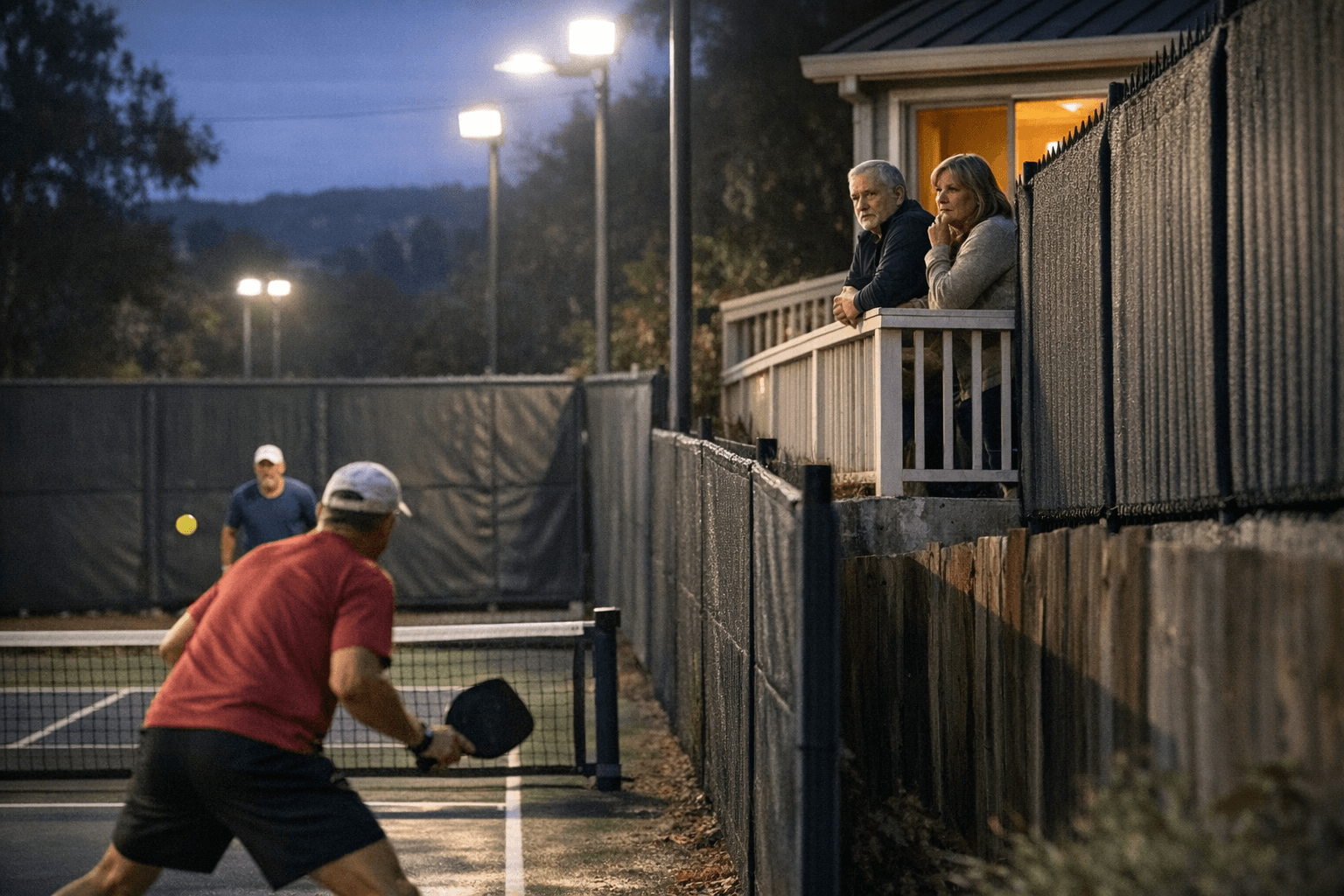
Baldwin's advisory takes that governance failure as its central theme. Boards that bypass proper member notice, convert amenities without adequate input, or fail to document decision-making expose themselves to open-meetings complaints, lawsuits, and costly reversal orders. The firm urges associations to commission professional sound studies and siting analyses before any construction begins, creating both technical rigor and a paper record of due diligence. Responses must also be calibrated to local conditions, Baldwin notes, since density, available funding, and municipal noise ordinances vary enough that no single intervention applies universally.
Courts built without that groundwork are the ones most at risk when the first formal complaint arrives. Quiet hours, acoustic fencing, a genuine member vote, a sound study commissioned before the first shovel hits the ground: the upfront cost of getting governance right is, as the Martinez council just demonstrated, considerably cheaper than the alternative.
Know something we missed? Have a correction or additional information?
Submit a Tip