Backyard chicken biosecurity helps prevent avian influenza spread
Small flocks are not too small to matter. A few daily habits, from shoe changes to feed storage and bird isolation, can cut avian-flu risk fast.
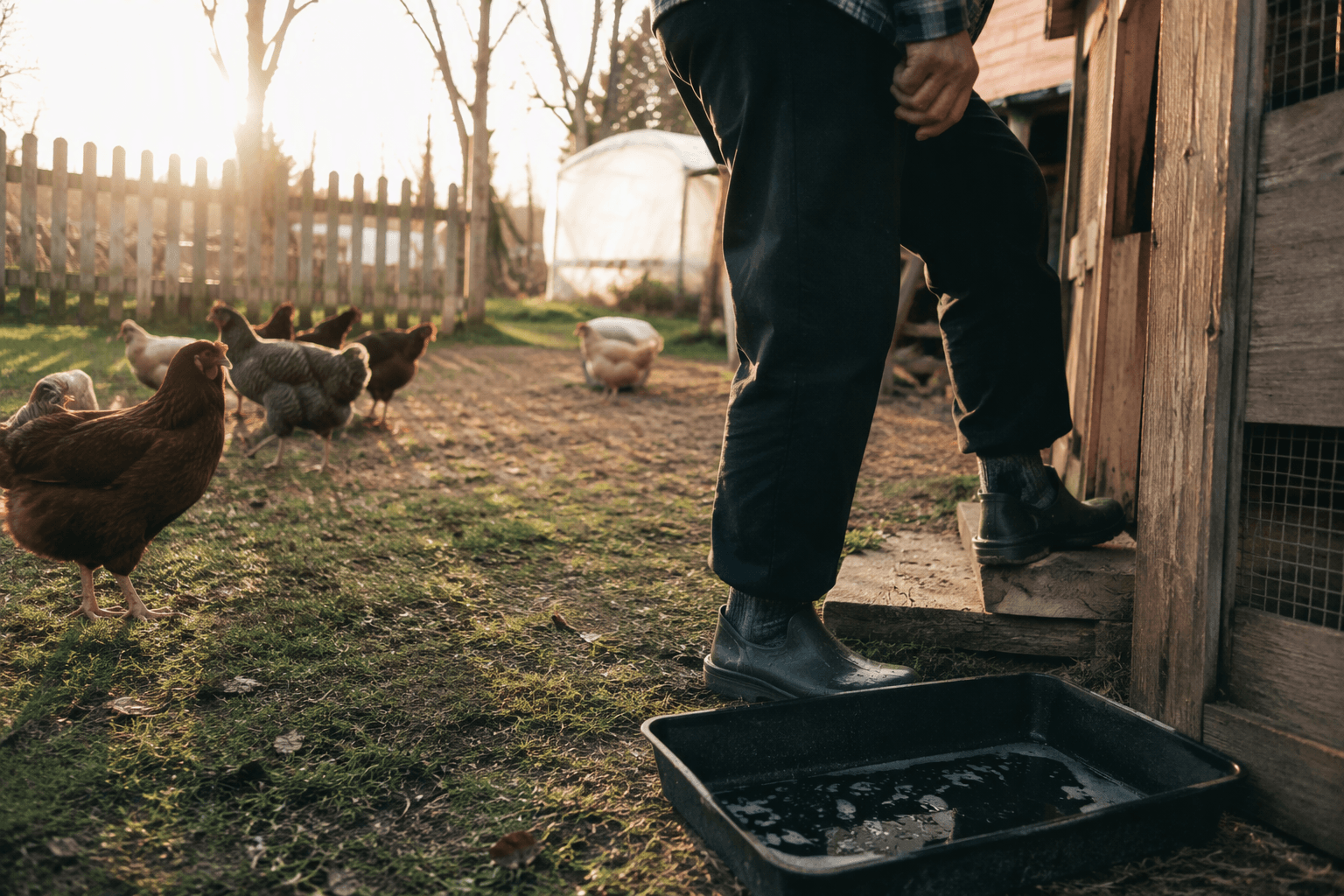
A five-hen coop can still be a doorway for avian influenza. Shoes from the garden, a visitor who was around another flock, or a feeder left where wild birds can land are enough to matter. University of Minnesota Extension treats urban, backyard, organic, and pastured birds the same way for one reason: small flocks live at the same crossroads of people, pets, feed, and wild birds as any bigger setup.
Why your backyard flock is part of the bigger avian-flu picture
The misconception that a small flock is automatically safer has not held up in the last several outbreak waves. The Minnesota Department of Health said in June 2024 that since 2022 avian influenza A(H5N1) has been associated with outbreaks in wild birds, domestic poultry, dairy cattle, and other animals such as cats. CDC’s bird-flu article on the 2022 outbreak documented highly pathogenic avian influenza A(H5N1) in birds across 39 U.S. states between February 7 and September 3, 2022, including commercial barns and backyard flocks.
Minnesota has also treated this as a real livestock-health event, not a distant headline. University of Minnesota identified avian flu as an “introduced foreign animal disease.” In that report, the outbreak was the most serious of its kind Minnesota had seen and had already hit 55 farms.
CDC keeps separate guidance for backyard flock owners, bird flu spread, prevention, and people at increased risk. People who handle infected or potentially infected birds are at higher risk for exposure, so your coop routine is not just about the birds.
Build biosecurity into everyday chores
Biosecurity works best when it feels boring. Biosecurity practices reduce disease spread from bird-to-bird contact and from people, vehicles, and equipment. USDA Animal and Plant Health Inspection Service includes backyard bird owners and hobbyists in its Defend the Flock materials.
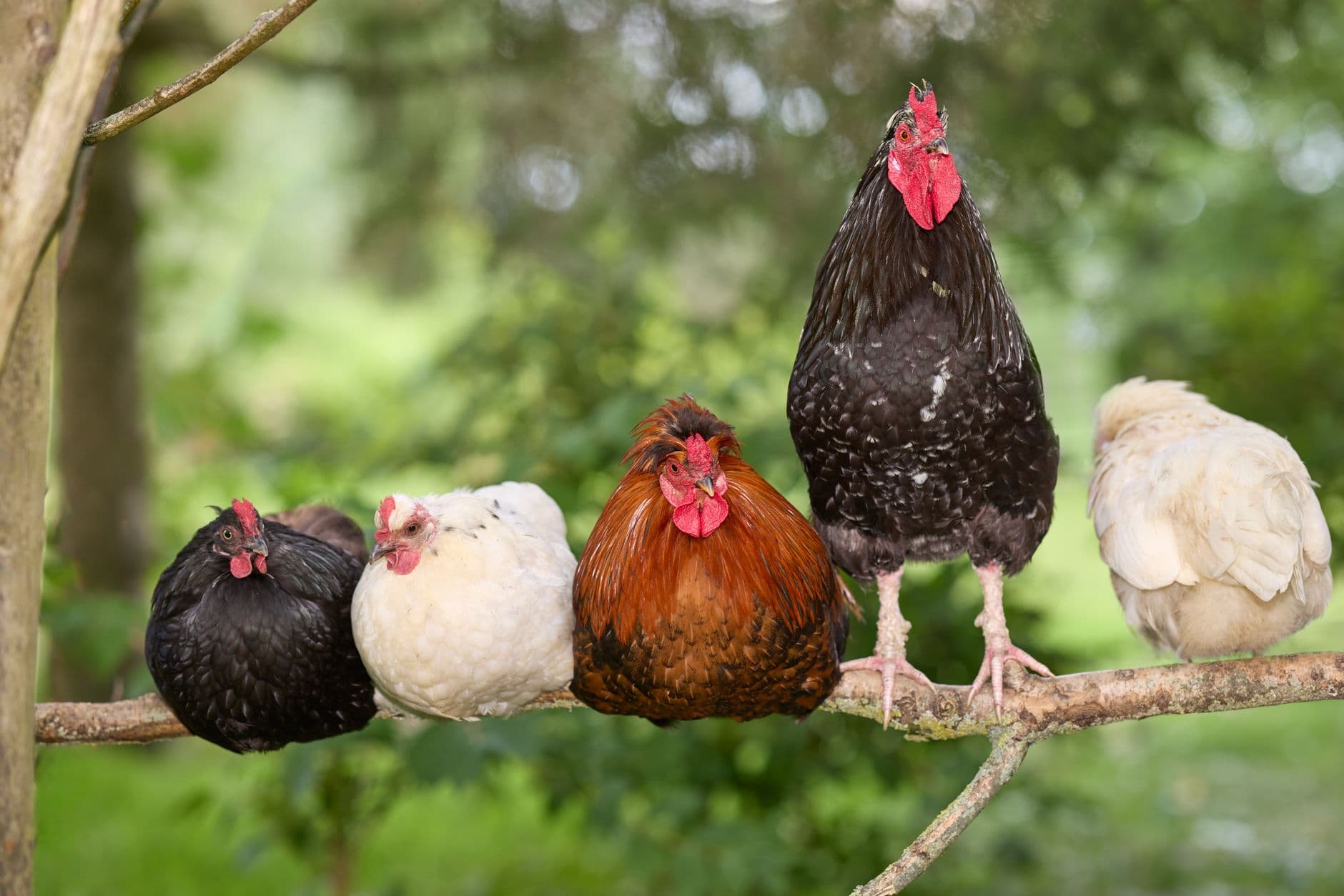
Start with access. Keep visitors to a minimum, and do not let anyone wander through the run after they have been around other birds. Visitors should wear protective outer garments or disposable coveralls, boots, and headgear when handling birds, and shower and or change clothes afterward.
Then separate poultry gear from household life. Shoes, tools, feed containers, waterers, and carriers are all contact points that can move germs into the coop. Many keepers make a simple rule work better than a complicated one: one pair of shoes for the coop, one set of tools for the birds, and no shared use of buckets or crates that have been anywhere near other poultry.
Wild birds deserve their own barrier. Avoid contact and shared spaces between your poultry and wild birds or waterfowl, cover and enclose outdoor feeding areas, keep feed contained, clean up spills, reduce puddles and standing water, and avoid visiting ponds and streams, especially with pets. A feed bucket left open on a patio or spilled grain under a coop gives wild birds a reason to visit, and every visit is another chance for contamination.
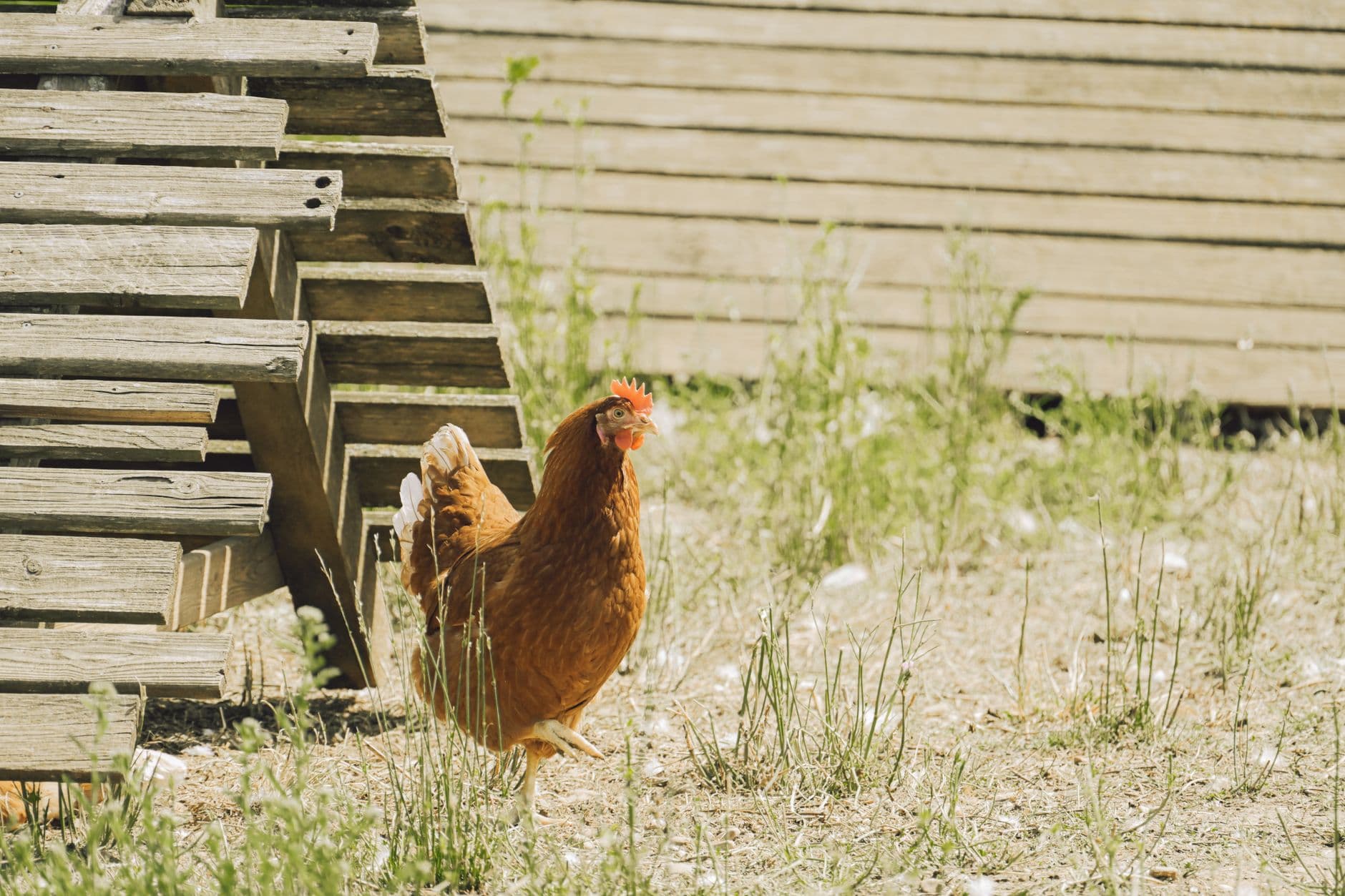
Feed and water storage matter more than many first-time flock owners expect. Keep feed in lidded containers, keep waterers inside the protected area when possible, and do not leave bags where rodents, rain, or wild birds can reach them. The cleaner the storage area, the fewer reasons you have to drag outside contamination back to the birds.
Know the signs that mean isolate now
If one bird looks off, move fast. Minnesota’s backyard notice on highly pathogenic avian influenza lists extreme depression, being very quiet, difficulty breathing, and a decrease in feed or water intake among the warning signs. It also flags swelling or purple discoloration of the head, eyelids, comb, and wattle. A bird showing those signs should be separated from the rest of the flock immediately, with its water, feed, and handling kept apart.
Separate the bird while you decide whether it needs veterinary help and whether your state animal-health office needs a report. Anyone suspicious of a reportable animal disease is required to report it to a federal or state animal-health official under Iowa’s biosecurity guidance. If a bird dies suddenly or several birds sicken at once, the safest move is to treat it as a reportable problem until you are told otherwise.
Limit or halt travel with birds to sales, shows, and swaps, and make sure your hands, clothes, and footwear are clean before handling birds if you have been around other poultry.
Make the routine protect the eggs too
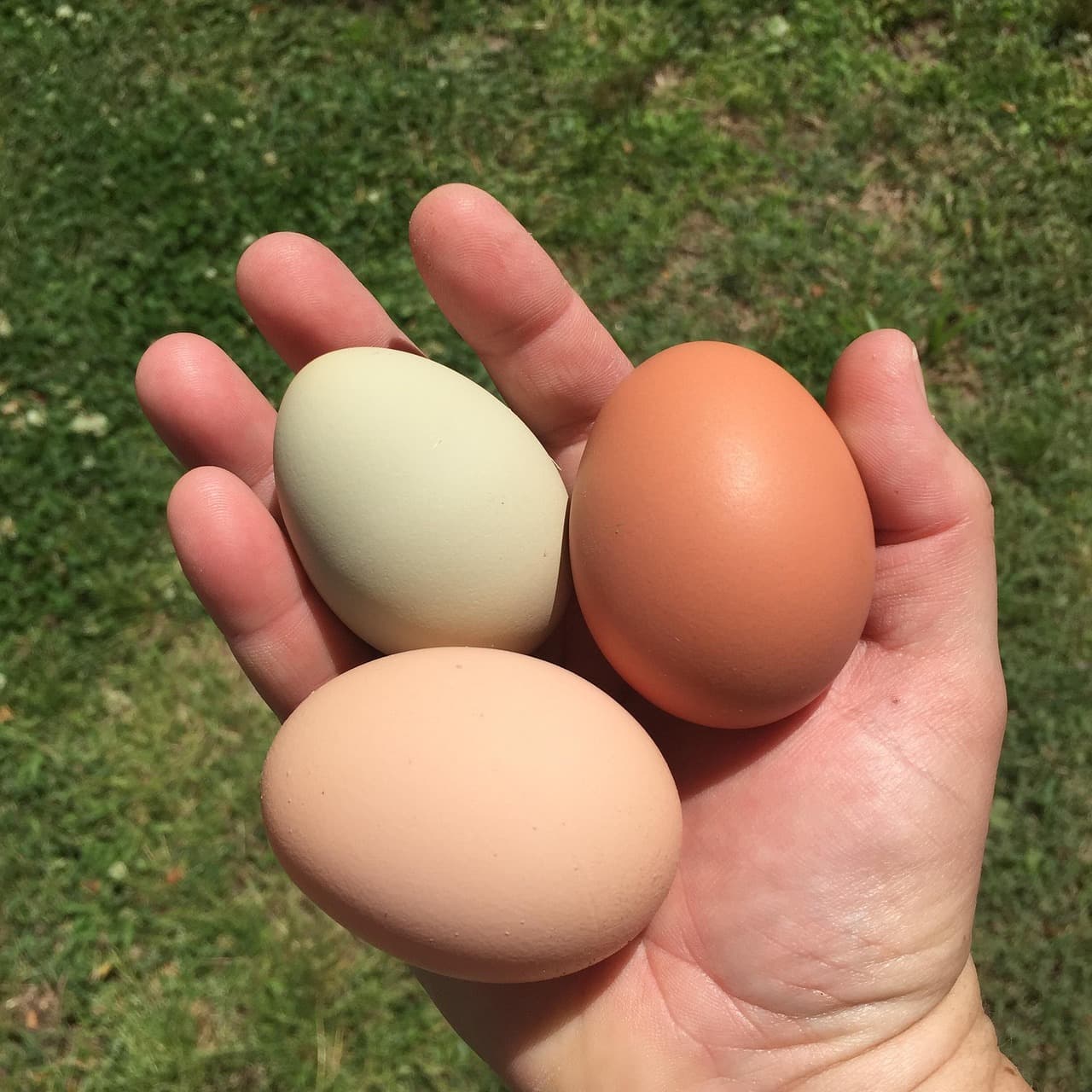
Healthy birds lay better, and a clean routine supports egg safety by keeping the flock from becoming a source of contamination in the first place. Keeping poultry care separate from the rest of the household traffic pattern lowers the chance you bring trouble into the coop or carry it back out again.
Put on the coop shoes, keep visitors out unless they really need to enter, close off wild-bird access to feed and water, and isolate any bird that starts breathing hard, sulking, or going off feed.
This article was produced by Prism’s automated news system from verified source data, official records, and press releases, then run through automated quality and moderation checks before publishing. The system is built and supervised by the people who set the standards it runs under. Read our full AI policy.
Did this article answer your question?