Backyard chickens cost more than store eggs, but boost gardens
Year-one backyard eggs can cost $3 to $5 apiece, but chickens can still pay off in gardens through pest control, manure, and daily use.

Greg Alder’s breakdown of backyard chicken economics puts the first-year cost at about $3 to $5 per egg once startup and feed are factored in, which is well above store prices.
The real payoff is usually in the garden, the compost pile, and the satisfaction of raising a small flock that fits your property, your local rules, and your routine.
Why the egg-savings pitch breaks down
The first year is the expensive one because you are buying more than eggs. Coop materials, fencing, feeders, waterers, chicks or pullets, and ongoing feed all land before the flock starts paying you back in any meaningful way. Alder’s calculation is a useful reality check because it puts the cost in per-egg terms instead of letting setup spending hide in the background.
That is why the usual “chickens are cheaper than store eggs” claim falls apart so quickly. Egg prices can spike, and that has pushed more people to think about backyard hens, but the cost of keeping a healthy flock does not disappear when grocery prices change.
What still makes chickens worth it
The strongest case for backyard chickens is not the egg carton. It is the set of garden jobs they can do along the way. Chickens can help with pest control, manure production, and fertilizer value, and those benefits matter most if you already keep beds, compost, or fruit trees.
Kevin Espiritu includes manure, deep litter composting, pest control, and a daily reason to go outside and check the garden among the benefits of keeping chickens.
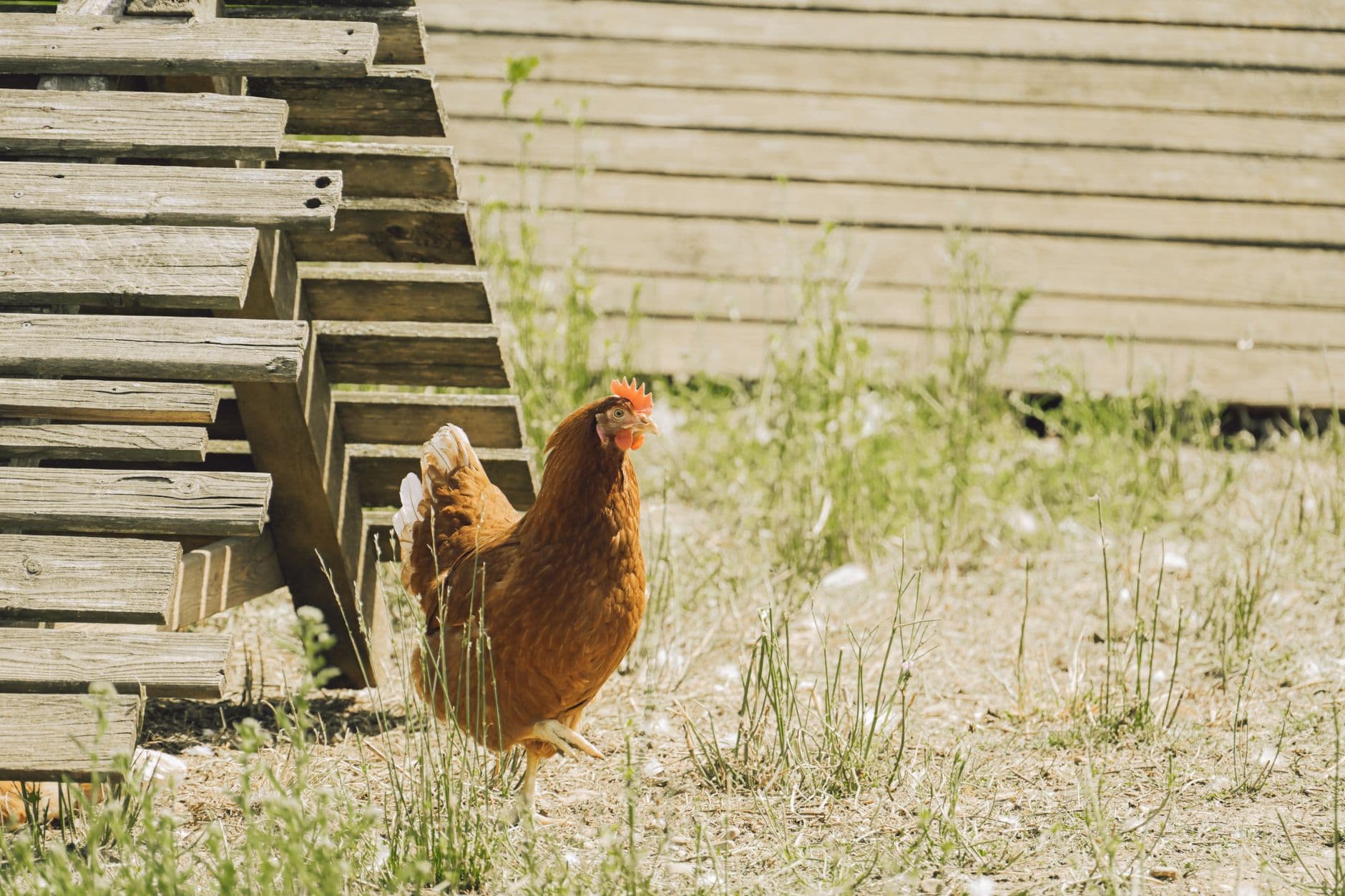
The University of Florida Extension lists self-sufficiency, connection to food production, and enjoyment for both youth and adults among the reasons backyard chickens have become increasingly popular.
Why egg prices keep driving interest
Oregon State University Extension Service ties some of the current interest to record-breaking egg prices, while a 2025 Congressional Research Service report, Egg Production and Prices, ties egg market pressure to the highly pathogenic avian influenza outbreak in poultry that began in 2022 and continued through the report’s timeframe.
The local rulebook matters before you buy chicks
Chickens are not just a purchase, they are a land-use decision. Permitting and regulating backyard chickens is a common local-government issue, and UConn Extension’s guidance covers rules on hens, setbacks, coop placement, flock size, and roosters.
Before you bring home chicks, check whether hens are allowed where you live, how many you can keep, and whether there are limits on noise, shelter, odor, or property lines.
Health and biosecurity are part of the cost too
Backyard poultry can be rewarding, but they also carry health risks that belong in the budget and the routine. The Centers for Disease Control and Prevention warns that backyard poultry can carry Salmonella and Campylobacter, and the Iowa Department of Health and Human Services includes avian influenza among the concerns.
That means basic biosecurity is not optional. Wash your hands after handling birds, eggs, bedding, or coop gear. Keep chickens out of kitchens and food-prep areas, and make sure children understand that cuddling a chick and then touching their face is not harmless. If the birds look sick or die unexpectedly, the flock needs attention fast rather than casual cleanup.
How to judge whether a flock makes sense
The cleanest way to decide is to compare three buckets at once: egg cost, startup spending, and non-egg benefits. If you only want the cheapest eggs, the first-year math is usually a loss. If you want a garden helper that turns scraps and bedding into manure, supports composting, and cuts down on some pests, the equation looks different.
A simple decision check can keep you honest:
- Estimate your first-year setup costs, including coop, fencing, feeders, waterers, chicks or pullets, and feed.
- Compare that total against what eggs would cost at the store over the same period.
- Add the value of garden benefits, especially pest control, manure, and compost inputs.
- Factor in your local rules, time for daily care, and the health precautions that come with any flock.
This article was produced by Prism’s automated news system from verified source data, official records, and press releases, then run through automated quality and moderation checks before publishing. The system is built and supervised by the people who set the standards it runs under. Read our full AI policy.
Did this article answer your question?