Sacramento County updates rooster rules for clearer backyard flock standards
Sacramento County’s rooster rewrite ties flock limits and care standards to nuisance control, with Animal Care Services getting new enforcement tools.
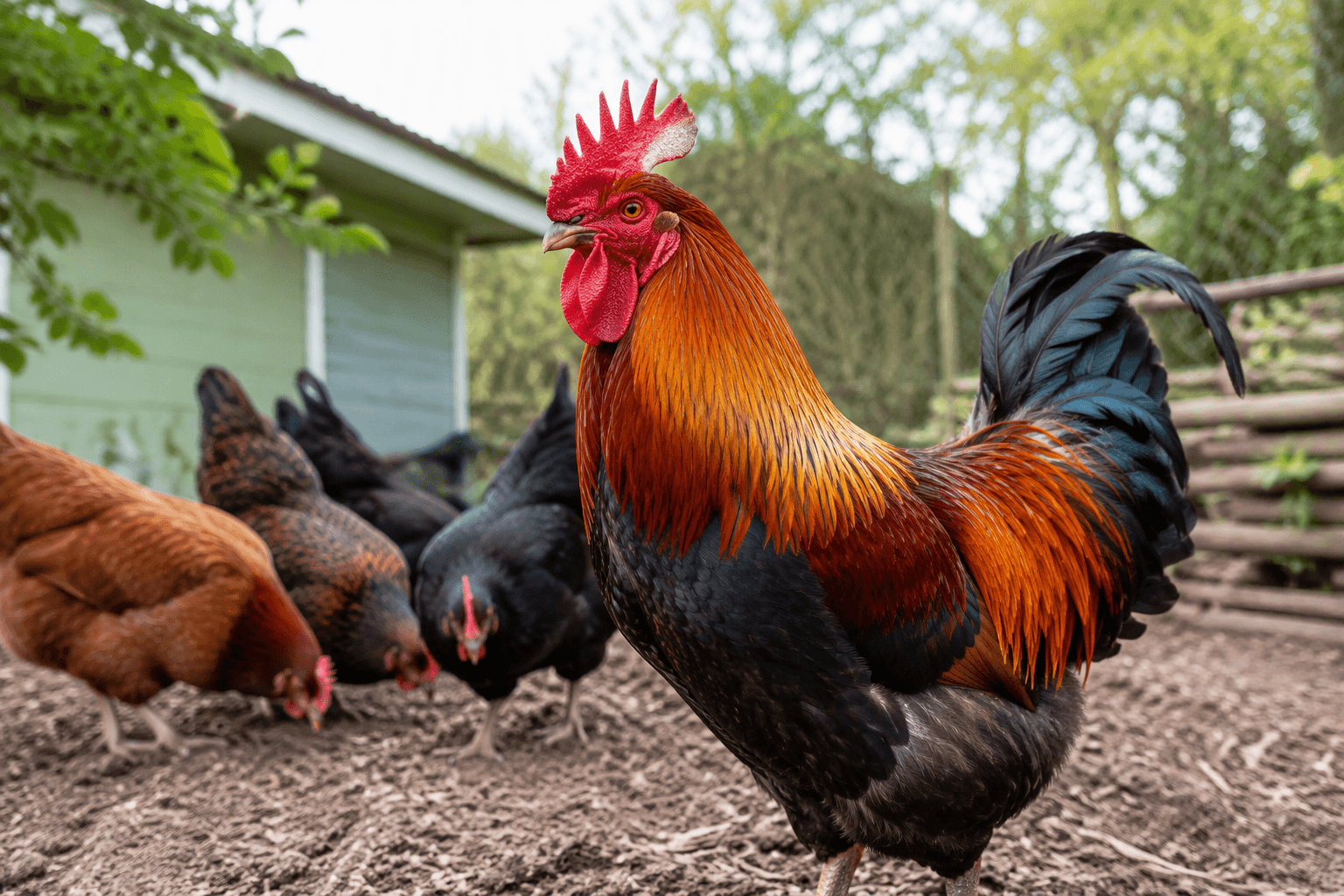
Sacramento County updated its Crowing Fowl Ordinance to give unincorporated-area residents clearer standards for keeping roosters, while putting animal welfare and neighborhood peace on the same footing. The county said the change is meant to support responsible rooster ownership, reduce nuisance conditions and help deter illegal cockfighting.
County materials say the revised rules also give Sacramento County Animal Care Services new enforcement tools. That matters because rooster complaints have long sat at the center of backyard poultry disputes, where a single bird can trigger noise calls, animal-welfare concerns and questions about whether a flock is even allowed.
The county’s planning process stretched back months before the July 22 announcement. A Sacramento County Planning and Environmental Review workshop presentation from Nov. 10, 2025 said staff were responding to increasing concerns tied to public health, safety and land-use compatibility of crowing fowl. Another presentation dated Sept. 8, 2025 said Sacramento County already allowed crowing fowl on lots larger than 10,000 square feet, showing that property size has been part of the county’s rooster framework for some time.
Noise complaints helped push the issue forward. A Sacramento Bee report on June 9, 2026 said the Board of Supervisors was weighing new restrictions after receiving more than 800 complaints about noise. The Board approved the Zoning Code Amendment for Crowing Fowl at its June 16 meeting, and it took effect July 16.
Draft materials tied to the update point to a more detailed set of limits, not just a simple ban. The proposed rules would cap roosters at two in residential zones and five in rural areas, tie the number allowed to property size, and prohibit tethering. That combination suggests the county is trying to separate lawful backyard keeping from setups that create chronic noise, poor confinement or neglect.
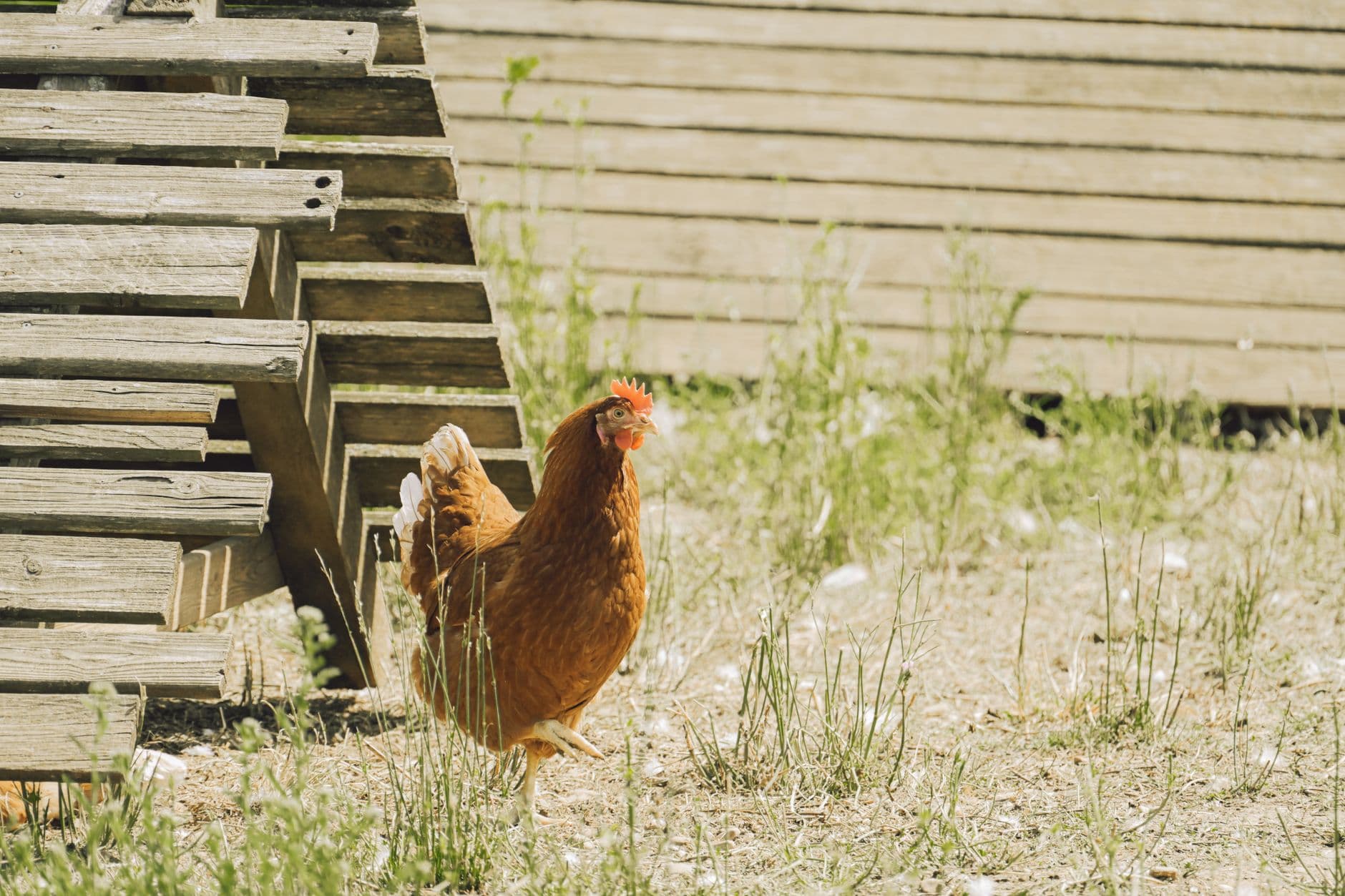
The county has been here before. In June 2015, CapRadio reported that Sacramento County dropped a plan to ban roosters and other noisy birds from residential areas after complaints from residents, underscoring how politically sensitive crowing-fowl rules have been in the county for years.
For backyard keepers, the practical takeaway is that rooster ownership in unincorporated Sacramento County now comes with more explicit care standards, clearer limits and a stronger enforcement path. The county’s Chickens and Roosters in Sacramento County guidance points residents to the rules that now define what a responsible flock can look like.
This article was produced by Prism’s automated news system from verified source data, official records, and press releases, then run through automated quality and moderation checks before publishing. The system is built and supervised by the people who set the standards it runs under. Read our full AI policy.
Did this article answer your question?