NSW confirms deadly H5N1, urges backyard hens indoors
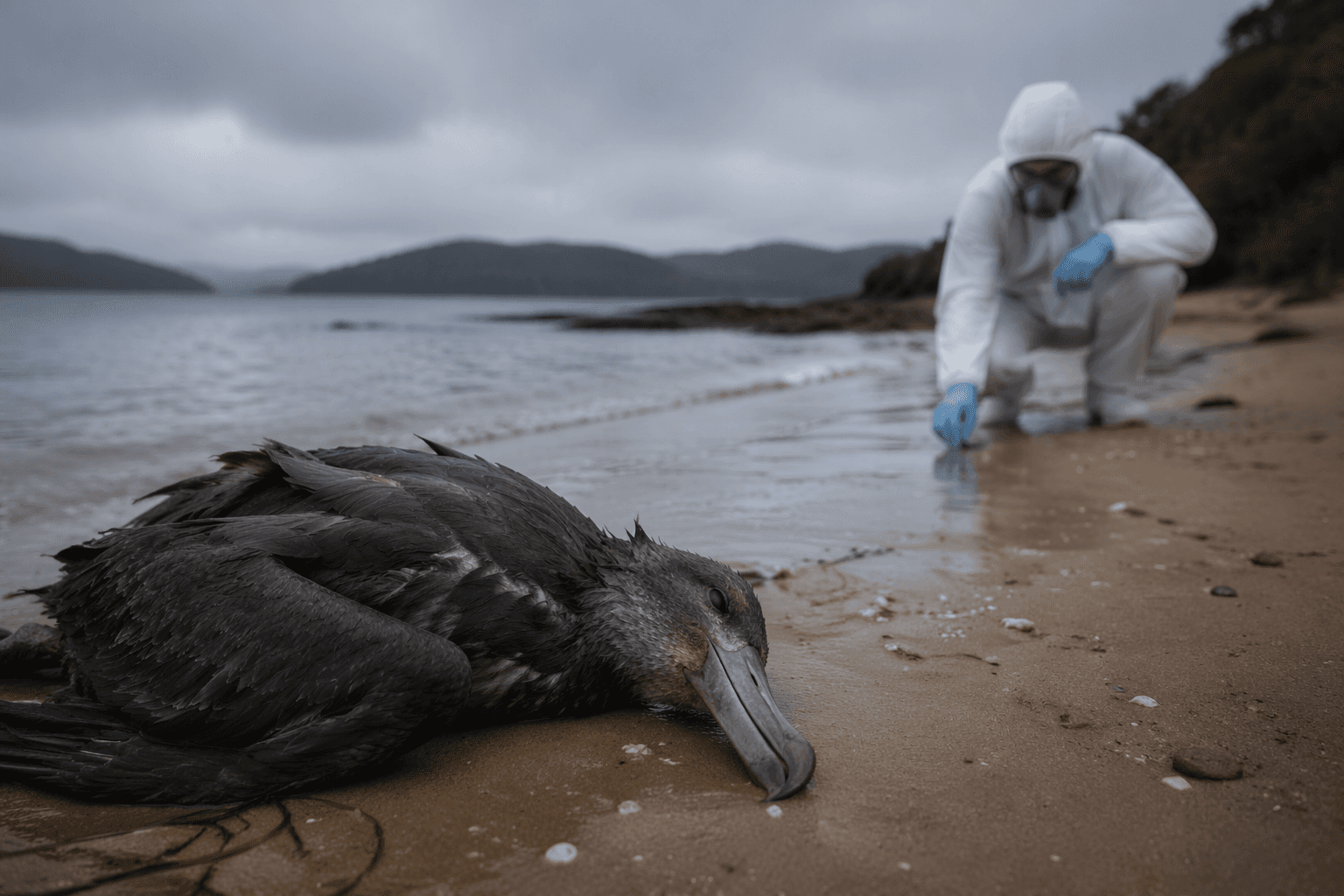
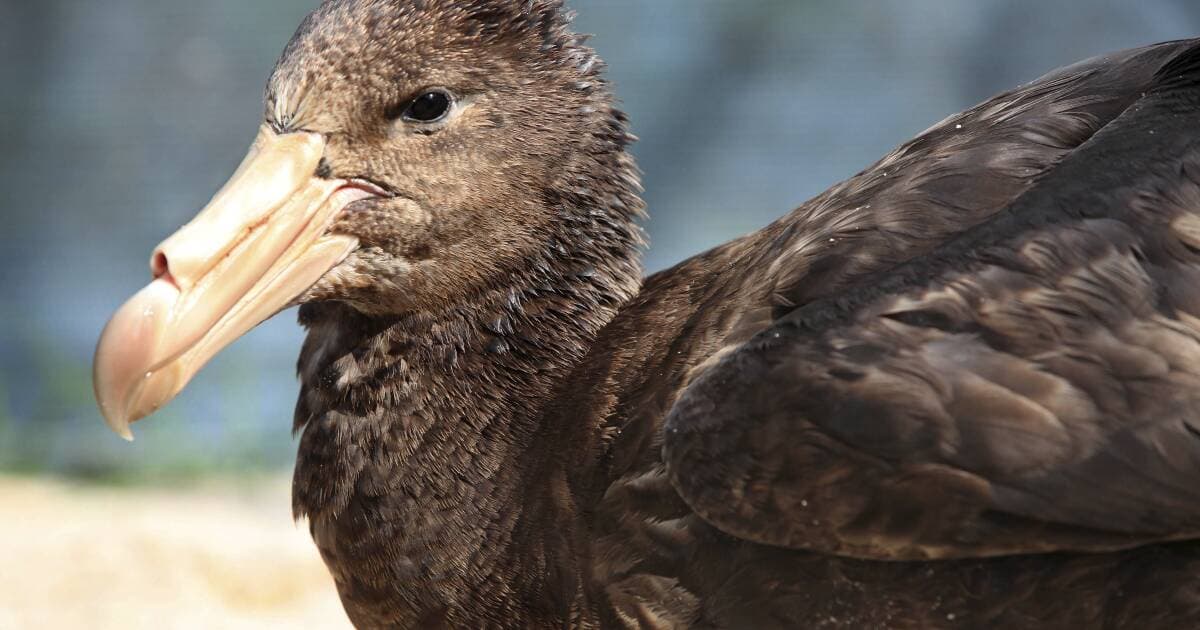
NSW's first H5 bird flu case hit a giant petrel near Hawks Nest, and free-range hens may need to be housed indoors.

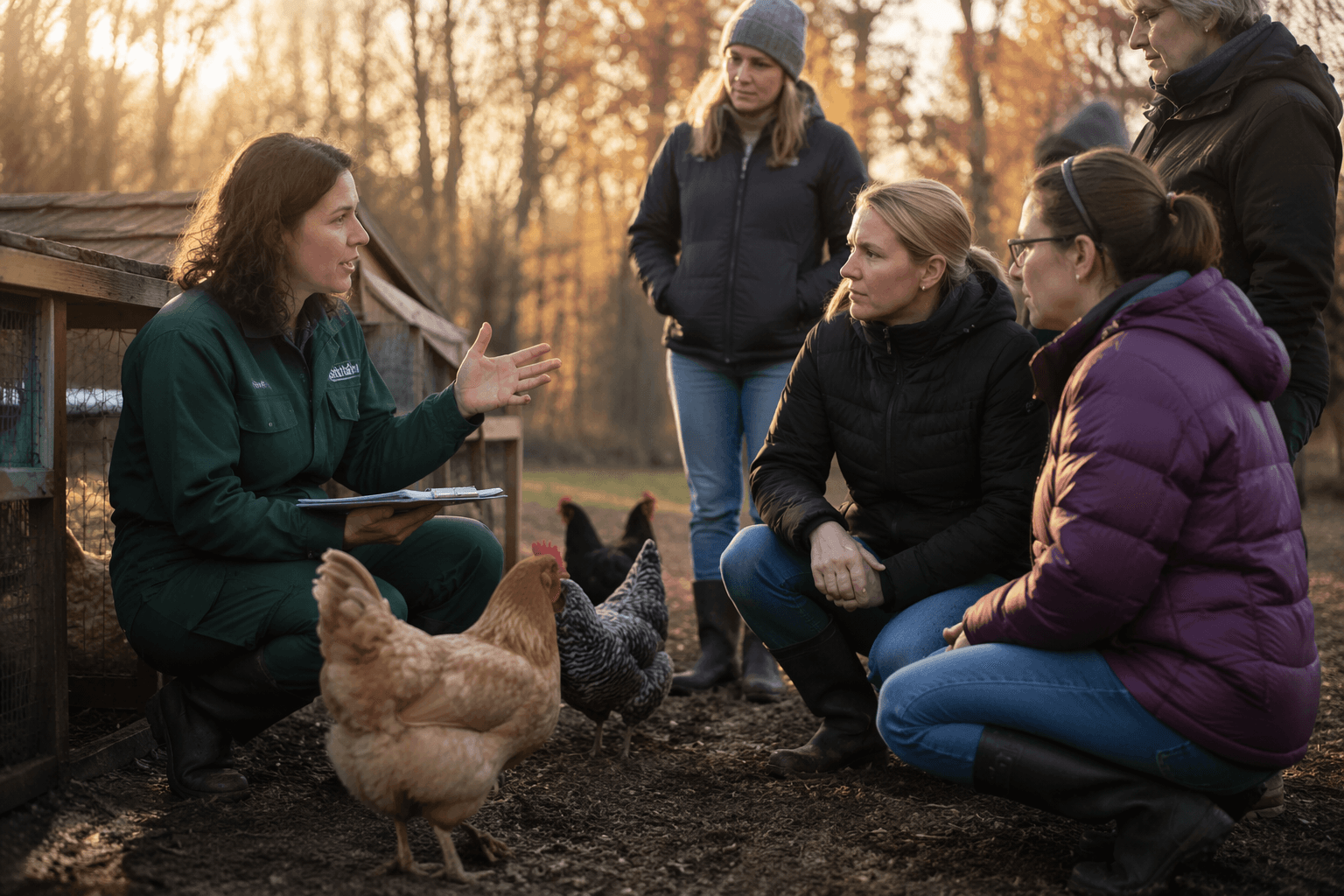
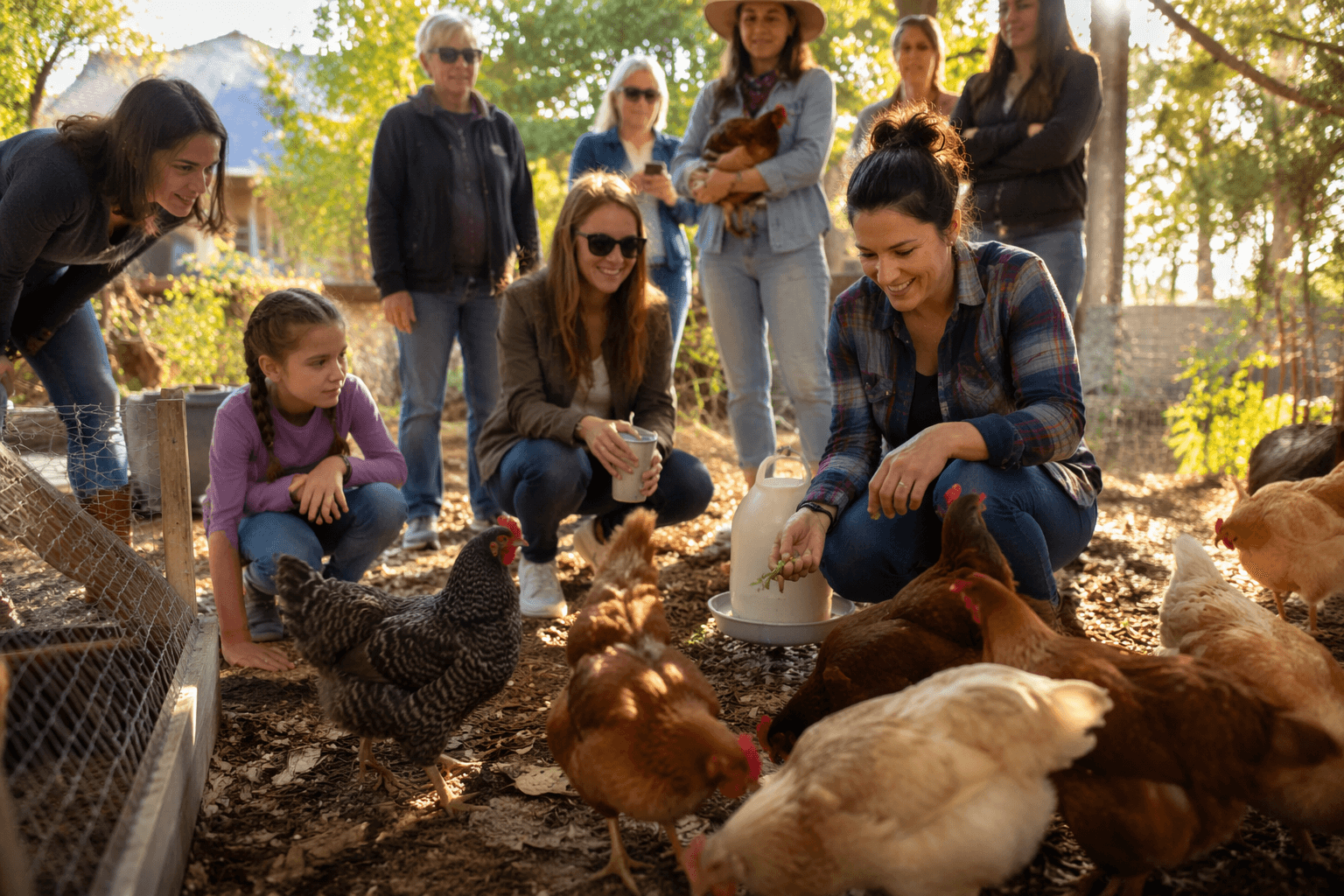
Backyard hens in New South Wales should come indoors after NSW confirmed its first H5 bird flu detection in a giant petrel near Hawks Nest on the Mid North Coast. The Consultative Committee on Emergency Animal Diseases told states and territories to encourage free-range producers to keep birds indoors where practical, a time-limited step aimed at cutting wild-bird contact and protecting poultry. The virus has not yet spread to commercial poultry flocks.
NSW had already widened surveillance before the detection. The state set up an H5 bird flu call centre, trained more than 500 additional staff, including Local Land Services and National Parks and Wildlife Service field officers, and stood up a State Coordination Centre at Orange Agricultural Institute to coordinate response operations. NSW has also been running briefings and workshops for agricultural and wildlife stakeholders while surveillance testing continues at the Elizabeth Macarthur Agricultural Institute.
For backyard keepers, the practical changes are straightforward. Feed should be stored dry and secure away from wild birds and rodents, water should be kept away from wild birds, and access by people, vehicles and other vectors should be controlled. Handwashing, site boots and clothes, and foot baths are also recommended. Use netting, clean housing and equipment regularly, separate new birds for at least 30 days, and monitor free-range birds daily. Visitors should be limited or asked to wear clean boots and clothing.
The HPAI H5N1 clade 2.3.4.4b strain was first confirmed in migratory seabirds in June 2026 after years as the last continent free of it. Human infection is rare and usually follows close contact with sick birds or contaminated environments, and chickens, ducks, geese, emus and aviary birds can all be affected. The federal government has committed more than $113 million to preparedness, and NSW has beaten avian influenza in commercial poultry three times before, in 1997, 2012 and 2013.
Keep wild birds away from feed and water, tighten hygiene around the coop, and watch for sudden death, breathing trouble, or blue or bruised combs and wattles while surveillance widens around Hawks Nest and beyond.
This article was produced by Prism’s automated news system from verified source data, official records, and press releases, then run through automated quality and moderation checks before publishing. The system is built and supervised by the people who set the standards it runs under. Read our full AI policy.
Did this article answer your question?