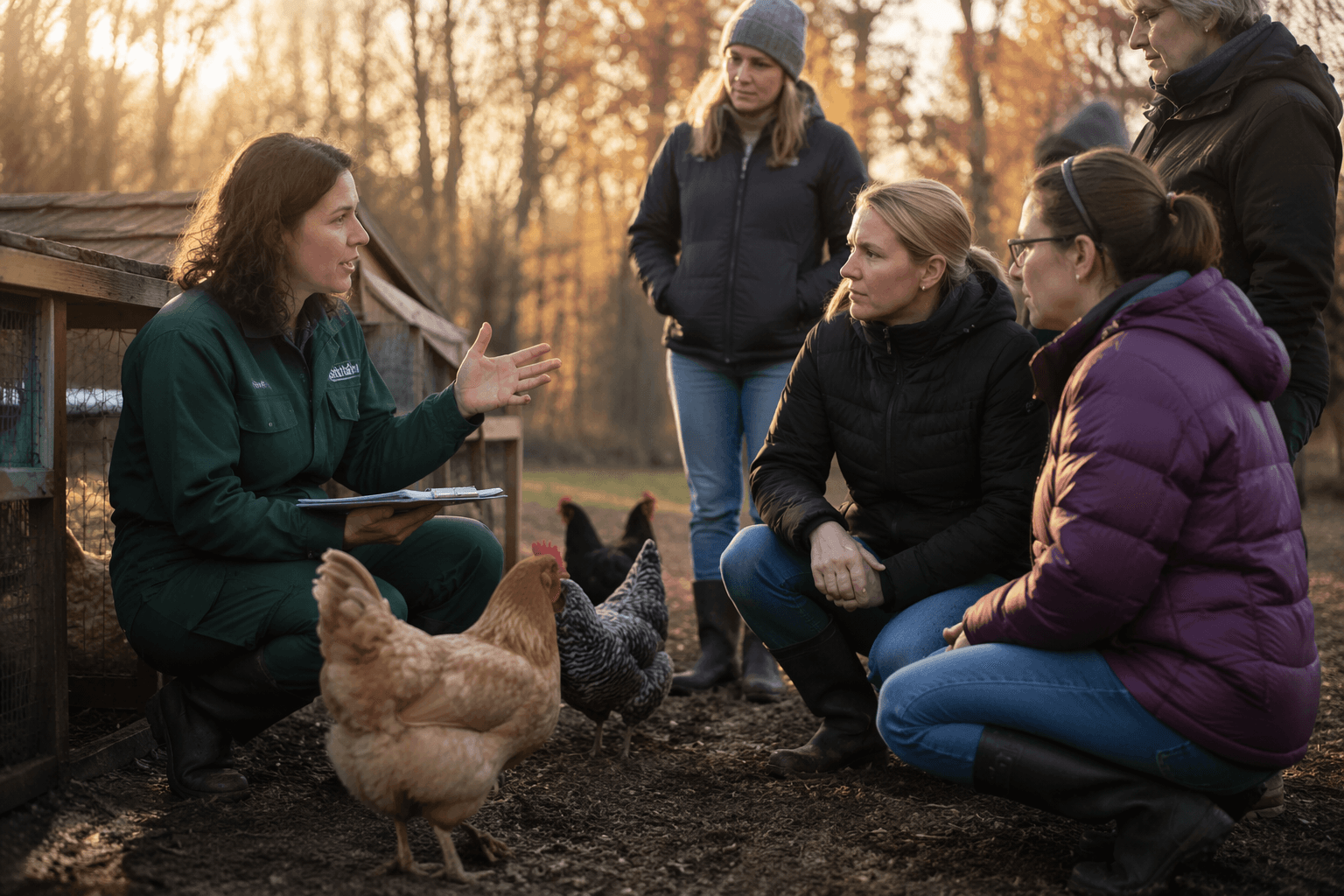
Backyard chickens go mainstream as households embrace pet flocks
Backyard chickens are mainstream now, but the real question is whether your yard, budget and local rules can handle a flock.
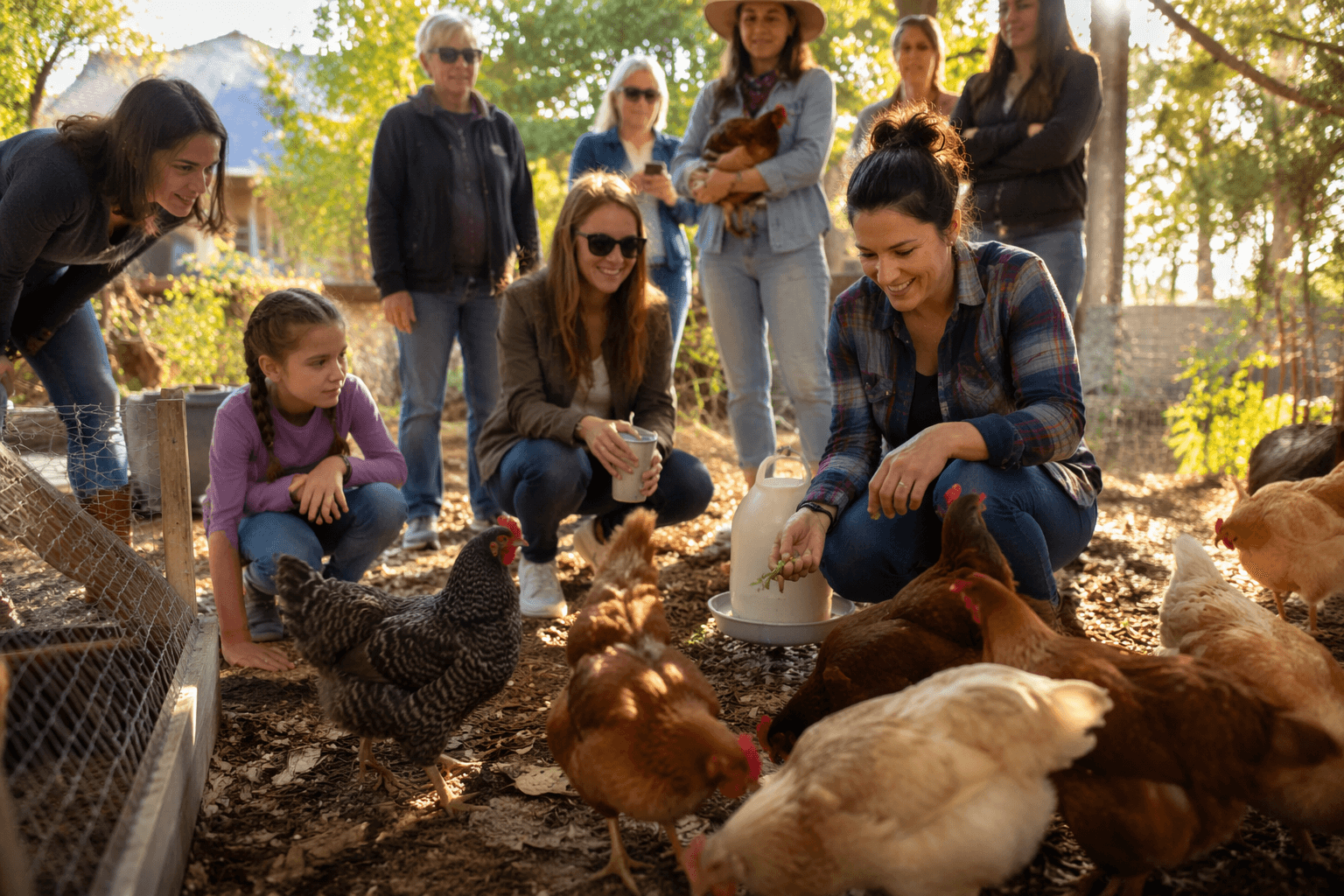
A 2024 Psychology Today summary of research estimated 85 million backyard or household chickens in the U.S., enough to make them the country’s third most common pet. The cute part is easy; the hard part is the yard, the rules and the daily work that come with keeping birds healthy and neighbors calm.
Why the flock boom stuck
The American Pet Products Association’s 2025 data put pet chickens in about 11 million U.S. households in 2025, up from 5.8 million in 2018. APPA’s 2025 pet-industry report put U.S. pet ownership at 94 million households in 2024 and backyard chicken ownership up 28%.
Egg prices helped kick open the door, but they did not explain the whole story. The U.S. national average retail price of eggs hit $5.90 per dozen in February 2025 and then a record $6.23 in March 2025, a spike the Congressional Research Service tied to highly pathogenic avian influenza in domestic poultry flocks. Even after supermarket prices eased, many households kept thinking about hens because they wanted eggs, yes, but also a routine, a little entertainment and the self-sufficiency that comes with collecting from their own coop.
Check the rules before you buy birds
Chicken rules vary widely by city and zoning code, and many municipalities use a mix of zoning limits, permits, rooster restrictions, flock caps and setback requirements. HOA rules can add another layer, especially in suburban neighborhoods where the city may allow hens but the homeowners’ association does not.
If you are looking at a property, the practical order is simple: read the zoning language, check the HOA if there is one, and confirm the lot can actually support chickens before you spend a dollar on birds. Roosters are often the first problem because they are loud and commonly banned, and flock-size caps matter just as much when you are trying to avoid a nuisance complaint later. Setback rules, the minimum distance from property lines, houses or other structures, are another detail that can turn a usable yard into a nonstarter.
Start with a flock, not a single bird
Chickens are flock animals, so start with at least three. Four to six is the sweet spot for most beginners, enough birds to behave like a proper flock without turning the backyard into a full-time project.
That matters because the “one hen in the yard” fantasy does not work well in real life. A lone bird is stressed, a pair can be unstable, and a small group gives you a better shot at normal flock behavior, steadier egg production and a more resilient setup if one bird gets sick or goes broody. If your space, budget or schedule only supports two birds, the better move is usually to wait.
Build the coop for the yard you actually have
A good-looking coop is not the same thing as a good coop site. Choose a spot with partial shade, solid drainage and enough distance from the house to reduce odor and noise complaints. That one decision affects almost everything else, from how muddy the run gets after rain to whether the coop bakes in summer or turns into a smell magnet after a wet week.
Predator protection belongs in the same conversation, because chickens are too exposed to be treated like decorative lawn pets. A flock that looks calm in the morning can become an easy target if the coop or run is flimsy, poorly placed or left too open. When people regret backyard chickens, it is often because they bought the birds before they built a setup sturdy enough to keep them safe and dry.
Budget like a pet owner, not an impulse buyer
The realistic startup bill is usually $500 to $2,000 once you add up the coop, run, bedding, feeders and birds.
You are buying shelter, feed equipment, bedding, cleaning supplies and the birds themselves, then taking on a daily care routine that does not stop because groceries got cheaper again.
This article was produced by Prism’s automated news system from verified source data, official records, and press releases, then run through automated quality and moderation checks before publishing. The system is built and supervised by the people who set the standards it runs under. Read our full AI policy.
Did this article answer your question?